Best Neoprene Dumbbells for Home Use & Dumbbell Straps
Discover the best neoprene dumbbells for home use in 2026. Learn how to solve grip fatigue with dumbbell straps and compare top sets for high-rep circuits.

The 2026 Neoprene Dumbbell Market: What to Buy for Home Use
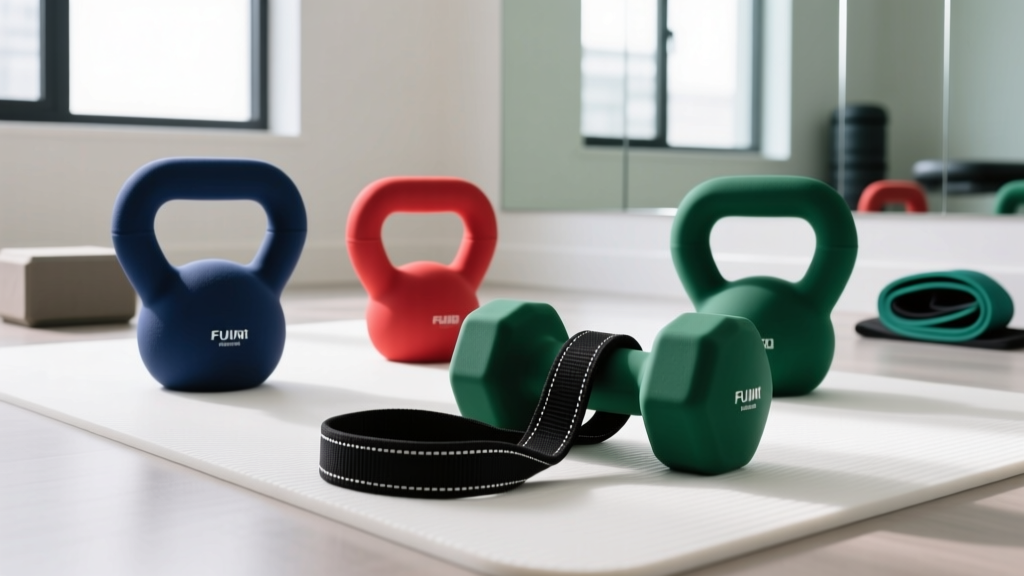
As home fitness routines in 2026 continue to prioritize high-repetition metabolic conditioning, Pilates-infused strength training, and space-efficient gear, neoprene-coated dumbbells remain the undisputed champions of the living room gym. Typically ranging from 1 lb to 15 lbs, these weights offer a floor-friendly, quiet, and ergonomic solution for endurance training. However, as workout volumes increase, a secondary bottleneck emerges: grip fatigue. This is where the conversation around dumbbell straps becomes critical for home gym enthusiasts.
Unlike the bare cast-iron or chrome hex dumbbells found in commercial gyms, premium neoprene dumbbells feature a closed-cell synthetic rubber coating. This coating provides a tactile, non-slip grip that resists sweat and moisture. But not all neoprene is created equal. When shopping for sets like the Yes4All Neoprene Hex Dumbbells or the CAP Barbell Neoprene Coated Series, you must evaluate the durometer (hardness) of the coating. Cheaper sets use a softer, highly porous neoprene that degrades within months, while premium sets use a denser, vulcanized neoprene shell that withstands years of daily use.
Pricing and Value Metrics
In the current market, expect to pay between $1.20 and $2.80 per pound for high-quality neoprene dumbbells. A standard pair of 10 lb dumbbells will generally retail between $24 and $35. While this is a higher upfront cost per pound compared to adjustable steel dumbbells, the value proposition lies in the specialized utility for high-rep, low-rest circuits where dropping the weight on hardwood floors is a constant risk.
The Grip Fatigue Bottleneck in High-Rep Circuits
When executing 50+ repetition sets—such as renegade rows, high pulls, or farmer's carries with 10-15 lb neoprene bells—the forearm flexors often reach failure long before the target muscle groups (like the latissimus dorsi or deltoids). According to the National Strength and Conditioning Association (NSCA), localized muscular endurance in the grip is a primary limiting factor in high-volume metabolic conditioning. Your target muscles are under-stimulated simply because your hands can no longer hold the weight.
'Grip endurance is frequently the weakest link in high-repetition resistance training, leading to premature termination of sets and suboptimal hypertrophic or endurance adaptations in the primary movers.' - NSCA Essentials of Strength Training and Conditioning.
This physiological reality forces home gym users to ask a critical question: Should I incorporate dumbbell straps into my light-weight, high-rep neoprene workouts?
Lifting Straps vs. Neoprene Dumbbells: Do They Mix?
When most lifters hear 'dumbbell straps,' they think of traditional cotton or nylon lasso straps used to secure the wrist to a heavy barbell for deadlifts. Using heavy-duty lifting straps on 8 lb neoprene dumbbells for lateral raises is counterproductive; the time spent wrapping and unwrapping the straps destroys the tempo and metabolic demand of a high-rep circuit.
However, there are specific scenarios where modified dumbbell straps are highly recommended for neoprene users:
- High-Volume Shrugs and Upright Rows: When performing sets of 30-50 repetitions with 15 lb neoprene dumbbells, a lightweight, 1-inch contour strap (like the Harbinger BioForm mini straps) allows you to isolate the trapezius muscles without forearm interference.
- Rehabilitation and Compromised Grip: For users managing arthritis, carpal tunnel syndrome, or tendonitis, the Mayo Clinic notes that modifying grip requirements can allow patients to maintain upper body conditioning without exacerbating joint inflammation. Silicone grip pads or quick-release wrist hooks serve as excellent 'strap' alternatives here.
- Single-Arm High Pulls: The smooth, coated handle of a neoprene dumbbell can become slippery during explosive, sweat-inducing movements. A quick-wrap figure-8 strap ensures the dumbbell doesn't fly across the room during the concentric phase.
Warning: The Neoprene Friction Factor
Never use traditional rough nylon lifting straps with neoprene dumbbells during rapid, repetitive movements. The high friction of the nylon against the synthetic rubber coating will cause micro-tears in the neoprene, eventually exposing the cast-iron core to humidity and leading to rust. If you must use wrist straps, opt for smooth leather, silicone, or specialized synthetic blends designed for coated equipment.
The Unsung Hero: Dumbbell Carrying Straps
For home gym owners, the term 'dumbbell straps' often refers to an entirely different, highly practical piece of equipment: dumbbell carrying straps (or transport caddies). Because neoprene dumbbells are usually purchased in multiple pairs (e.g., 5s, 8s, 10s, and 12s) and stored in closets or under beds, transporting them to your workout space is a logistical nightmare.
Heavy-duty nylon transport straps feature reinforced loops that allow you to securely carry two to four hex dumbbells at once. Investing $15 to $25 in a high-quality dumbbell caddy strap saves your lower back from awkward, unbalanced loads and protects your home's doorframes from being dinged by swinging iron.
Comparison Matrix: Top Neoprene Sets & Strap Compatibility
| Brand / Model | Weight Range | Price per lb (Avg) | Handle Ergonomics | Best Strap Accessory |
|---|---|---|---|---|
| Yes4All Neoprene Hex | 1 lb - 15 lb | $1.40 - $1.80 | Contoured, Chrome | Nylon Transport Caddy |
| CAP Barbell Neoprene | 2 lb - 12 lb | $1.60 - $2.10 | Straight, Painted | Silicone Grip Pads |
| SPRI Premium Neoprene | 1 lb - 10 lb | $2.20 - $2.80 | Ergonomic Curve | 1-inch Mini Lasso Straps |
| Amazon Basics Coated | 1 lb - 20 lb | $1.20 - $1.50 | Hex Straight, Chrome | Multi-Loop Carry Strap |
Neoprene Failure Modes and Maintenance Protocols
To maximize the lifespan of your neoprene dumbbells and ensure your strap accessories remain safe, you must understand how this equipment fails in a home environment.
1. UV and Ozone Degradation
Neoprene is highly susceptible to ultraviolet light and ozone exposure. Leaving your dumbbells on a sunlit patio or near an open window will cause the coating to chalk, stiffen, and eventually crack. Once the coating cracks, the underlying cast iron will oxidize rapidly. Store your weights in a cool, dark closet or use a UV-blocking storage rack cover.
2. Sweat Acidity and Adhesive Breakdown
Human sweat is mildly acidic and contains salts that can penetrate the microscopic pores of lower-grade neoprene. Over time, this acidity breaks down the chemical adhesive binding the rubber to the iron core, leading to a 'spongy' feel and eventual peeling. The American Council on Exercise (ACE) consistently emphasizes the importance of equipment sanitation not just for hygiene, but for equipment longevity. Wipe down your neoprene dumbbells after every session with a pH-neutral, non-alcohol-based cleaner. Alcohol-based sprays will dry out the synthetic rubber and accelerate cracking.
3. Internal Handle Weld Failure
In budget neoprene dumbbells, the steel handle is spot-welded to the iron heads before the neoprene is molded. If you frequently drop the dumbbells (even on carpet), the shockwave can fracture these internal welds. You will notice this failure when the handle begins to spin independently of the weight heads. At this point, the dumbbell is a safety hazard and must be retired, as the head can detach during a swinging movement.
Final Verdict: Optimizing Your Home Setup
Neoprene dumbbells are an essential, highly versatile tool for the 2026 home gym, perfectly suited for high-rep endurance work, mobility flows, and aerobic strength circuits. While traditional heavy lifting straps are generally overkill for light neoprene weights, incorporating specialized dumbbell straps—such as 1-inch contour grips for high-rep isolation or heavy-duty nylon caddies for transport—will drastically improve your workout efficiency and protect your home environment. Invest in dense, closed-cell neoprene, respect the friction limits of the coating, and your setup will endure thousands of reps to come.
More gear to consider
All reviews
Ross Dumbbells to Barbells: A Beginner's Guide to Collars and Clamps
Collar and Clamp Comparison: Safety for Dumbbell Exercises for Lats

Power Rack vs Squat Stand & Beginner Arm Workout with Dumbbells

Home Gym Setup: Plate Types & Lat Pulldown Alternative with Dumbbells
Complete Free Weight Setup: Barbell Collar Comparison & Plie Dumbbell Squat Guide
