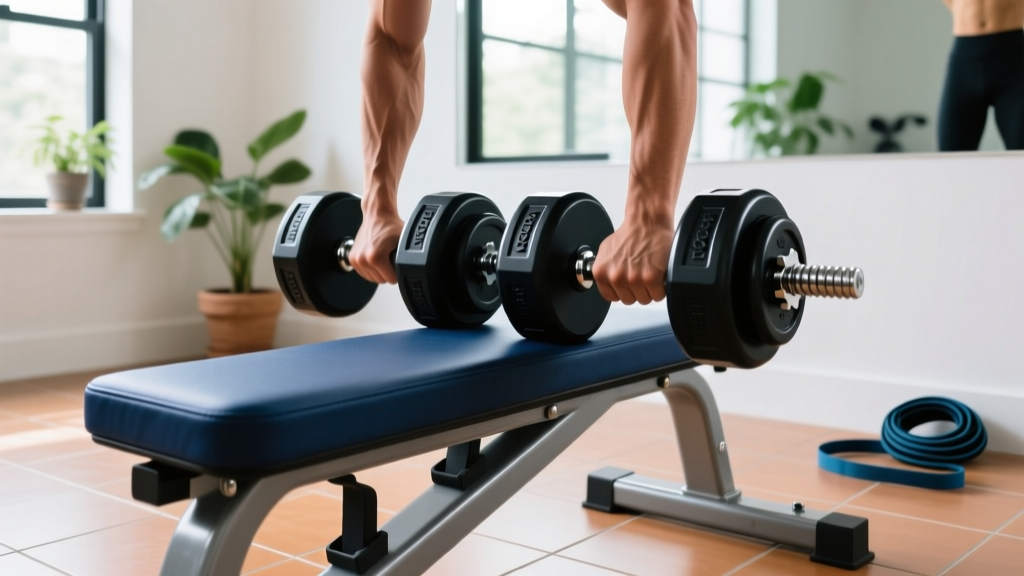
Troubleshooting Neoprene Dumbbell Bench Press Equipment Mistakes
Discover common mistakes and troubleshooting fixes for neoprene dumbbell bench press equipment in your home gym to maximize safety, grip, and muscle gains.

The Hidden Flaws of Neoprene Dumbbell Bench Press Equipment
When outfitting a home gym, neoprene coated dumbbells are often the first purchase for beginners and intermediate lifters. They are color-coded, relatively affordable (averaging $1.50 to $1.85 per pound in the 2026 market), and promise to protect hardwood floors. However, when utilized as primary dumbbell bench press equipment, these polymer-coated weights introduce unique biomechanical, maintenance, and safety challenges that generic buying guides rarely address.
Neoprene, chemically known as polychloroprene, is a synthetic rubber that behaves very differently under the stress of heavy pressing than bare cast iron, urethane, or chrome. If you have stalled on your chest gains, experienced wrist pain, or noticed your dumbbells degrading, the issue likely stems from how you are managing this specific equipment. Below is a comprehensive troubleshooting guide to the most common mistakes lifters make with neoprene dumbbells and the exact protocols to fix them.
Mistake 1: Ignoring the Grip Slip Hazard and Polymer Degradation
The most frequent troubleshooting issue with neoprene dumbbell bench press equipment is a sudden loss of grip security during heavy sets. Unlike bare iron knurling, which bites into the skin, or urethane, which maintains a dry matte finish, neoprene is highly susceptible to moisture and chemical breakdown.
Warning: The Sweat-Polymer ReactionHuman sweat contains saline, urea, and lactic acid. When trapped against a neoprene coating, these compounds slowly break down the surface tension of the rubber. Over 6 to 12 months of heavy bench pressing, the handle develops a micro-slick layer that feels almost oily, drastically increasing the risk of a dumbbell slipping during the concentric phase of the press.
Troubleshooting the Slip
Do not use bleach or harsh household degreasers. Many home gym owners mistakenly wipe down their neoprene dumbbells with bleach-based wipes. This accelerates the oxidation of the polychloroprene, causing the coating to chalk, peel, and ultimately expose the raw iron underneath to rust.
The Fix: Switch to a pH-neutral antibacterial wipe or a dedicated gym equipment cleaner (like Simple Green diluted at a 1:10 ratio). To restore grip on older neoprene handles, lightly scuff the handle surface with a 220-grit sanding sponge to remove the degraded top layer of rubber, then apply a thin coat of lifting chalk before your working sets.
Mistake 2: Range of Motion Errors Due to Bulky Hex Heads
A critical, often overlooked aspect of dumbbell bench press equipment is the physical geometry of the weight heads. Neoprene dumbbells—particularly the widely available hex-shaped models from brands like CAP Barbell and Yes4All—feature exceptionally bulky heads to prevent rolling.
When you press heavy loads (typically 35 lbs and above per hand), the thick neoprene heads collide at the bottom of the movement before your pectorals reach a full stretch. According to biomechanical analyses of the dumbbell bench press on ExRx, limiting the bottom range of motion (ROM) severely reduces muscle fiber recruitment in the sternocostal head of the pectoralis major.
Troubleshooting the Bottom-Position 'Clack'
If your dumbbells are clacking together at the bottom of the press before you feel a deep chest stretch, you are sacrificing hypertrophy for the sake of equipment limitations.
- Check Handle Length: Standard 20lb to 30lb neoprene dumbbells often have handle lengths of only 4.5 to 5.0 inches. This leaves virtually no clearance between the massive rubber heads.
- Adjust Your Grip Angle: Instead of pressing with a completely neutral grip (palms facing each other), rotate your wrists to a 45-degree semi-pronated angle. This flares the elbows slightly and changes the spatial orientation of the hex heads, preventing them from colliding.
- The Equipment Upgrade: If you consistently bench 40+ lb dumbbells, it is time to retire the fixed neoprene pairs for pressing movements. Transition to adjustable dumbbell bench press equipment with a compact footprint, such as the PowerBlock Elite or Bowflex SelectTech 1090, which offer 5.5+ inches of handle clearance and eliminate the bulky head collision entirely.
Mistake 3: The Fixed-Weight Progression Trap
Home gym owners frequently buy a single pair of 25 lb neoprene dumbbells, assuming they will suffice for months. Because the dumbbell bench press allows for independent limb stabilization, strength gains can be rapid, leading to an immediate plateau when fixed-weight equipment cannot accommodate micro-loading.
| Equipment Type | Weight Range | Approx. 2026 Cost | Rack Footprint |
|---|---|---|---|
| Fixed Neoprene Pairs (15-50 lbs) | 8 pairs (130 lbs total) | $210 - $250 | Requires 3-tier A-frame rack (approx. 24 sq ft) |
| Adjustable Dumbbells (e.g., Nuobell 80) | 5 to 80 lbs per hand | $650 - $750 (pair) | Single tray (approx. 3 sq ft) |
| Loadable Dumbbell Handles | 10 to 100+ lbs per hand | $120 (handles) + plate costs | Requires standard plate tree storage |
Troubleshooting the Plateau: If you are maxing out your heaviest neoprene pair, do not simply increase reps into the 20+ range if your goal is hypertrophy. The National Strength and Conditioning Association (NSCA) emphasizes that mechanical tension is a primary driver of muscle growth. Invest in loadable dumbbell handles (like the Rogue Loadable Dumbbell Handles) which allow you to use your existing Olympic or standard plates, providing infinite progression without the spatial footprint of a massive neoprene rack.
Mistake 4: Assuming Neoprene is 'Drop-Safe'
There is a dangerous misconception in home gyms that because a dumbbell is coated in rubber or neoprene, it can be dropped at the end of a grueling set of bench presses. This is a catastrophic mistake that destroys both the equipment and your flooring.
Neoprene is merely a 3-to-5-millimeter cosmetic and protective skin poured over a cast iron or steel core. Unlike virgin rubber bumper plates designed to absorb kinetic energy, neoprene lacks the tensile elasticity to survive a 4-foot drop onto concrete or plywood. The impact will instantly split the coating, shatter the hex head, and compromise the weld where the handle meets the weight.
The Fix: Always control the eccentric (lowering) phase of your dumbbell bench press and gently guide the weights back to your thighs or the floor. If you are training to failure and need to dump the weights, drop them strictly to the sides (away from your body) onto a dedicated 3/4-inch thick horse-stall mat, never onto bare floors or standard puzzle mats.
Step-by-Step Neoprene Maintenance Protocol
To ensure your dumbbell bench press equipment lasts for years without the coating peeling or the iron rusting, implement this strict maintenance routine:
- Immediate Post-Workout Wipe: Use a microfiber cloth dampened with water and a drop of mild dish soap to remove sweat and skin oils from the handles immediately after your bench session.
- UV Protection: Polychloroprene degrades rapidly under ultraviolet light. Never store your neoprene dumbbell rack in direct sunlight or next to a south-facing window. UV exposure will cause the coating to become brittle and flake off within 18 months.
- Quarterly Deep Clean: Every three months, inspect the seam where the handle meets the hex head. Use a soft-bristled toothbrush to clear out chalk and dead skin that accumulates in the crevice, which can trap moisture and initiate internal rusting.
- Temperature Control: Avoid storing your equipment in uninsulated garages where temperature swings cause the iron core to expand and contract at a different rate than the neoprene shell, leading to delamination.
Final Verdict on Neoprene for the Bench Press
Neoprene coated dumbbells are excellent, budget-friendly tools for light to moderate home gym use, isolation movements, and beginner pressing. However, as your strength advances, treating them as permanent, heavy-duty dumbbell bench press equipment will inevitably lead to grip failures, ROM limitations, and equipment degradation. By understanding the chemical and physical limitations of polychloroprene, applying proper cleaning protocols, and knowing exactly when to upgrade to adjustable or loadable alternatives, you can maintain a safe, highly effective home pressing setup for years to come. For further reading on safe home gym setups and exercise mechanics, consult the ACE Exercise Library to ensure your form matches your equipment capabilities.
More gear to consider
All reviews
Best Neoprene Sets to Curl 50 lb Dumbbells at Home (2026 Guide)
Olympic vs Standard Plates: Which is Best for the Dumbbell Tate Press?

Power Rack, Squat Rack or Stand for Back Lifts With Dumbbells
Power Rack vs Squat Rack vs Squat Stand: Incline Dumbbell Raises

EZ vs Straight Bar: Compact Layouts & Weighted Dips Dumbbell
