
Maintaining Tone Arms Dumbbells: Rubber Hex vs Urethane
Discover how to maintain lightweight tone arms dumbbells. We compare rubber hex vs urethane coatings, cleaning protocols, and longevity tips.

The High-Rep Reality: Why Lightweight Dumbbells Degrade Faster
When curating a home gym, many buyers specifically search for the best tone arms dumbbells, typically targeting lightweight sets (3–15 lbs) for high-repetition isolation work like lateral raises, tricep kickbacks, and bicep curls. While heavy powerlifters might drop a 100 lb barbell onto crash mats, lightweight dumbbells endure a completely different, often more destructive, type of abuse. They are repeatedly tossed into wire storage baskets, coated in acidic sweat during high-volume circuit training, and frequently dropped onto hardwood floors or tiles.
If you are deciding between a rubber hex dumbbell and a urethane dumbbell for your high-rep arm routines, understanding how these materials age is critical. The coating on your dumbbells dictates not only the aesthetics and odor of your gym but the actual lifespan of the equipment. Below, we break down the material science, failure modes, and exact maintenance protocols required to maximize the longevity of your lightweight dumbbell arsenal.
Material Matrix: Rubber Hex vs. Urethane Coatings
Before diving into maintenance, it is essential to understand what you are actually cleaning and storing. Rubber and urethane (polyurethane) are fundamentally different polymers with distinct reactions to environmental stressors.
| Feature | Virgin Rubber Hex (e.g., CAP Barbell) | Polyurethane / Urethane (e.g., Rogue) |
|---|---|---|
| Material Base | Vulcanized natural/synthetic rubber blend | Injected thermoset polyurethane |
| Sweat & Acid Resistance | Moderate (prone to drying/cracking) | Exceptional (highly resistant to urea/salt) |
| UV / Sunlight Resistance | Poor (degrades and chalks in sunlight) | Excellent (UV-stable topcoats available) |
| Edge Drop Tolerance | Moderate (hex corners can chip over time) | High (flexes and rebounds without chipping) |
| Off-Gassing / Odor | High initially, fades over 3-6 months | Negligible to zero |
| Avg. Cost Per Pound | $1.50 - $2.20 / lb | $3.50 - $5.50 / lb |
Failure Modes: How Each Coating Actually Breaks Down
To maintain your gear, you must know how it fails. According to the Rep Fitness Dumbbell Buying Guide, the manufacturing process heavily influences how the coating bonds to the cast iron or steel core.
Rubber Hex Failure: Dry Rot and Edge Chipping
Rubber hex dumbbells are manufactured by placing a steel core into a mold and injecting liquid rubber, which is then vulcanized (cured with heat and sulfur). Over time, exposure to the lactic acid, urea, and salt found in human sweat breaks down the sulfur bonds in the rubber. This leads to dry rot, where the rubber becomes brittle, chalky, and eventually flakes off. Furthermore, the sharp 90-degree angles of the hex design create structural weak points; dropping a 10 lb rubber hex dumbbell on a hard surface repeatedly will cause the corners to micro-fracture and chip.
Urethane Failure: Topcoat Delamination
Urethane dumbbells, like the Rogue Urethane Dumbbells, are created via injection molding with a highly durable thermoset polyurethane. Urethane is virtually impervious to sweat and UV light. However, its primary failure mode is delamination. If the steel core is not properly sandblasted and primed before the urethane is injected, moisture can seep into the handle housing, rust the core, and cause the urethane shell to bubble and separate from the metal. While rare in premium brands, budget urethane sets often suffer from this core-bond failure within 18 months.
Expert Warning: Never use alcohol-based sanitizing wipes (like standard Lysol or Clorox hand wipes) on rubber or urethane dumbbells. Isopropyl alcohol acts as a solvent that strips the protective plasticizers from rubber, accelerating dry rot and causing urethane topcoats to yellow and crack prematurely.
The Chemistry of Sweat: Why Your Cleaning Routine Matters
When performing high-rep arm toning routines, your hands sweat profusely, transferring a corrosive mixture of water, sodium chloride (salt), urea, and lactic acid directly onto the dumbbell handles and coating edges. If left unwiped, the salt crystallizes and acts as an abrasive, while the acids eat into the polymer chains.
Many home gym owners mistakenly use bleach or ammonia-based household cleaners to disinfect their gear. The CDC guidelines on surface cleaning note that harsh chemical disinfectants can degrade porous and semi-porous surfaces over time. Bleach will instantly discolor rubber and weaken its structural integrity.
The Safe Cleaning Protocol
- Daily Wipe Down: Use a microfiber cloth dampened with a 50/50 mix of distilled water and white vinegar, or a dedicated gym wipe like GymWipes Antibacterial (which are formulated without harsh solvents).
- Monthly Deep Clean: Mix 1 teaspoon of mild dish soap (like Dawn) into a spray bottle of warm water. Mist the dumbbell heads (avoiding the knurled steel handles) and scrub gently with a soft-bristle nylon brush to remove embedded dead skin and salt crystals from the hex crevices.
- Handle Care: Wipe the bare steel or chrome knurled handles with a light coat of 3-in-One oil or mineral oil to prevent oxidation and rust, which can spread under the rubber/urethane collar.
Storage Solutions to Prevent Micro-Tears and Warping
How you store your lightweight tone arms dumbbells dictates their physical lifespan just as much as how you clean them.
The Wire Basket Problem
Tossing 5 lb, 8 lb, and 10 lb dumbbells into a vertical wire mesh basket is the fastest way to destroy rubber hex edges. The metal wire acts like a cheese grater against the rubber corners every time you drop a weight in or pull one out. Over a year, this causes severe cosmetic and structural chipping.
The Ideal Storage Setup
- Horizontal Tiered Racks: For hex dumbbells, a 3-tier horizontal A-frame or straight rack is mandatory. This allows you to place the dumbbell down gently without scraping the edges against metal lips.
- Vertical Dumbbell Posts: If you opt for round urethane dumbbells, vertical storage posts (like the Rogue Vertical Dumbbell Rack) are excellent. Urethane's high impact resistance means it won't chip when sliding onto a steel post, and it saves massive amounts of floor space.
- Climate Control: Store your rack in a climate-controlled room. Garages that experience freezing winters and humid summers will cause the steel cores to expand and contract, breaking the bond between the metal and the rubber/urethane coating.
Cost vs. Longevity: The 5-Year Replacement Cycle
Let's look at the financial reality of maintaining a 5-15 lb dumbbell set over a 5-year period of daily, high-repetition use.
Data Highlight: 5-Year Cost of Ownership (Pair of 10 lb Dumbbells)Rubber Hex: Initial cost ~$35. Requires replacement at year 3 due to edge chipping and dry rot from sweat. 5-Year Cost: $70.
Urethane: Initial cost ~$95. Survives the 5-year mark with zero structural degradation, requiring only basic cleaning. 5-Year Cost: $95.
Verdict: While urethane costs nearly 3x more upfront, its lifespan in high-sweat, high-drop environments makes it the superior long-term investment for dedicated home gyms.
Frequently Asked Questions
Can I use WD-40 to clean my rubber hex dumbbells?
No. WD-40 is a petroleum-based solvent. Petroleum distillates will dissolve the binding agents in vulcanized rubber, causing the dumbbell heads to become permanently sticky, melt, and eventually slide off the steel core.
Why do my urethane dumbbells feel sticky after a year?
If your urethane dumbbells feel tacky, it is likely due to the accumulation of body oils, lotions, and sweat reacting with dust. Clean them thoroughly with a mild degreasing dish soap and warm water. If the stickiness persists, the urethane may have been exposed to extreme heat or direct UV sunlight, causing a chemical breakdown known as hydrolysis.
Are neoprene dumbbells better than rubber for arm toning?
Neoprene is essentially a synthetic rubber coated in a fabric-like finish. While comfortable to grip for high-rep arm toning, neoprene is highly porous. It absorbs sweat and bacteria, making it nearly impossible to fully sanitize over time. Urethane remains the gold standard for hygiene and longevity.
More gear to consider
All reviews
Beyond Reverse Dumbbell Rows: Barbell Weight & Knurling

Cast Iron vs Competition Kettlebells & Pulldown With Dumbbells Guide

Loadable Dumbbell Maintenance for a Flawless One Armed Dumbbell Row
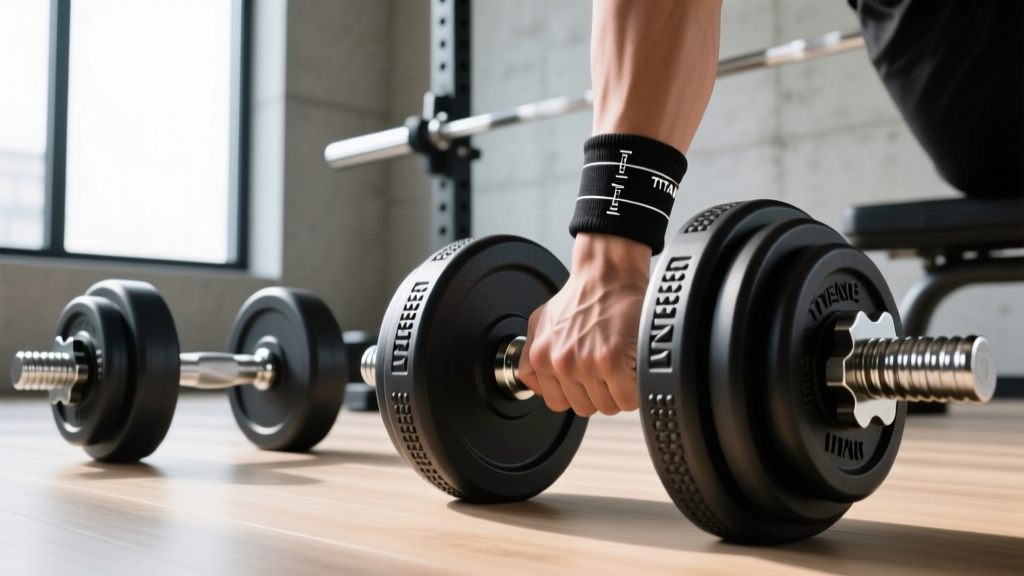
Titan Dumbbells Hands-On: Best Loadable Plate Picks 2026

Best Adjustable Dumbbells for Beginner Friendly Dumbbell Exercises
