Loadable Goblet Squat Dumbbells: 2026 Value Breakdown
Discover if loadable dumbbell handles are worth the investment for goblet squats. We break down 2026 costs, handle geometry, and plate clearance.

The Economics of Home Gym Strength: Fixed vs. Loadable
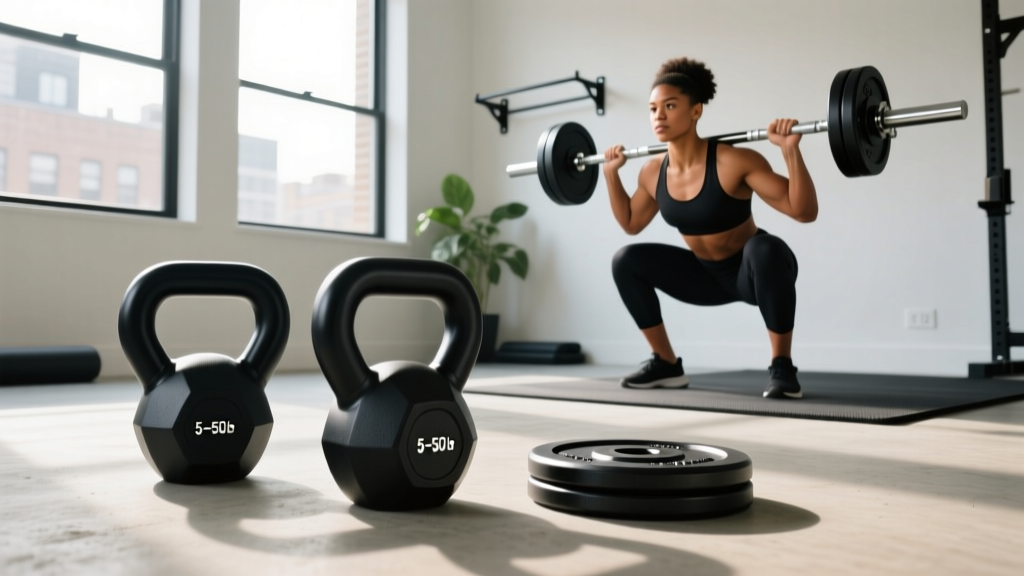
Building a comprehensive free weight setup in 2026 requires navigating a minefield of inflated equipment costs. When lifters search online for the best gear for goblet squats dumbbells usually dominate the results, primarily in the form of fixed hex or urethane sets. While fixed dumbbells offer undeniable convenience, their cost-to-utility ratio is notoriously poor for budget-conscious athletes. A high-quality urethane set ranging from 5 to 50 pounds can easily cost between $2,000 and $3,000, translating to roughly $2.50 to $3.50 per pound.
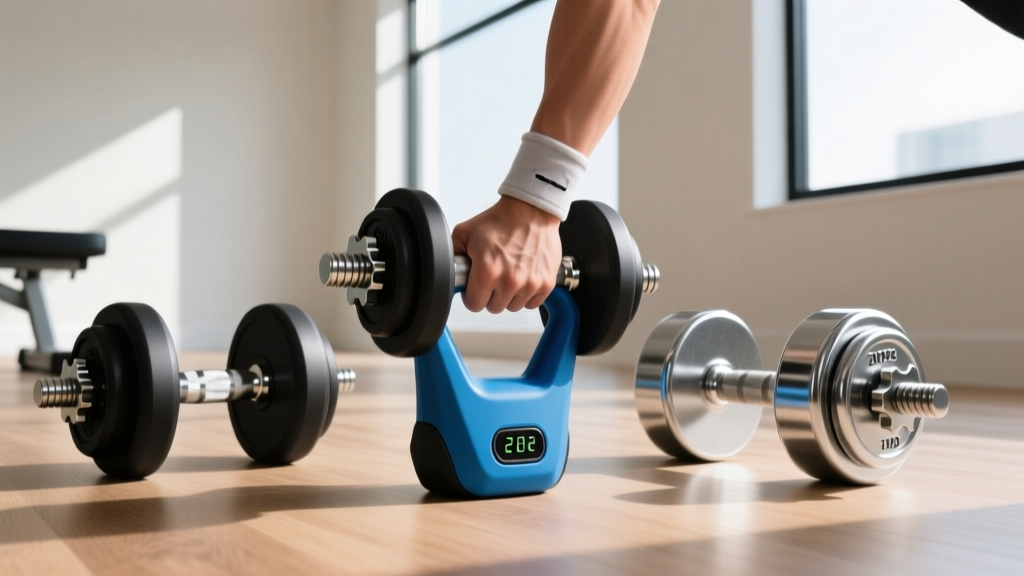
Enter the loadable dumbbell handle. By utilizing a pair of heavy-duty handles that accept standard 2-inch Olympic plates, you can transform your existing barbell plate collection into a fully adjustable dumbbell set. But does this budget hack hold up under the specific biomechanical demands of the goblet squat? This value analysis breaks down the true costs, ergonomic pitfalls, and structural requirements of using loadable dumbbells for lower-body training.
Cost Breakdown: The True Price Per Pound
To understand the value proposition, we must compare the upfront and long-term costs of fixed dumbbells versus loadable handles paired with iron plates. The table below illustrates the financial reality for a lifter needing a maximum working weight of 50 pounds per hand.
| Equipment Type | Upfront Cost (Pair) | Required Plate Investment | Total Cost (to 50lbs/hand) | Cost Per Pound |
|---|---|---|---|---|
| Fixed Urethane Dumbbells (10 pairs, 5-50lbs) | $2,400.00 | $0 | $2,400.00 | $2.18 / lb |
| Adjustable Dial Dumbbells (e.g., Nuobell 80) | $649.00 | $0 | $649.00 | $4.05 / lb (max capacity) |
| Olympic Loadable Handles + Cast Iron Plates | $140.00 | $160.00 (100lb iron set) | $300.00 | $1.36 / lb |
The Information Gain: While the loadable setup is exponentially cheaper, the hidden cost lies in plate granularity. To smoothly progress your goblet squat in 2.5-pound increments, you cannot rely solely on 45-pound bumpers. You must purchase fractional plates, 2.5s, 5s, and 10s, which often carry a premium price per pound compared to bulk 45s.
The Biomechanical Dilemma: Plate Clearance and Grip Geometry
Most gear reviewers ignore a critical failure mode when recommending loadable handles for goblet squats: plate clearance. The goblet squat requires you to hold the dumbbell vertically against your sternum, with your elbows tucked and your hands cupping the top head of the dumbbell.
⚠️ Warning: The Bumper Plate Interference
If you load your Olympic handle with standard 45-pound bumper plates (which have a universal diameter of 17.7 inches), the sheer width of the plates will physically block your wrists and forearms from tucking into the proper goblet position. Furthermore, as you descend into the hole (the bottom of the squat), the massive outer diameter of the plates will collide with your thighs or knees, artificially limiting your depth and ruining the biomechanical benefits of the exercise.
The Solution: Strategic Plate Sequencing
To use loadable dumbbells for goblet squats effectively, you must build a "compact profile." According to equipment testing by BarBend, the optimal loadable setup relies on smaller-diameter steel plates. By utilizing 10-pound and 25-pound cast iron plates (which have significantly smaller diameters than bumpers) on the outer edges of the sleeve, you maintain a narrow profile that mimics the ergonomics of a fixed hex dumbbell.
2026 Handle Showdown: Which Brand Offers the Best Value?
Not all loadable handles are created equal. Standard 1-inch handles with threaded spin-lock collars are fundamentally unsafe for heavy goblet squats due to the risk of the collar loosening under vertical torque. You must invest in 2-inch Olympic handles with smooth sleeves and secure clamp collars. Here is how the top three contenders stack up in 2026:
- Titan Fitness Loadable Dumbbell Handles (Olympic): Priced around $129.99 per pair. These feature a 33mm grip diameter and an 8-inch loadable sleeve. The longer sleeve allows for heavier loading (up to 120+ lbs per hand), making them the undisputed budget king for progressive overload.
- Bells of Steel Loadable Dumbbell Handles: Retailing for roughly $119.99. They offer a slightly more aggressive knurl pattern, which is highly beneficial for high-rep goblet squats where sweat compromises grip. The sleeve is slightly shorter at 6.3 inches, which actually improves the balance and center of gravity for squatting.
- Rogue Loadable Dumbbell Handles: At $195.00 per pair, these are the premium option. As noted on the Rogue Fitness product page, they feature a 35mm grip and are machined from high-grade steel. While the build quality is exceptional, the 50% price premium over Titan makes them harder to justify strictly from a budget-breakdown perspective.
The Hidden Expense: Collars and Maintenance
When budgeting for loadable dumbbells, you must factor in the cost of collars. Standard spring collars ($15/pair) are insufficient for the dynamic movement of a goblet squat; the plates can shift, altering the center of mass mid-rep.
Recommended Investment: Purchase a pair of lightweight aluminum clamp collars (such as the Titan Lock Collars or Rogue HG Collars, typically $25 to $35 per pair). These lock the plates flush against the sleeve, eliminating rattle and ensuring the weight distribution remains perfectly symmetrical—a crucial factor when balancing a heavy load at your chest.
Step-by-Step: Optimizing Your Loadable Setup for Squats
- Calculate Your Working Weight: Determine your target goblet squat weight (e.g., 50 lbs). Remember that an Olympic handle weighs between 12 and 15 pounds. You only need to load 35 to 38 pounds of plates per side.
- Select Compact Plates: Avoid 45lb bumpers. Use a combination of 25lb and 10lb cast iron or urethane-coated grip plates. Grip plates (with the cut-out holes) are highly recommended as they make loading and unloading the sleeves much faster between sets.
- Sequence for Balance: Load the heaviest plates closest to the handle shaft, and the lightest plates (like 2.5s or 5s) on the outside. This keeps the center of mass tight to your hands.
- Secure with Clamps: Slide your aluminum clamp collars on and tighten them flush against the outermost plate. Give the dumbbell a firm shake to test for sleeve play before lifting.
Final Verdict: Is the Value Proposition Worth It?
If your primary goal is to build a highly versatile, budget-friendly home gym, loadable Olympic dumbbell handles are an exceptional investment. They cost roughly 85% less than a full rack of fixed urethane dumbbells and offer unlimited scalability. However, they require a strategic approach to plate purchasing—specifically avoiding large-diameter bumpers in favor of compact iron or grip plates—to ensure they remain ergonomic for goblet squats.
The Bottom Line: For the price of a single pair of 50-pound fixed dumbbells ($250), you can purchase a pair of Titan Olympic handles, a set of compact iron plates, and heavy-duty clamp collars, giving you a fully adjustable setup that can grow with your strength for years to come.
By understanding the hidden geometry requirements of the goblet squat and budgeting for the correct plate diameters, loadable dumbbells transition from a clumsy budget hack to a premier strength-training tool in 2026.
More gear to consider
All reviews
EZ vs Straight Bar: Space Layouts & Good Lat Exercises With Dumbbells
EZ Curl Bar vs Straight Bar & The Single Arm Dumbbell Roll Trend

Optimizing Gym Layout: Rubber Hex vs Urethane 45 lb Dumbbell

Bumper vs Iron Plate Maintenance for a Full-Body Dumbbell Workout

Bumper vs Iron Plates: Gym Layouts & Supination with a Dumbbell