
Kettlebell Maintenance & Dumbbell Squats Form: Gear Longevity
Discover how cast iron vs competition kettlebell care and mastering dumbbell squats form can extend the lifespan of your free weights and home gym gear.

The Economics of Free Weight Preservation
Building a commercial-grade home gym is a serious financial commitment. In 2026, with premium urethane dumbbells averaging $3.50 to $4.00 per pound and competition-grade steel kettlebells exceeding $160 per bell, equipment preservation is no longer optional—it is a financial necessity. Many lifters assume that cast iron and steel are indestructible, but environmental factors, corrosive sweat, and poor biomechanical habits can degrade a $2,000 free weight collection in under three years.
This guide bridges the gap between equipment maintenance and exercise execution. We will break down the critical longevity differences between cast iron and competition kettlebells, and then explore a surprising factor in gear degradation: how your dumbbell squats form directly impacts the structural integrity of your dumbbell heads and flooring.
Cast Iron vs. Competition Kettlebells: A Maintenance Breakdown
When navigating a kettlebell buying guide, the choice between traditional cast iron and competition steel bells is usually framed around aesthetics or sport-specific needs. However, from a maintenance and longevity perspective, these two tools require vastly different care protocols.
Quick Specs: Material Vulnerability- Cast Iron (e.g., Rogue, Rep Fitness): Highly porous, prone to surface oxidation (rust) when ambient humidity exceeds 60%. Powder coating delays but does not prevent rust.
- Competition Steel (e.g., Kettlebell Kings, Eleiko): Non-porous steel shell, uniform dimensions. Vulnerable to paint chipping on the horns and internal moisture traps.
The Hidden Failure Mode: Internal Oxidation
According to training standards outlined by StrongFirst, competition kettlebells are prized for their uniform size regardless of weight. This is achieved by creating a hollow steel shell and filling it with a dense composite or steel shot. The access hole is then sealed with a plastic or rubber plug on the base.
Here is the critical failure mode most buyers miss: if that base plug seal degrades, sweat and garage moisture seep into the hollow core. Because the interior is untreated steel, it oxidizes. Iron oxide takes up more physical volume than raw steel. Over 18 to 24 months, this internal rust expansion creates immense outward pressure, literally cracking the bell from the inside out. A $160 competition bell becomes a total loss.
The Longevity Fix: Upon purchasing new competition bells, apply a thin bead of clear marine epoxy or high-grade clear nail polish around the perimeter of the base plug. This creates an impermeable moisture barrier that costs less than $5 and saves hundreds of dollars in replacement costs.
Cast Iron Care: Managing the Powder Coat Lifecycle
Cast iron bells rely on powder coating or e-coating to prevent rust. However, the aggressive knurling on the horns and the constant friction of cleans and snatches will wear this coating down to bare iron within 12 to 18 months of heavy use. Once bare iron is exposed, it will flash-rust within 48 hours in a humid garage.
To maintain cast iron, you must implement a monthly oiling protocol. Using a nylon-bristle brush, scrub away embedded magnesium carbonate (chalk) and dead skin from the handle. Apply a light coat of 3-in-One oil or mineral oil, let it sit for ten minutes, and buff it dry with a microfiber cloth. Never use WD-40, as it leaves a residue that compromises grip and degrades rubber flooring.
Biomechanics and Gear Degradation: The Squat Connection
It might seem counterintuitive to link exercise technique with equipment lifespan, but evaluating your dumbbell squats form is critical for preserving your hex and urethane dumbbells. According to the biomechanical data referenced on EXRX, the dumbbell squat requires significant stabilization, and fatigue often leads to compromised mechanics at the end of a set.
How Poor Form Destroys Dumbbell Heads
When lifters reach muscular failure during dumbbell squats, the most common breakdown in form is the uncontrolled eccentric descent and the subsequent 'drop' or 'dump' of the weights at the bottom position or upon standing. This specific biomechanical failure is the leading cause of dumbbell head separation and casing degradation.
| Dumbbell Material | Cost per lb (2026) | Failure Mode from Poor Squat Form | Expected Lifespan (Heavy Use) |
|---|---|---|---|
| Recycled Rubber Hex | $1.20 - $1.80 | Bevel edges split; steel core punches through casing upon impact. | 1 - 2 Years |
| Virgin Rubber Hex | $2.00 - $2.80 | Casing tears away from the steel collar; excessive bounce causes secondary drops. | 3 - 5 Years |
| Urethane (Premium) | $3.50 - $4.50 | Micro-fissures in the urethane; eventual handle loosening from shockwave vibration. | 7 - 10+ Years |
Proper dumbbell squats form dictates a controlled, deliberate eccentric phase and a 'soft landing' where the weights are guided to the floor or rack, rather than released from a semi-squat height. When you drop a 75-pound rubber hex dumbbell from knee height, the kinetic energy transfers directly into the beveled edges of the hex head. Over hundreds of reps, this causes the rubber to dry-rot and split, eventually exposing the raw steel core which will then scratch your flooring and rust.
Furthermore, the shockwave from dropping heavy dumbbells travels up the steel handle, slowly loosening the friction weld or bolt that secures the head to the handle. By mastering a controlled squat descent and deliberate placement, you eliminate the primary mechanical stressor that destroys free weights.
Your Weekly and Monthly Maintenance Protocol
To maximize the ROI of your Rogue or equivalent free weight gear, implement this non-negotiable maintenance schedule:
- Weekly Chalk Purge: Magnesium carbonate absorbs atmospheric moisture and sweat, creating a highly corrosive paste that eats through zinc and chrome plating. Use a stiff nylon brush to clean dumbbell knurling and kettlebell horns every Sunday.
- Monthly Rust Inspection: Inspect the weld seams on dumbbell handles and the base plugs of competition kettlebells. If you spot surface oxidation on cast iron, use a brass wire brush (never steel, which will embed particles and cause worse rust) to remove it, followed by a light oil application.
- Bi-Annual Urethane Conditioning: If your home gym is in a garage or near windows, UV exposure will cause urethane and rubber to dry out and crack. Wipe down dumbbell heads and kettlebell casings with a water-based UV protectant (like 303 Aerospace Protectant) every six months to maintain material elasticity.
- Annual Hardware Torque Check: For adjustable dumbbells and bolted hex bells, use a torque wrench to ensure the end-caps and collars remain seated to the manufacturer's specifications. Vibration from heavy squats and lunges will slowly back out retaining bolts over time.
Frequently Asked Questions
Can I use silicone spray to protect my dumbbell handles from rust?
No. Silicone spray leaves a slippery residue that compromises your grip, creating a severe safety hazard during heavy lifts. Always use a light mineral oil or dedicated barbell oil, and buff it completely dry with a microfiber towel before your next session.
Does the floor I drop my weights on affect the dumbbell heads?
Absolutely. Even with proper form, accidental drops happen. Dropping rubber or urethane dumbbells onto bare concrete or thin EVA foam mats causes the steel core to rebound violently inside the casing, tearing the internal bond. Always use 3/4-inch thick vulcanized rubber horse stall mats or dedicated high-density dropping pads to absorb the kinetic energy.
Why do my competition kettlebells squeak during swings?
A squeaking competition bell usually indicates that the internal steel shot or composite filler has shifted, or that moisture has compromised the internal seal. If the base plug is intact, the squeak is generally harmless but annoying. If you notice rust around the plug, the internal cavity is compromised, and the bell should be retired to prevent catastrophic cracking during ballistic movements.
More gear to consider
All reviews
Standard vs Olympic Plates: Do Cemco Dumbbells Make the Cut?

Squat Stand vs Power Rack: Space for Good Ab Workouts with Dumbbells
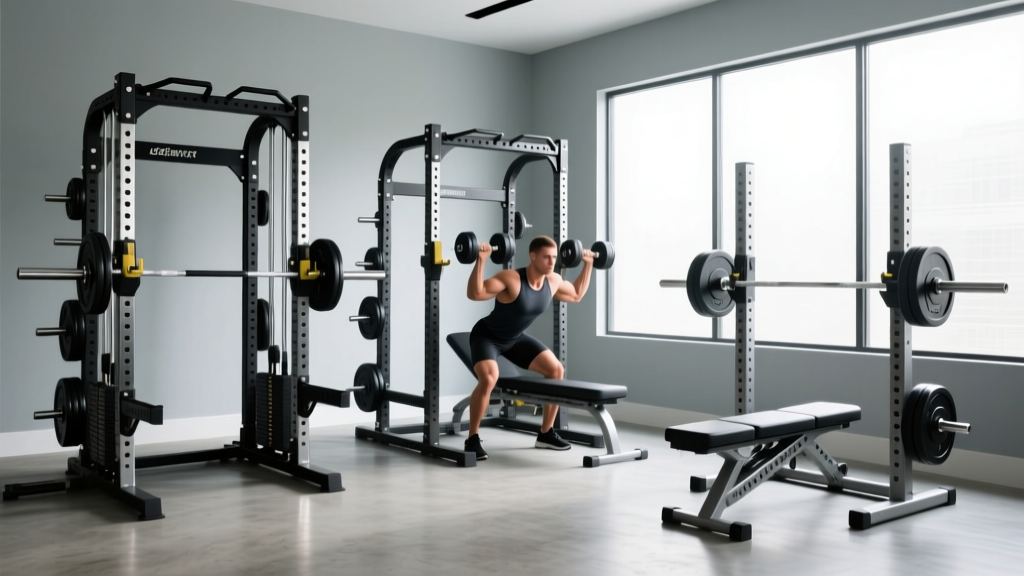
Power Rack vs Squat Rack vs Squat Stand: Incline Dumbbell Raises

Best Adjustable Dumbbells for the 1 Arm Dumbbell Snatch (2026)

Olympic vs Standard Plates: Finding the Ideal Dumbbell Weight Setup
