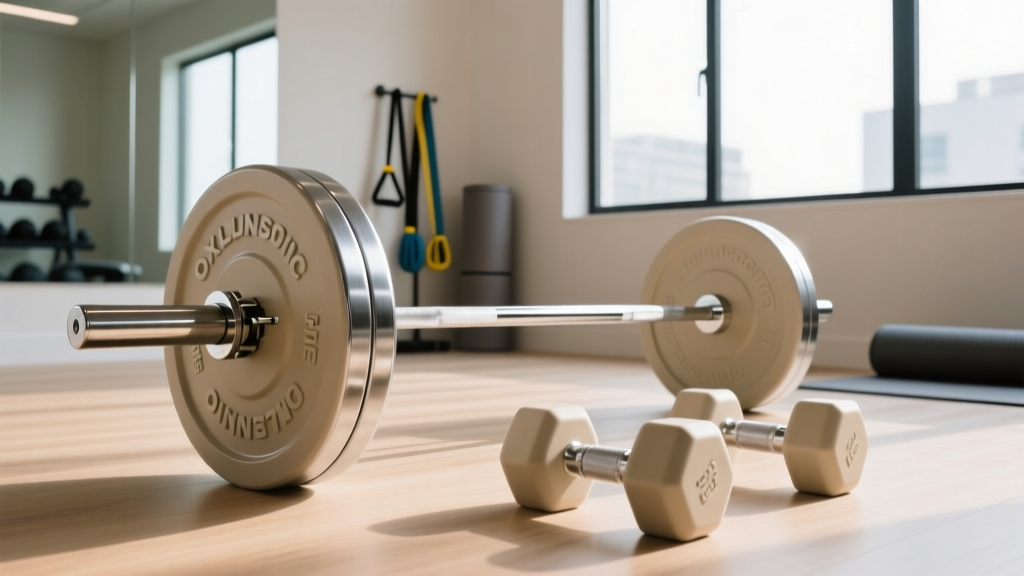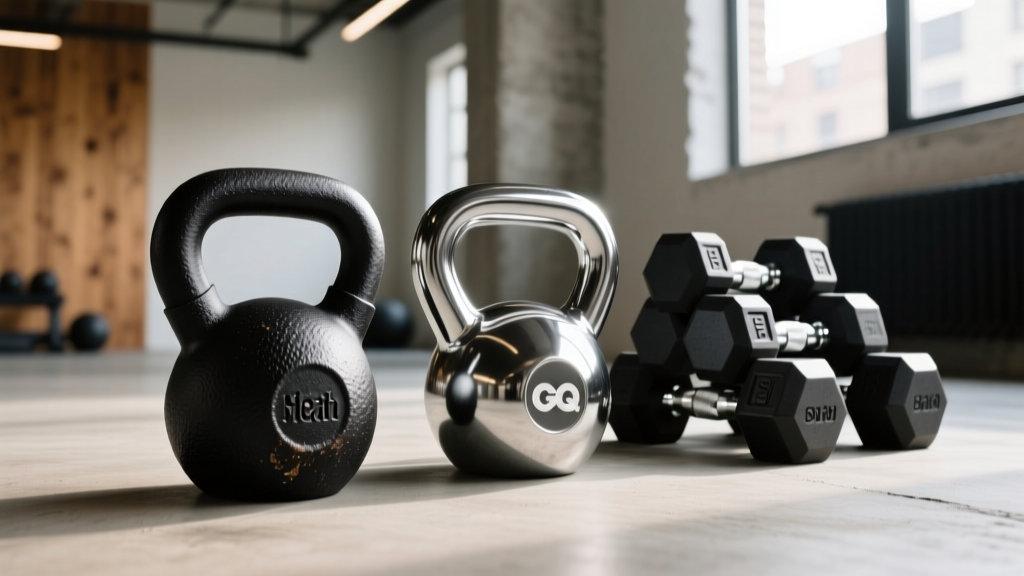
Kettlebell Care: Cast Iron vs Competition & Chest with Dumbbells Gear
Master kettlebell maintenance for cast iron vs competition models, plus longevity tips for the dumbbells you need to build a chest with dumbbells.

The Metallurgy of Longevity: Cast Iron vs. Competition Kettlebells
Outfitting a home gym or commercial facility with free weights is a significant capital investment. In 2026, the price of raw iron and steel continues to dictate premium pricing, meaning replacing a rusted or damaged bell is a costly endeavor. When selecting and maintaining kettlebells, understanding the metallurgical differences between traditional cast iron and steel-shelled competition models is the first step toward ensuring a lifetime of use. Furthermore, a balanced free-weight arsenal requires pressing tools; maintaining the dumbbells you use for upper body work is just as critical as caring for your ballistic implements.
Cast Iron Kettlebells: Rust Prevention and Coating Care
Cast iron kettlebells, such as the Rogue Cast Iron Kettlebell line, are the workhorses of the fitness industry. Priced between $1.20 and $2.00 per pound, they feature a thicker, variable-dimension profile and a robust 35mm handle. Most modern cast iron bells are finished with a powder coat (typically 2 to 3 mils thick) to resist oxidation and provide a tactile grip for chalk.
Maintenance Protocol:
- Chalk Removal: Magnesium carbonate traps moisture against the iron. After every session, use a stiff nylon bristle brush to clear chalk from the knurling and horns. Never use steel wire brushes on powder-coated handles, as they will micro-scratch the finish and expose the raw iron beneath.
- Rust Remediation: If you notice orange blooms on the horns (a common failure mode from dropping the bell and chipping the powder coat), lightly sand the area with 400-grit sandpaper. Follow up by applying a thin layer of 3-IN-ONE Multi-Purpose Oil or food-grade mineral oil. Let it penetrate for 10 minutes, then buff it completely dry with a microfiber cloth.
- Avoid WD-40: Standard WD-40 leaves a gummy, petroleum-based residue that attracts dead skin and dirt, eventually creating a slick, unsanitary surface.
Competition Kettlebells: Preserving the Steel Shell and Fill
Competition kettlebells, like those from Kettlebell USA or Rogue Competition, are engineered for uniformity. Regardless of whether the bell is 8kg or 32kg, the dimensions remain a strict 35cm x 28cm, featuring a 33mm handle optimized for double kettlebell work and high-repetition snatches. Priced at a premium of $3.00 to $5.50 per pound, these bells consist of a thin steel shell (usually 3mm to 5mm thick) filled with cast iron, steel shot, or lead to achieve the target weight.
Maintenance Protocol:
- Handle Oxidation: Competition handles are often bare steel or feature a very light clear coat to maximize tactile feedback. In environments with relative humidity above 60%, bare steel will flash-rust within 48 hours. Wipe the handle down with a dry towel immediately post-workout and apply a microscopically thin coat of mineral oil weekly.
- Shell Integrity: Because the outer shell is relatively thin, dropping a competition bell on bare concrete can cause the steel to dent inward. This not only destabilizes the bell during floor exercises like renegade rows but can also compromise the internal welds securing the handle. Always use 3/4-inch vulcanized rubber stall mats or dedicated drop pads.
Free Weight Maintenance Matrix
To streamline your gym upkeep, reference the following maintenance matrix tailored to current 2026 equipment standards.
| Equipment Type | Primary Material | Handle Diameter | Primary Failure Mode | Cleaning Agent |
|---|---|---|---|---|
| Cast Iron Kettlebell | Solid Iron / Powder Coat | ~35mm | Powder coat chipping leading to rust blooms | Nylon brush, Mineral Oil |
| Competition Kettlebell | Steel Shell / Iron Fill | 33mm | Base denting, handle weld micro-fractures | Dry towel, Brass brush (for rust) |
| Urethane Hex Dumbbell | Steel Core / Urethane | 30mm - 35mm | Knurling clogging, head loosening | Simple Green, Nylon brush |
Expanding the Arsenal: Maintaining Dumbbells for Pressing
While kettlebells dominate ballistic hip hinges and unilateral carries, a balanced free-weight arsenal requires dedicated pressing tools. Building a strong chest with dumbbells demands equipment that can withstand high-friction knurling contact, heavy loading, and repetitive pressing mechanics. According to the ExRx exercise directory, dumbbell pressing allows for a greater range of motion and independent limb stabilization compared to barbells, but it places unique wear-and-tear on the equipment.
Urethane vs. Rubber: The Longevity Debate
If you are executing a heavy chest with dumbbells routine—such as the incline press, flat press, or floor press—the heads of your dumbbells will frequently strike the floor or the rack. Standard rubber hex dumbbells (priced around $1.00 to $1.50 per pound) are prone to UV degradation, edge tearing, and off-gassing a persistent chemical odor. For long-term longevity, invest in Urethane Hex Dumbbells (like the Rep Fitness Urethane Hex series, priced around $1.75 to $2.50 per pound). Urethane is highly resistant to impact, does not degrade under UV light, and remains odorless for its entire lifespan.
Knurling Care for Grip Security
When training the chest with dumbbells, grip failure often precedes muscular failure. The knurling on your dumbbell handles accumulates dead skin cells, sebum, and chalk, effectively turning an aggressive knurl into a smooth, slippery surface. BarBend's equipment maintenance guide recommends deep-cleaning knurling every 30 days. Mix a 10:1 solution of water and Simple Green degreaser. Spray it onto a stiff nylon brush and scrub the handle in a circular motion. Wipe away the residue with a damp cloth and dry immediately to prevent flash rust on the bare steel.
⚠ Warning: The Silicone Spray TrapNever use silicone-based lubricants or aerosol polish on dumbbell handles or kettlebell horns. While they make the metal look pristine, they destroy the coefficient of friction, making heavy pressing and ballistic swings incredibly dangerous. Stick to dry nylon brushing and light mineral oils for rust prevention only.
Real-World Failure Modes and Edge Cases
Understanding how equipment actually breaks in the wild is crucial for preventative maintenance. Based on Rogue Fitness kettlebell specifications and long-term field testing, here are the edge cases you must monitor:
- Competition Bell Weld Fatigue: Repetitive hardstyle drops (e.g., from the top of a snatch) send shockwaves through the 33mm handle directly into the weld points connecting the handle to the steel shell. Over 3 to 5 years, this can cause micro-fractures. Inspect the weld seams annually for hairline cracks or chalk lines that refuse to brush out (a sign of metal separation).
- Cast Iron Horn Asymmetry: Cheaper, uncalibrated cast iron bells often have slightly asymmetrical horns due to casting mold degradation. When performing exercises like the goblet squat or clean, this causes uneven pressure on the wrists. Rotate your bells every 6 months to ensure even wear on your calluses and grip strength.
- Dumbbell Head Loosening: In modular or bolt-together dumbbells (like the Ironmaster Quick-Lock), the vibration from heavy chest pressing and drop sets can slowly back out the locking screws. Check and tighten the locking mechanisms with the provided Allen key or lever every 14 days to prevent catastrophic head detachment mid-press.
Frequently Asked Questions
Can I use a wire brush to clean my cast iron kettlebell?
You can use a brass wire brush on bare, rusted iron, but never use a steel wire brush on a powder-coated handle. Steel bristles are harder than the powder coat and will strip the finish down to the bare metal, accelerating future oxidation and ruining the tactile grip required for high-repetition kettlebell sport.
Why do my dumbbells smell like chemicals, and will it go away?
If your dumbbells emit a strong, tire-like odor, they are made from low-grade recycled rubber. This off-gassing can take years to dissipate and is exacerbated by heat and sunlight. The only permanent solution is to upgrade to virgin urethane dumbbells, which are completely odorless and offer superior impact resistance for heavy floor work.
How often should I oil my competition kettlebell handle?
In a climate-controlled indoor gym (40-50% humidity), oiling the bare steel handle once a month is sufficient. If your gym is a garage or basement where humidity frequently exceeds 65%, you should wipe the handle down with a dry towel after every single use and apply a microscopically thin coat of 3-IN-ONE oil weekly to prevent flash rust.
More gear to consider
All reviews
Rubber Hex vs Urethane: Chest and Tricep Workout with Dumbbells

Securing Dumbbell and Barbell Exercises: Collar Setup Guide

Best Neoprene Dumbbells for the Dumbbell Anterior Raise (2026)

Loadable Dumbbell Maintenance for Safe Dumbbell Lunges

Rack Storage & Care Tips for Heavy Leg Lunges With Dumbbells