Bumper vs Iron Plates: Care for Upper Back Dumbbell Setups
Compare bumper vs iron plates for home gym longevity. Learn maintenance, rust prevention, and care tips for upper back dumbbell setups.

The Core Clash: Bumper Plates vs. Cast Iron Plates
Building a resilient home gym requires more than just purchasing heavy metal and rubber; it demands a strategic approach to equipment longevity. When outfitting your space for high-volume hypertrophy and strength work, the debate between bumper plates and cast iron plates extends far beyond drop ratings. It directly impacts your daily maintenance routine, floor preservation, and how safely you can integrate other free weights into your programming. This is especially true when designing a hybrid training zone that accommodates both Olympic barbell lifts and heavy upper back dumbbell complexes.
In 2026, the manufacturing standards for both plate types have evolved. Premium virgin rubber bumpers now feature brass-insert hubs that resist warping, while modern machined iron plates boast thinner profiles and advanced enamel coatings. However, both materials possess distinct failure modes. Understanding these vulnerabilities is the first step toward protecting your investment and ensuring a safe environment for your entire free weight ecosystem.
Material Composition and Wear Profiles
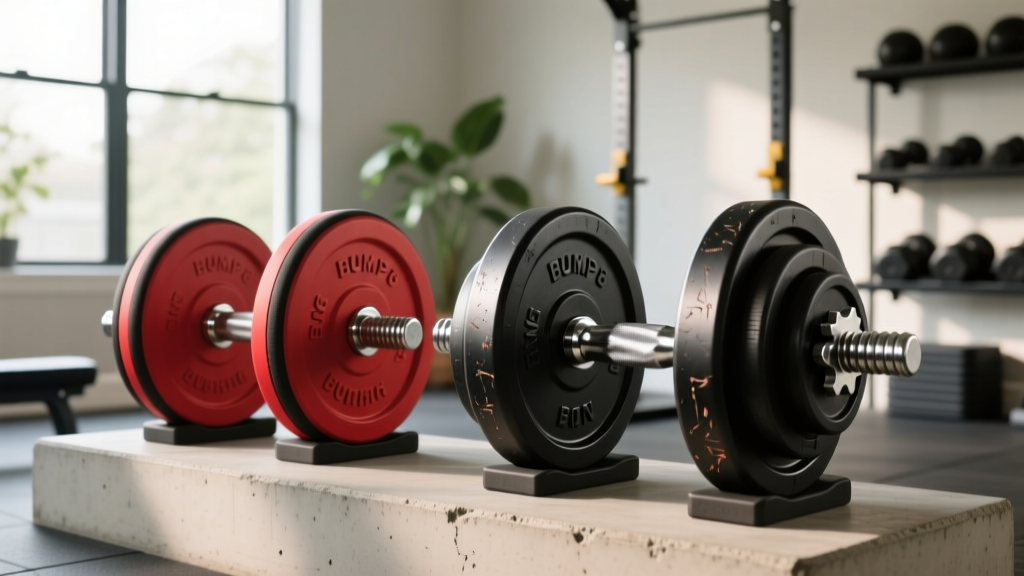
Bumper plates are constructed from either crumb rubber (recycled, lower density, higher bounce) or virgin rubber (dense, low bounce, highly durable). Urethane bumpers represent the premium tier, offering near-indestructible edges but at a steep cost. Cast iron plates, conversely, are poured into molds and either left bare, coated in baked enamel, or CNC-machined for precise tolerances. According to BarBend's comprehensive plate analysis, the primary wear vector for bumpers is edge tearing and hub separation, while iron plates primarily suffer from enamel chipping and oxidative rust.
| Feature | Virgin Rubber Bumpers | Machined Cast Iron |
|---|---|---|
| Primary Enemy | UV Exposure & Extreme Cold | Humidity & Enamel Impact |
| Cleaning Agent | Mild Soap & Water | Dry Cloth & Mineral Oil |
| Hub Maintenance | Check for rubber separation | Deburr inner diameter (ID) |
| 2026 Avg. Cost | $2.80 - $3.50 / lb | $2.00 - $2.50 / lb |
| Est. Lifespan | 7-10 Years (Indoor) | Generational (If maintained) |
Maintenance Protocols for Bumper Plates
Bumper plates are often marketed as 'maintenance-free,' a myth that leads to premature degradation. The rubber compound is susceptible to oxidization when exposed to ultraviolet light and ozone. Over time, this manifests as a chalky, gray residue on the surface, which eventually dries out the rubber and leads to micro-fissures along the outer edge.
⚠️ Warning: The Hub Separation Failure ModeThe most catastrophic failure point on a bumper plate is the steel or brass insert hub. Repeated dropping—especially with uneven loads or on uneven flooring—can cause the rubber to tear away from the metal insert. Once the hub wobbles, it will aggressively grind against your barbell sleeves, destroying the zinc or chrome coating on your bar. Inspect the hub perimeter monthly for any signs of tearing or whistling gaps.
Cleaning and Edge Care
To maintain the structural integrity of virgin rubber bumpers (such as the Rep Fitness SR Bumpers or Rogue Echo Bumpers), wipe them down monthly with a damp microfiber cloth and a diluted solution of Simple Green. Avoid harsh chemical degreasers or bleach-based cleaners, which break down the vulcanization bonds. If your plates develop a chalky oxidation layer, applying a light coat of 303 Automotive Protectant can restore the rubber's moisture barrier without leaving a slippery residue that could compromise your grip during plate-loaded exercises.
Longevity Secrets for Cast Iron Plates
Cast iron plates are the workhorses of the strength world. Their thin profile makes them ideal for loading heavy barbells for deadlifts and squats, and they allow for precise micro-loading. However, iron is inherently reactive. Even plates coated in baked enamel are vulnerable at the inner diameter (ID) and the outer edges, where the raw metal is exposed or where the enamel has chipped from plate-to-plate impacts.
Step-by-Step Rust Remediation and Prevention
- Assess the Damage: Identify surface rust versus deep pitting. Surface rust is cosmetic; pitting compromises the plate's structural balance.
- Mechanical Removal: Use a brass wire brush attached to a standard power drill to strip surface rust. Brass is hard enough to remove oxidation but soft enough not to gouge the healthy cast iron beneath.
- Chemical Treatment: For stubborn rust in the ID ring, submerge the affected area in Evapo-Rust for 12-24 hours. This chelating agent safely removes rust without harming the surrounding enamel.
- Seal and Protect: Once bare, wipe the iron with a lint-free cloth soaked in 3-IN-ONE Multi-Purpose Oil or a dedicated carnauba paste wax. This creates a hydrophobic barrier against ambient moisture.
When iron plates are manufactured or dropped, the inner ring can develop microscopic metal burrs. If left unchecked, these burrs act like a cheese grater on your barbell sleeves. Run a half-round metal file around the ID of your iron plates twice a year to ensure a smooth, flush loading experience.
Integrating Plate Care with Your Upper Back Dumbbell Routines
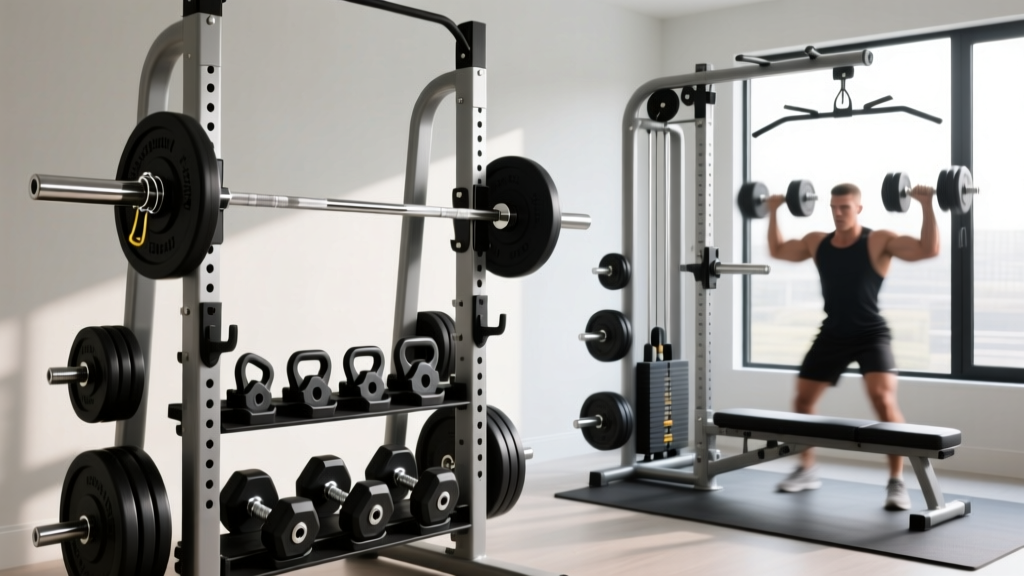
Why does plate maintenance matter when your focus is on building a massive posterior chain? When executing heavy upper back dumbbell routines—such as chest-supported rows, Pendlay row variations, heavy single-arm dumbbell rows, or loaded carries—your gym floor and equipment ecosystem take a concentrated beating. Hybrid workouts frequently involve supersetting barbell movements with dumbbell work, meaning your plates and dumbbells share the same floor space, racks, and loading zones.
Consider the geometry of hex dumbbells, which are heavily favored for upper back rows due to their anti-roll properties. The sharp, hard-cast edges of iron hex dumbbells can easily gouge and slice the outer edges of rubber bumper plates if they are haphazardly stacked or dropped against them. Conversely, if you are using rubber-coated dumbbells for your upper back work, the degrading rubber can leave stubborn scuff marks on the enamel of your iron plates.
'Equipment synergy is critical in a home gym. The way you store and transition between your barbell plates and your upper back dumbbell arsenal dictates the lifespan of both. Never stack bare iron hex dumbbells directly against virgin rubber bumpers; always utilize a dedicated dumbbell rack or a heavy-duty rubber mat buffer zone.'
Furthermore, during intense upper back dumbbell drop sets, the repeated impact of heavy dumbbells on the floor can cause micro-vibrations that travel through the subfloor. If your iron plates are stored on a vertical tree rack nearby, these vibrations can cause poorly balanced iron plates to shift, chip their enamel against the rack's steel uprights, and accelerate rust formation at the contact points. Securing your plate storage and utilizing horse-stall mats beneath all free weight zones mitigates this kinetic transfer.
Environmental Factors: Garage Gyms vs. Climate-Controlled Spaces
The environment in which you train dictates your maintenance frequency. According to Rogue Fitness equipment specifications, rubber compounds perform optimally between 50°F and 85°F. In unheated garage gyms during winter, bumper plates become brittle. Dropping a barbell loaded with cold bumpers during a heavy complex can result in shattered plates. If you train in a cold environment, bring your bumpers indoors or use a space heater to raise the ambient temperature above 60°F before heavy drops.
For iron plates, humidity is the ultimate adversary. In coastal or high-humidity regions, ambient moisture levels above 65% will cause bare or chipped iron to flash-rust within 48 hours. Investing in a commercial-grade dehumidifier for your gym space is not a luxury; it is a mandatory equipment preservation tool. Keep your gym's relative humidity between 40% and 50% to virtually eliminate oxidative degradation on your iron plates, barbell sleeves, and dumbbell handles.
Frequently Asked Questions (FAQ)
Can I use bumper plates and iron plates together on the same barbell?
Technically, yes, but it is highly discouraged for heavy lifting. Bumper plates have a slightly different diameter tolerance and hub depth than iron plates. When mixed, the clamping force of the barbell collar is distributed unevenly. This can cause the iron plates to shift and grind against the bumpers during lifts, damaging both the rubber and the barbell sleeve. Always use uniform plate types per side.
How often should I oil my cast iron plates?
In a climate-controlled indoor gym, a light coating of mineral oil or carnauba wax once every six months is sufficient. In a garage gym with fluctuating humidity, you should inspect and re-oil the exposed inner diameters and edges every 8 to 12 weeks to prevent flash rusting.
Do urethane bumper plates require the same care as rubber?
Urethane is vastly superior in resisting UV damage, oxidation, and edge tearing. While they do not require rubber protectants, their steel hubs still need to be inspected for loosening. Urethane is also highly resistant to the scuffs and marks that might occur if a heavy upper back dumbbell is accidentally dropped against its edge, making it the premium choice for high-traffic, multi-use home gyms.
More gear to consider
All reviews
Barbell Knurling Guide vs Seated Alternating Dumbbell Curls
Cast Iron vs Competition Kettlebells: Dumbbell Core Workout Men

Rubber Hex vs Urethane Dumbbells vs Bowflex Dumbbells SelectTech 1090

Bumper vs Iron Plates: Best for Lower Pectoral Dumbbell Exercises?

Olympic vs Standard Plates: Troubleshooting & Bowflex Dumbbells