Iron Plates vs Bumpers & Plated Dumbbells: 2026 Cost Analysis
Compare iron plates, bumper plates, and plated dumbbells for your 2026 home gym. We break down exact costs, durability, and value per pound.

The 2026 Free Weight Budget: Beyond the Barbell
Building a home gym in 2026 requires navigating a complex landscape of supply chain shifts, material costs, and an overwhelming variety of equipment. When outfitting your space, the debate usually centers on barbell plates: should you buy traditional cast iron or invest in rubber bumpers? However, a complete free-weight ecosystem also requires unilateral training tools, bringing fixed and adjustable plated dumbbells into the financial equation.
At FitGearPulse, we believe in looking past the marketing hype and focusing on the raw mathematics of your investment. This comprehensive budget breakdown analyzes the true cost-per-pound, hidden expenses, and long-term value of iron plates, bumper plates, and plated dumbbells to help you allocate your fitness budget with absolute precision.
The Quick Verdict
Best Budget Baseline: Cast Iron Plates ($1.40 - $1.80/lb)
Best for Olympic Lifts & Drops: Crumb Rubber Bumpers ($2.00 - $2.50/lb)
Best for Unilateral Hypertrophy: Chrome-Plated Hex Dumbbells ($1.60 - $2.20/lb)
Iron Plates vs. Bumper Plates: The Core Cost Analysis
The foundation of any strength program is the barbell, and the plates you load onto it dictate your baseline budget. Let us break down the metallurgical and manufacturing realities that drive the pricing of these two dominant categories.
Cast Iron Plates: The Budget Baseline
Cast iron plates remain the undisputed champions of cost-efficiency. In 2026, a high-quality set of machined cast iron plates from brands like Rep Fitness or Rogue Fitness typically ranges from $1.40 to $2.00 per pound. The manufacturing process involves pouring molten iron into sand molds, followed by CNC machining of the center hub to ensure a precise 50.4mm diameter opening. This guarantees a snug fit on your barbell sleeve, reducing the 'clanking' effect during heavy deadlifts.
The Catch: Bare cast iron is highly susceptible to oxidation. If your garage gym experiences humidity fluctuations, you will need to maintain them with a light coat of 3-in-One oil or invest in zinc-plated or chrome-plated iron variants, which push the cost closer to $2.20 per pound.
Bumper Plates: Paying for the Drop
Bumper plates are engineered from vulcanized rubber to withstand being dropped from overhead. According to extensive testing by Garage Gym Reviews, the durometer (hardness) rating of the rubber drastically affects both the price and the 'dead bounce' of the plate. Entry-level eco-bumpers (often made from recycled crumb rubber) sit around $1.80 to $2.20 per pound, while virgin rubber competition plates from Fringe Sport or Rogue Fitness command $2.80 to $4.50+ per pound.
You are paying a premium for the steel insert, the vulcanization process, and the IWF (International Weightlifting Federation) diameter standard of 450mm, which ensures that even a 10lb bumper plate shares the load of a drop alongside your heavier 45lb plates.
Where Do Plated Dumbbells Fit in the Budget?
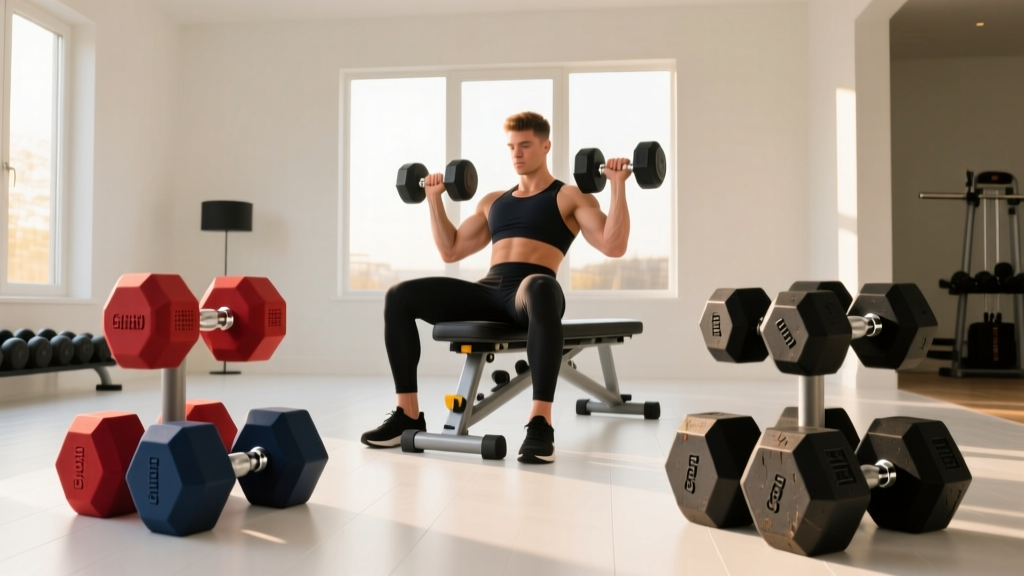
While barbell plates handle heavy bilateral compound movements, plated dumbbells are essential for isolation work, correcting muscular imbalances, and high-rep hypertrophy. When we refer to 'plated dumbbells,' we are generally talking about fixed-weight hex dumbbells coated in either chrome, nickel, or urethane.
Buying a full rack of fixed plated dumbbells (e.g., 5 lbs to 50 lbs in 5 lb increments) is a massive capital expenditure. A complete set of premium urethane-plated dumbbells can easily exceed $2,500. However, on a per-pound basis, buying individual pairs of chrome-plated hex dumbbells usually costs between $1.60 and $2.20 per pound in 2026.
Expert Insight: Never drop chrome-plated or urethane-plated dumbbells on bare concrete. Unlike barbell bumpers, the rigid metal core and relatively thin protective plating will chip, flake, or crack upon high-impact drops, instantly degrading the aesthetic and structural integrity of the weight.
The Adjustable Alternative: Loadable Dumbbell Handles
If your budget cannot accommodate a full rack of fixed plated dumbbells, purchasing a pair of 1-inch or 2-inch (Olympic) loadable dumbbell handles and utilizing your existing iron plates is the ultimate financial hack. A pair of Olympic handles costs roughly $60-$90, allowing you to leverage the iron plates you already own for unilateral work, effectively dropping your marginal cost for dumbbell training to near zero.
The 2026 Price-Per-Pound Matrix
To visualize the budget allocation required for a standard 300-pound home gym setup, review the comparative matrix below. These estimates reflect average direct-to-consumer pricing before freight shipping.
| Equipment Type | Specific Model Example | Avg. Cost Per Pound | 300lb Set Total | Primary Use Case |
|---|---|---|---|---|
| Machined Cast Iron Plates | Rep Fitness Deep Dish | $1.50 | $450 | Powerlifting, General Strength |
| Crumb Rubber Bumpers | Rogue Echo Bumpers | $2.40 | $720 | CrossFit, Olympic Lifting |
| Virgin Rubber Competition | Fringe Sport Black | $3.50 | $1,050 | Competitive Weightlifting |
| Chrome-Plated Hex Dumbbells | York / CAP Barbell Hex | $1.80 | $540 (for 300lbs total) | Hypertrophy, Isolation |
| Urethane-Plated Dumbbells | Rogue Urethane Hex | $3.20 | $960 (for 300lbs total) | Commercial/High-End Home |
Hidden Costs: Flooring, Freight, and Failure Modes
The sticker price of free weights is only the beginning of your financial commitment. A rigorous value analysis must account for the secondary costs associated with each equipment type.
- Freight Shipping: Iron plates are incredibly dense. A 300lb set of iron plates ships in a single, ultra-dense box that often incurs LTL (Less Than Truckload) freight surcharges or requires a commercial loading dock. Bumper plates, due to their lower density and larger physical volume, require multiple large boxes but often qualify for standard ground shipping thresholds depending on the retailer.
- Flooring Requirements: If you drop iron plates, you will crack standard concrete slabs. You must invest in 3/4-inch vulcanized horse stall mats (approximately $55 per 4x6 foot mat). Bumper plates are more forgiving, but dropping 300+ lbs of rubber on bare concrete repeatedly will still degrade the slab over time.
- Maintenance & Failure Modes: Cast iron requires humidity control; failure to do so results in surface rust that stains floors and clothing. Bumper plates suffer from UV degradation; leaving them in direct sunlight will cause the rubber to dry rot and crumble within 24 months. Plated dumbbells, specifically chrome variants, can suffer from 'pitting' if the sweat salts from your hands are not wiped down, eventually leading to flaking metal edges that can tear your calluses.
The FitGearPulse Value Framework: Which Should You Buy?
Your purchasing decision should be dictated by your training modality and your environmental constraints.
- The Powerlifter / Budget Builder: Buy machined cast iron plates and a set of loadable dumbbell handles. This combination offers the lowest cost-per-pound and allows you to scale your dumbbell weight incrementally using your barbell plates. Allocate the saved capital toward a high-quality power rack and a calibrated bench.
- The CrossFitter / Olympic Lifter: You must buy bumper plates. The ability to safely bail on a missed snatch or drop a heavy clean from the shoulders is non-negotiable. Opt for mid-tier crumb rubber bumpers to balance drop-safety with budget constraints, and supplement with a single pair of mid-weight chrome-plated dumbbells for accessory work.
- The Bodybuilder / Aesthetic Gym Builder: Prioritize a full rack of urethane-plated dumbbells. Urethane resists scratching, odor, and UV damage far better than rubber or bare chrome. Pair this with a smaller set of iron plates for your barbell work, as controlled hypertrophy training rarely involves dropping the barbell from overhead.
Frequently Asked Questions
Can I mix iron plates and bumper plates on the same barbell?
Yes, but with a critical caveat: the bumper plate must be the outermost plate on the sleeve, or at least share the load. Standard 45lb iron plates have a smaller diameter (approx. 14.5 inches) than 45lb bumper plates (17.7 inches). If you drop a barbell loaded with bumpers on the inside and iron on the outside, the iron plates will hit the floor first, shattering the iron and potentially bending your barbell sleeve.
Are adjustable dumbbells better value than fixed plated dumbbells?
From a pure space and financial perspective, adjustable dumbbells (like Nuobell or PowerBlock) offer incredible value, replacing up to 15 pairs of fixed plated dumbbells for roughly $400. However, they lack the rugged durability of solid cast iron and chrome plating. If you frequently drop your weights or share your gym with multiple users, fixed plated dumbbells remain the superior long-term investment.
Why do competition bumper plates cost so much more than eco bumpers?
Competition plates use virgin rubber with a higher Shore A durometer rating, meaning they are denser and have a much lower 'dead bounce.' They also feature precision-machined stainless steel hub inserts that grip the barbell sleeve tightly. Eco bumpers use recycled rubber and brass inserts, which can loosen over time and result in a dangerous, unpredictable bounce when dropped from overhead.
More gear to consider
All reviews
Dumbbell Horizontal External Shoulder Rotation: Loadable Handle Care

Bumper vs Iron Plates: Layout Tips & Dumbbell Earrings
Bowflex Dumbbell or Plates? Bumper vs Iron Value Breakdown

Dumbbell Shrugs Exercise Guide: Rubber Hex vs Urethane Value Analysis

Bumper vs Iron Plates & Back Arms Workout with Dumbbells