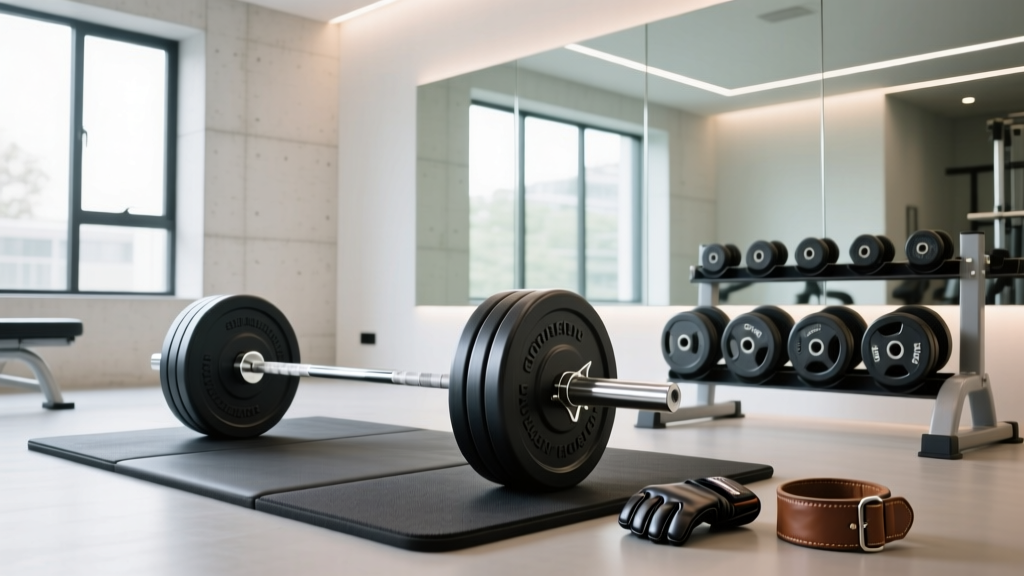
Gear Troubleshooting: Barbell Knurling & Alternating Dumbbell Lunges
Troubleshoot your free weight setup. We break down Olympic barbell weight, knurling aggressiveness, and grip fixes for alternating dumbbell lunges.

The Hidden Cost of Mismatched Free Weight Gear
Building a functional home or commercial gym in 2026 requires more than just buying the heaviest iron you can find. A common troubleshooting scenario we see at FitGearPulse involves lifters hitting a plateau or experiencing sudden grip blowout, only to realize their gear is actively working against them. Two of the most frequent culprits? Misunderstanding Olympic barbell weight tolerances and knurling aggressiveness, and failing to manage grip fatigue during high-rep unilateral accessories like alternating dumbbell lunges.
This guide bridges the gap between barbell purchasing specs and dumbbell execution. We will troubleshoot the exact metallurgy and knurl patterns you need in an Olympic bar, and then show you how to fix the grip and form errors that sabotage your unilateral leg work.
Olympic Barbell Buying Guide: Weight Tolerances & Specs
The first mistake buyers make is assuming every standard Olympic barbell weighs exactly 45 pounds. In the modern fitness equipment market, weight calibration varies wildly based on the bar's intended governing body and manufacturing tier.
The 20kg vs. 45lb Discrepancy
According to the International Weightlifting Federation, a standard men's Olympic weightlifting bar must weigh exactly 20kg (44.09 lbs). Conversely, powerlifting federations often utilize bars calibrated to exactly 45 lbs (20.41kg). While a 0.9 lb difference seems negligible, it compounds when tracking progressive overload over a multi-year mesocycle. Furthermore, budget bars imported in 2026 frequently weigh anywhere from 42 lbs to 47 lbs due to poor shaft machining and inconsistent sleeve lengths.
Shaft Diameter and Tensile Strength
- 28mm Shaft: Standard for Olympic weightlifting. Provides optimal "whip" (elastic deformation) for the snatch and clean & jerk.
- 28.5mm Shaft: The hybrid standard. Ideal for multipurpose racks, offering a balance of whip and rigidity.
- 29mm Shaft: Powerlifting standard. Maximizes stiffness for heavy, low-rep squats and bench presses.
Troubleshooting Tip: If your barbell feels permanently bent after heavy squats, check the tensile strength. Anything below 190,000 PSI will yield and deform. Aim for 205,000 PSI or higher for a bar that will survive a decade of heavy use.
Decoding Knurling: Aggressiveness, Depth, and Pattern
Knurling is the cross-hatched pattern machined into the barbell shaft. It is the single most important tactile feature of your bar, and choosing the wrong one will ruin your hands for subsequent dumbbell work.
| Knurl Profile | Shape & Depth | Best Use Case | Impact on Hands |
|---|---|---|---|
| Hill | Smooth, rounded peaks. Shallow depth. | High-rep conditioning, CrossFit, beginners. | Very low. Minimal callus tearing. |
| Volcano | Crater-like rim. Medium depth (0.015" - 0.020"). | Multipurpose, hybrid lifting, daily squats. | Moderate. Grips securely without shredding skin. |
| Mountain | Sharp, aggressive peaks. Deep cut (0.025"+). | Heavy 1-3 rep max powerlifting, deadlifts. | Severe. Will tear calluses if used for high volume. |
"The biggest mistake lifters make is buying a dedicated, aggressive 'mountain' knurl power bar for general fitness. If you max out on squats and immediately transition to dumbbell accessories, your central nervous system and skin will pay the price."
The Grip Bottleneck: Transitioning to Alternating Dumbbell Lunges
Why are we discussing barbell knurling in the context of alternating dumbbell lunges? Because your free weight routine is an ecosystem. If you perform heavy barbell squats or Romanian deadlifts with an aggressive mountain knurl, you create micro-tears in your calluses and induce severe localized forearm fatigue.
When you subsequently pick up a pair of 60lb urethane hex dumbbells to perform walking or alternating lunges, your grip will fail long before your quadriceps or glutes do. This is a classic troubleshooting scenario: the lifter assumes their leg endurance is lacking, when in reality, their gear choice and grip management are the limiting factors.
Troubleshooting Alternating Dumbbell Lunges
The alternating dumbbell lunge is a staple for unilateral leg development, correcting imbalances, and improving hip stability. However, form breakdown and grip fatigue are rampant. Biomechanical breakdowns from ExRx highlight the complex stabilization required from the core and hips during the eccentric descent. Here is how to troubleshoot the most common errors:
- Error: The 'Tightrope' Step
Symptom: Loss of balance, knee valgus (caving inward), and excessive ankle rolling.
Fix: Imagine walking on train tracks, not a tightrope. Maintain your natural hip-width lateral distance throughout the step. This provides a stable base of support and allows the gluteus medius to properly stabilize the pelvis. - Error: Grip Blowout on Rep 8
Symptom: Fingers uncurling from the dumbbell handle before the set is complete.
Fix: If your hands are already compromised from a sharp barbell knurl, use the "hook grip" on the dumbbell (wrapping the thumb over the index and middle fingers) or utilize lifting straps. If hypertrophy is the goal, do not let grip strength dictate your leg volume. - Error: Short-Stepping the Lunge
Symptom: Excessive knee shear force and quad dominance, missing the glute stretch.
Fix: Increase your stride length by 15-20%. A longer stride shifts the biomechanical load to the gluteus maximus and hamstrings, while a shorter stride isolates the quadriceps. Adjust based on your specific 2026 training block goals.
Common Mistakes & Quick Fixes Matrix
Use this troubleshooting matrix to diagnose issues in your free weight setup and execution.
| Symptom / Issue | Root Cause | Troubleshooting Solution |
|---|---|---|
| Barbell feels slippery during heavy pulls | Zinc or Cerakote finish filling in a shallow "Hill" knurl. | Upgrade to a bare steel or hard chrome bar with a "Volcano" knurl pattern. |
| Torn calluses during high-rep dumbbell lunges | Aggressive barbell knurl tearing skin prior to dumbbell work. | Switch to a multipurpose bar; use chalk sparingly; moisturize hands post-workout. |
| Progressive overload math is failing | Using an uncalibrated 42lb budget barbell. | Invest in a calibrated 20kg IWF or 45lb IPF bar with +/- 1% tolerance. |
| Knee pain during alternating lunges | Short stride length and "tightrope" foot placement. | Widen lateral stance to hip-width; increase stride length to engage posterior chain. |
Final Synthesis: Building a Cohesive Free Weight Arsenal
Troubleshooting your gym routine isn't just about fixing your form; it's about ensuring your equipment supports your physiological goals. When investing in an Olympic barbell, prioritize a 28.5mm shaft with a volcano knurl and a tensile strength above 190k PSI. This ensures the bar is rigid enough for heavy squats but forgiving enough on the skin to allow you to seamlessly transition to high-volume accessory work.
When you move to the dumbbell rack for your alternating dumbbell lunges, respect the cumulative fatigue on your grip and central nervous system. Manage your stride length, maintain a wide base of support, and don't hesitate to use straps if your goal is unilateral leg hypertrophy rather than grip endurance. By aligning your gear specifications with your biomechanical execution, you eliminate the hidden friction points that stall progress.
More gear to consider
All reviews
Best Racks for Lower Body Workouts with Dumbbells: 2026 Trends

Best Dumbbell Rack Storage for Your Dumbbell Chest Press Machine

Olympic vs Standard Plates for Your Full Body Dumbbell Only Workout
Good Shoulder Workouts With Dumbbells: Loadable Space Setup
Lower Back Dumbbell Guide: Top Neoprene Weights Compared