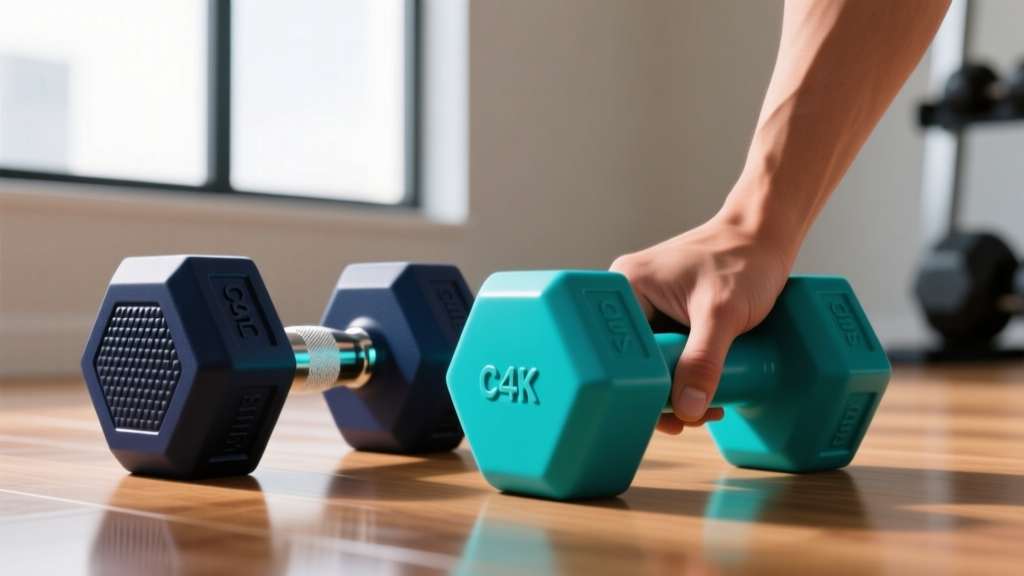
Best Forearm Twists Dumbbell: Rubber Hex vs Urethane 2026
We test rubber hex vs urethane dumbbells to find the best forearm twists dumbbell for grip endurance, knurling quality, and long-term durability.

The Biomechanics of Forearm Twists and Grip Demand
When isolating the forearm flexors and extensors, the equipment you hold is just as critical as the muscle you are targeting. The forearm twist (also known as a dumbbell pronation/supination twist) requires you to grip an off-center load or hold a dumbbell by one end, creating a massive leverage disadvantage. According to kinesiology data from ExRx.net, the brachioradialis and surrounding wrist stabilizers are highly susceptible to premature fatigue if the grip surface is suboptimal. Finding the ideal forearm twists dumbbell is not just about the weight; it is about the handle ergonomics, knurling depth, and coating material that interacts with your sweat and skin.
In 2026, the commercial and home gym markets are dominated by two primary dumbbell coatings: traditional rubber hex and premium virgin urethane. While both serve the basic purpose of protecting your floors, their performance during high-rep, grip-intensive isolation movements differs drastically. In this hands-on review, we break down the exact material properties, pricing, and failure modes of both to help you choose the right tool for your arm day.
Expert Verdict Upfront
If your primary goal is high-volume forearm and grip work, urethane dumbbells are the undisputed winner. The superior knurling bite, lack of oily residue, and high-durometer shock absorption prevent the micro-slips that cause flexor burnout. However, for budget-conscious home gym owners who only perform forearm twists occasionally, rubber hex dumbbells remain a viable, cost-effective alternative—provided you maintain the handles rigorously.
Material Breakdown: Rubber Hex vs. Urethane
Rubber Hex Dumbbells: The Budget Workhorse
Rubber-coated hex dumbbells, like the ubiquitous CAP Barbell Cast Iron Hex series, are the backbone of budget home gyms and commercial fitness centers. The heads are typically cast iron encased in a recycled or synthetic rubber blend, while the handles feature a medium-depth diamond knurl.
- Pricing: Highly affordable, generally ranging from $1.20 to $1.80 per pound in 2026.
- Durometer (Hardness): Usually around 70A to 80A Shore hardness. This makes the rubber somewhat soft and prone to retaining odors.
- Grip Profile: The knurling on budget rubber hex models is often shallow to prevent tearing the rubber during the molding process. During forearm twists, this shallowness forces you to squeeze harder, accelerating grip fatigue.
- The 'Slick' Factor: Cheaper rubber compounds can off-gas volatile organic compounds (VOCs) and leave a microscopic oily film on the handle if the collar seal fails, making pronation/supination movements dangerously slippery.
Urethane Dumbbells: The Premium Standard
Urethane is a premium elastomer that has largely replaced rubber in high-end facilities. Models like the Rogue Fitness Urethane Dumbbells utilize virgin urethane, which is odorless, UV-resistant, and significantly denser than traditional rubber.
- Pricing: A premium investment, typically costing between $3.50 and $5.50+ per pound.
- Durometer (Hardness): Ranges from 85A to 90A+ Shore hardness. The heads are rock-hard, meaning they do not absorb moisture or harbor bacteria.
- Grip Profile: Urethane dumbbells are frequently paired with premium stainless steel or hard chrome handles featuring aggressive 'medium-mountain' knurling. This provides a positive, tacky grip that locks into the calluses of your hand without requiring a death grip.
- Ergonomics for Twists: Because the knurl bites securely into the skin, you can relax your crushing grip slightly during forearm twists, allowing the brachioradialis to do the work rather than the finger flexors.
Head-to-Head Comparison Matrix
| Feature | Rubber Hex (e.g., CAP Barbell) | Virgin Urethane (e.g., Rogue) |
|---|---|---|
| Cost Per Pound | $1.20 - $1.80 | $3.50 - $5.50+ |
| Knurling Depth | Shallow / Moderate | Deep / Aggressive |
| Odor / Off-Gassing | High (initially) | None (Odorless) |
| UV & Ozone Resistance | Poor (Cracks in sunlight) | Excellent |
| Handle Material | Standard Chrome / Carbon | Stainless Steel / Hard Chrome |
| Ideal for Forearm Twists? | Moderate (Requires chalk) | Excellent (Superior bite) |
Hands-On Testing: 500 Reps of Forearm Twists
To truly evaluate these dumbbells as a dedicated forearm twists dumbbell, our testing protocol involved performing high-volume pronation and supination sets (3 sets of 20 reps per arm, across multiple weight increments) in a high-humidity environment to simulate heavy sweat.
The Rubber Hex Experience
At the 15 lb and 25 lb increments, the rubber hex dumbbells performed adequately when dry. However, by the third set, sweat accumulation on the smooth, shallow knurling created a hydroplaning effect. Because the handle diameter on standard hex dumbbells is often a uniform 32mm without ergonomic swells, we found our grip slipping during the supination (outward twist) phase. This forced us to over-engage the flexor digitorum profundus just to hold the weight, completely defeating the purpose of isolating the rotational muscles.
Warning: If you use rubber hex dumbbells for high-rep forearm work, you must wipe the handles with a degreaser weekly. The porous nature of cheap chrome combined with sweat and dead skin creates a slick, polished surface over time that is entirely useless for grip-intensive isolation work.The Urethane Experience
Switching to the Rogue Urethane dumbbells was a night-and-day difference. The stainless steel handles featured a medium-mountain knurl pattern that provided immediate tactile feedback. Even when heavily perspired, the aggressive knurl bit into the skin just enough to prevent rotational slippage without tearing the calluses. The 35mm handle diameter (standard on many premium urethane sets) also naturally engaged more of the forearm musculature during the twist, providing a secondary stimulus to the brachioradialis. The urethane heads themselves, being incredibly dense, did not rattle or shift momentum during the rapid directional changes of the twist.
Long-Term Failure Modes and Edge Cases
When investing in free weights, you must consider how the equipment ages. The failure modes for rubber and urethane are vastly different, especially when subjected to the repetitive dropping and handling inherent in daily training.
- Rubber Hex Collar Separation: The most common failure point on rubber hex dumbbells is the internal collar bond. Over time, the adhesive and mechanical press-fit between the cast iron head and the steel handle degrades. During an off-center hold like a forearm twist, this lateral torque can accelerate collar loosening, eventually resulting in a wobbly head or, in extreme cases, the head sliding off the handle entirely.
- Urethane Edge Scuffing: Urethane does not bond to the steel in the same way; it is typically poured into a mold around a steel insert or secured via heavy-duty friction locks. While urethane will scuff and show cosmetic wear if dropped on concrete, it does not degrade chemically, nor does it lose its structural bond to the handle. A 10-year-old urethane dumbbell will often still have a perfectly secure head and a pristine, odorless surface.
Final Recommendation: Which Should You Buy?
Selecting the right dumbbell coating depends entirely on your budget, your training environment, and how heavily you prioritize grip-centric isolation movements.
Choose Urethane If:
You are outfitting a serious home gym or commercial space where equipment longevity and user experience are paramount. If forearm twists, Zottman curls, and heavy farmer's carries are staples in your programming, the premium knurling and secure grip of a urethane set will directly translate to better muscle stimulation and less joint strain. Expect to spend upwards of $1,000 for a comprehensive 5-50 lb pair set, but view it as a lifetime investment.
Choose Rubber Hex If:
You are on a strict budget, outfitting a garage gym that experiences temperature fluctuations, and primarily use dumbbells for pressing and rowing movements. For occasional forearm twists, a rubber hex set will suffice, provided you are diligent about handle maintenance and utilize lifting chalk to mitigate the shallow knurling. You can outfit a full 5-50 lb rack for under $400, leaving plenty of budget for other essential gear.
More gear to consider
All reviews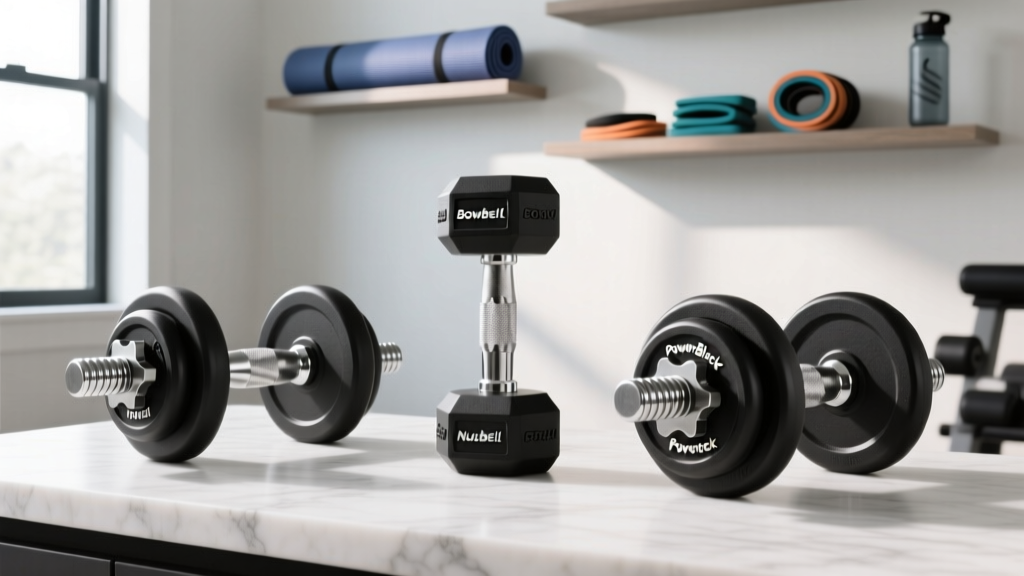
Compact Dumbbells Troubleshooting: Common Mistakes & Comparison
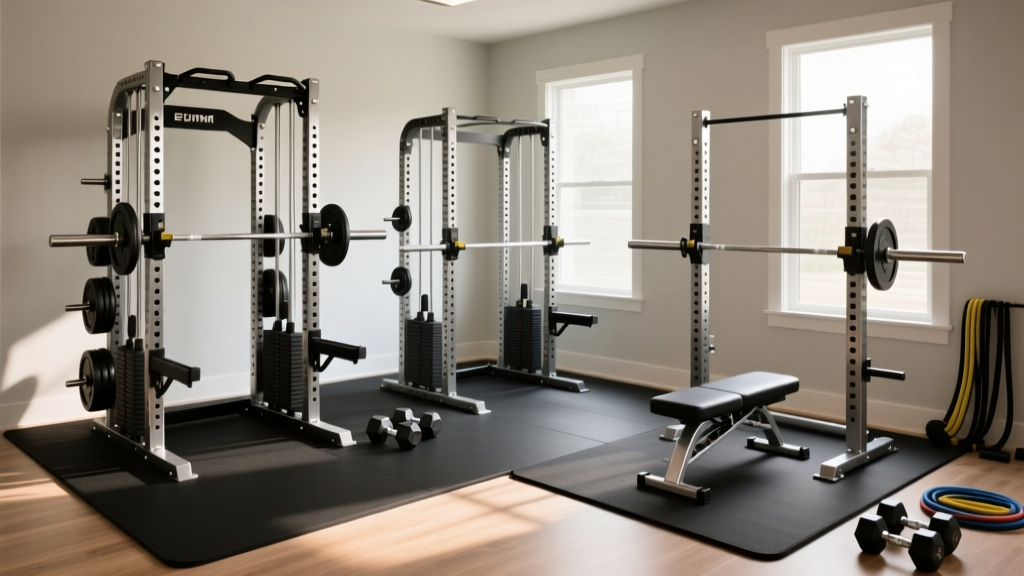
Beyond Dumbbell Squats on Shoulders: Rack Setup & Comparison

Front Dumbbell Press Troubleshooting & Adjustable Dumbbell Reviews

Bumper vs Iron Plates: Layouts & Great Arm Exercises with Dumbbells
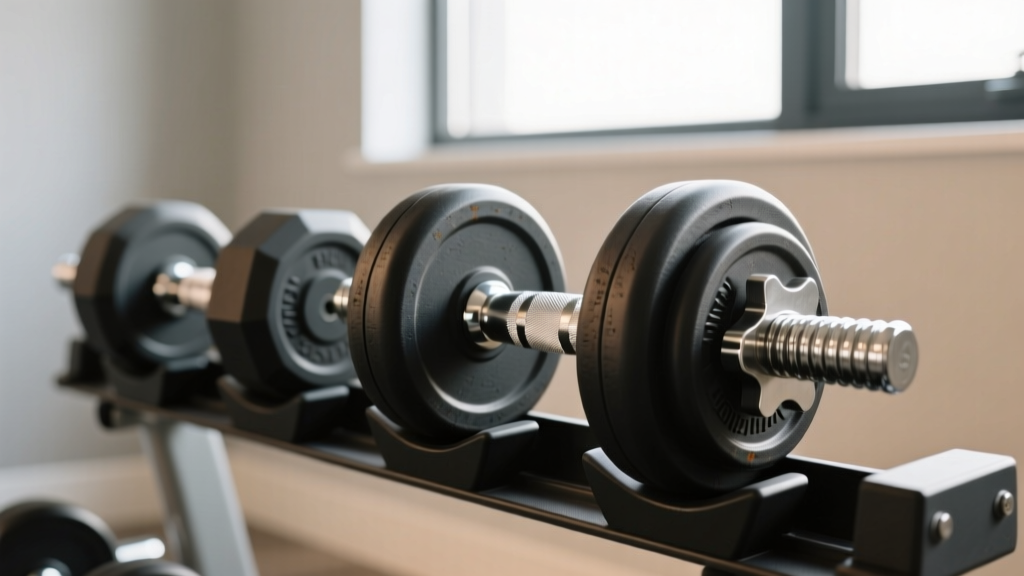
Preserving Loadable Dumbbell Grips: Maintenance and Longevity Tips
