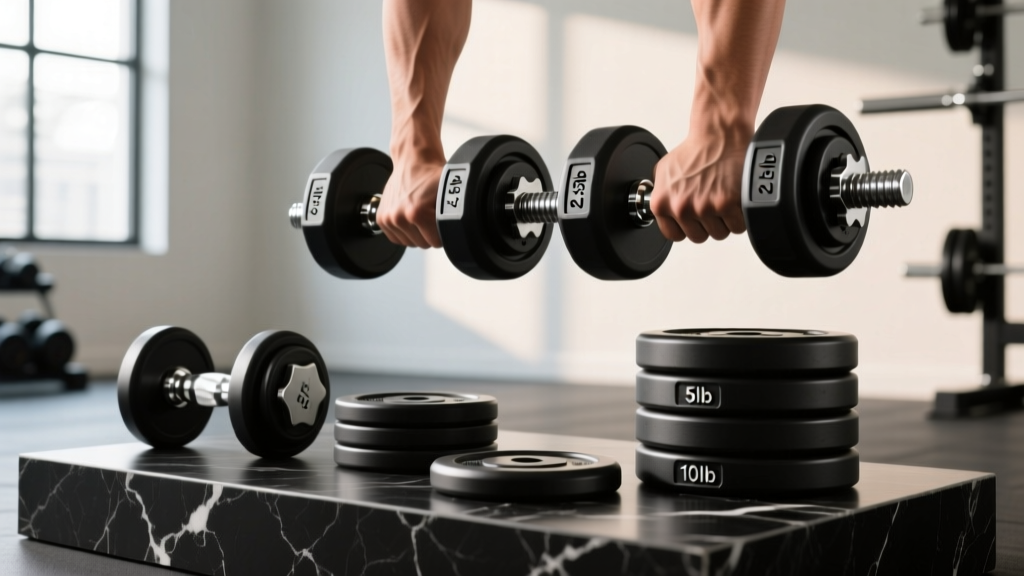
Flabby Arm Exercises with Dumbbells: Rubber Hex vs Urethane Value
Discover the best gear for flabby arm exercises with dumbbells. We break down rubber hex vs urethane costs, durability, and value for your home gym.

The Real Cost of Toning: Why Dumbbell Material Matters
When committing to a targeted routine of flabby arm exercises with dumbbells, most beginners focus entirely on the workout plan—obsessing over tricep kickbacks, hammer curls, and overhead extensions. However, the physical tool you use to execute these movements plays a massive, often overlooked role in your long-term consistency and home gym budget. If you are outfitting a home space specifically for arm toning and light-to-medium resistance training, you will inevitably face the most common equipment crossroads: rubber hex dumbbells vs. urethane dumbbells.
From a purely aesthetic standpoint, both look like modern free weights. But from a budget breakdown and value analysis perspective, they represent two entirely different economic philosophies. One is a depreciating, high-maintenance asset; the other is a premium, buy-it-for-life investment. Let us break down the exact costs, failure modes, and practical applications of both materials to help you decide which is actually worth your money in 2026.
💡 The Home Gym Budget Rule: Never calculate dumbbell value by the total price tag alone. True value is measured in Cost-Per-Pound (CPP) divided by the Expected Lifespan in Years. A cheap pair of weights that degrades and smells up your guest room in three years is ultimately more expensive than a premium pair that lasts three decades.Rubber Hex Dumbbells: The Entry-Level Economics
Rubber-coated hex dumbbells are the undisputed kings of the budget home gym. Typically constructed with a cast-iron core encased in a layer of recycled or virgin rubber, these weights are mass-produced and widely available. Brands like CAP Barbell and Yes4All dominate this space, offering accessible entry points for those just starting their arm-toning journeys.
The Budget Breakdown
As of early 2026, rubber hex dumbbells generally retail between $1.00 and $1.60 per pound. If you are buying a pair of 15-pound dumbbells for tricep extensions, you are looking at an upfront cost of roughly $30 to $45. This low barrier to entry is their primary advantage.
Failure Modes and Edge Cases
While the initial cost is low, rubber hex dumbbells carry hidden long-term costs and annoyances:
- Off-Gassing: Cheaper rubber coatings release volatile organic compounds (VOCs). A new set can make an enclosed room smell like a tire shop for up to four weeks.
- UV and Ozone Degradation: If your home gym is in a garage or sunroom, UV exposure will cause the rubber to dry out, chalk, and eventually crack within 3 to 5 years.
- Handle Ergonomics: Budget rubber hex sets often feature thicker, less aggressively knurled handles. For high-repetition isolation exercises recommended by the American Council on Exercise (ACE), a slippery handle can compromise your mind-muscle connection and grip safety.
Urethane Dumbbells: The High-Yield Investment
Urethane (specifically polyurethane) is a premium elastomer that has become the gold standard for commercial gyms and high-end home setups. Brands like Rogue Fitness and Rep Fitness utilize high-density urethane that is poured and cured under strict tolerances.
The Budget Breakdown
Urethane demands a premium. In 2026, expect to pay between $2.80 and $4.50 per pound. That same pair of 15-pound dumbbells will cost you between $85 and $130. On paper, this is a 200% markup over rubber. But the value proposition reveals itself in the material science.
Material Science and Durability
Urethane is measured on the Shore A hardness scale, typically rating between 85A and 90A for premium dumbbells. This makes it highly resistant to abrasion, impact, and environmental factors.
"Unlike recycled rubber, high-grade polyurethane is virtually impervious to UV light, extreme temperature fluctuations, and humidity. It does not off-gas, meaning it is completely odorless upon unboxing—a critical factor for indoor home gyms."
The primary failure mode of a urethane dumbbell is not the coating, but the handle. If the chrome or zinc plating on the steel handle is compromised and left in a highly humid environment, surface rust can occur. However, the urethane head itself will easily outlive the user.
Price Matrix: 2026 Market Rates for Arm Training Pairs
When targeting the muscles of the upper arm (biceps, triceps, and brachialis), you rarely need the 50+ pound dumbbells required for heavy chest presses. The following table compares the average market rates for the light-to-medium pairs most frequently used in arm isolation routines.
| Weight Pair | Rubber Hex (Avg Cost) | Urethane (Avg Cost) | Value Verdict |
|---|---|---|---|
| 10 lb Pair | $22.00 | $65.00 | Rubber Hex (Low usage wear) |
| 20 lb Pair | $38.00 | $105.00 | Tie (Depends on gym location) |
| 35 lb Pair | $60.00 | $180.00 | Urethane (Better balance/drop safety) |
Application: Matching the Gear to Flabby Arm Exercises
How does the material actually affect your workout? According to CDC guidelines on muscle-strengthening activities, consistency and progressive overload are the keys to changing body composition. The gear you choose must facilitate, not hinder, this process.
Tricep Isolation (Kickbacks & Overhead Extensions)
The triceps brachii makes up roughly two-thirds of your upper arm mass. Exercises like tricep kickbacks require lighter weights (5 to 15 lbs) and strict, controlled form. Winner: Urethane. Urethane dumbbells are poured with tighter weight tolerances (often +/- 1%) compared to rubber hex dumbbells (which can vary by +/- 5%). When holding a 10 lb weight at a 90-degree angle for a kickback, a poorly balanced rubber hex dumbbell will pull unevenly on your wrist, ruining the isolation.
Bicep Curls & Hammer Curls
For standing bicep curls, the shape of the dumbbell head matters less, but the handle knurling is paramount. As your hands sweat during high-rep sets, the aggressive, chrome-finished handles typically paired with urethane dumbbells provide a vastly superior grip compared to the smooth, sometimes painted handles of budget rubber hex sets.
Floor-Based Movements (Renegade Rows)
If your arm routine includes renegade rows or plank-to-push-up transitions using the dumbbells as handles, both hex and urethane models usually feature a hexagonal or multi-sided anti-roll design. However, dropping a 25 lb rubber hex dumbbell on a hardwood floor will eventually chip the rubber and dent the wood. Urethane absorbs impact silently and safely.
Maintenance and Longevity Protocol
To maximize your investment, follow these specific maintenance steps based on your purchase:
- For Rubber Hex: Wipe down with a damp microfiber cloth and mild dish soap weekly. Never use bleach or harsh chemical degreasers, which accelerate the drying and cracking of the rubber. Keep out of direct sunlight.
- For Urethane: Wipe down with a 50/50 mix of water and white vinegar to remove hand oils. Use a wire brush or nylon bristle brush on the handle knurling once a month to remove dead skin and chalk buildup, followed by a light coating of 3-in-One oil to prevent rust.
The Verdict: Which Offers Better Long-Term Value?
If your budget is strictly capped under $50 and you are keeping the weights in a climate-controlled spare bedroom, rubber hex dumbbells will get the job done for your initial arm-toning routine. They are the pragmatic choice for the absolute beginner who is unsure if they will stick with the habit.
However, if you are building a permanent home gym, suffer from sensitivity to chemical odors, or plan to progress to heavier weights over the next decade, urethane dumbbells are the undisputed champions of long-term value. The higher upfront cost is entirely offset by the zero-maintenance, odor-free, and indestructible nature of the material. When you are three years into your fitness journey, focusing on your flabby arm exercises with dumbbells that look, feel, and smell exactly as they did on day one, the premium paid for urethane will feel like a bargain.
More gear to consider
All reviews
Power Rack vs Squat Rack vs Stand for Free Dumbbell Exercises

Beginner Brachioradialis Workout With Dumbbells: Neoprene Guide
Olympic Barbell Guide for a Chest Workout Without Dumbbells
Space-Saving Trap Dumbbell Workouts Using Loadable Plates

Biceps and Triceps Workouts with Dumbbells: 2026 Urethane vs Rubber Hex Trends