
Dumbbell Toe Touch Troubleshooting: Olympic vs Standard Plates
Troubleshoot common home gym errors with our Olympic vs standard weight plate guide, optimizing your setup for the dumbbell toe touch and core work.

The Functional Baseline: Why Plate Choice Ruins Your Dumbbell Toe Touch
The dumbbell toe touch is a fundamental core and hamstring exercise that requires a stable, predictable center of mass. Whether you are holding a single fixed dumbbell, gripping a plate-loaded adjustable handle, or performing a deficit variation while standing on weight plates, your equipment's tolerances directly impact your biomechanics. According to the ACE Fitness Exercise Library, maintaining strict spinal alignment and controlled hip hinging is critical for targeting the rectus abdominis and preventing lumbar strain. Yet, thousands of home gym owners sabotage this movement by using mismatched or poorly toleranced weight plates.
As we navigate the 2026 home gym equipment landscape, the debate between Olympic and standard weight plates remains a primary point of failure for functional fitness enthusiasts. This troubleshooting guide breaks down the most common mechanical errors lifters make when selecting plates for core work, grip-heavy movements, and floor-based variations, helping you identify exactly where your current setup is leaking kinetic energy.
Mistake #1: Misunderstanding the 1-Inch vs. 2-Inch Bore Tolerance Disaster
The most frequent troubleshooting issue we see in home gyms involves the center bore of the weight plate. Standard plates feature a 1-inch (25.4mm) center hole, while Olympic plates utilize a 2-inch (50.8mm) bore. However, the nominal measurement is where the trouble begins.
Cheaply cast standard plates often suffer from severe manufacturing variances. A standard plate stamped with a 1-inch bore might actually measure anywhere from 0.98 to 1.08 inches due to poor quality control in the casting molds. When you load these onto a 1-inch adjustable dumbbell handle for a weighted toe touch, the excess space creates a 'rattle' or micro-wobble. During the eccentric (lowering) phase of the toe touch, this asymmetrical shifting forces your stabilizer muscles to compensate for the moving load, entirely ruining the mind-muscle connection and increasing the risk of a lower back tweak.
Conversely, true Olympic plates are machined to strict International Weightlifting Federation (IWF) tolerances. The bore is precisely 50.4mm (+/- 0.2mm) to fit snugly onto a 50mm Olympic sleeve. When secured with a spring clip or clamp collar, an Olympic plate becomes a solid extension of the barbell or handle, providing the dead-stability required for strict core flexion.
Troubleshooting Alert: The Eccentric RattleIf you feel a micro-vibration or rattle during the eccentric phase of your dumbbell toe touch, your standard plates are likely shifting on the sleeve. Standard spinlock collars rarely apply enough lateral pressure to lock cast iron plates flush. Switch to Olympic handles with snap collars to eliminate this kinetic leak and protect your spine from asymmetric loading.
Mistake #2: Diameter Inconsistencies in Floor-Based Variations
Many lifters incorporate deficit toe touches by standing on weight plates to increase the range of motion and hamstring stretch. This is where the physical dimensions of standard plates completely break down compared to Olympic specifications.
Standard cast iron plates scale their diameter based on weight. A 10lb standard plate might be 9 inches in diameter, while a 25lb plate is 12 inches, and a 50lb plate is 14 inches. If you are building a platform or stacking plates to create a deficit for your toe touches, the uneven surface area and shifting center of gravity create a massive ankle-roll hazard. Furthermore, if you are using a heavy plate as a floor anchor or counterbalance for advanced core variations, the smaller diameter of lighter standard plates limits your grip options.
Olympic plates—specifically bumper plates like the Rogue Echo Bumper Plates—solve this engineering flaw. From 10lbs (5kg) all the way up to 55lbs (25kg), Olympic bumpers maintain a uniform 450mm (17.7-inch) diameter. This consistency means you can safely stack them for deficit work, use them as stable floor anchors, or grip the outer edge for plate-loaded toe touches without worrying about the plate geometry changing as you adjust the weight.
| Specification | Standard Plates (1-Inch) | Olympic Plates (2-Inch) |
|---|---|---|
| Bore Diameter | 1 inch (25.4mm) - High variance | 50.4mm - Strict IWF tolerance |
| Diameter Consistency | Varies by weight (9 to 14 inches) | 450mm (17.7 in) for 10lb+ bumpers |
| Sleeve Security | Spinlock (prone to loosening) | Spring clips / Clamp collars |
| Drop Tolerance | Low (cast iron cracks easily) | High (especially rubber/urethane) |
| Avg. 2026 Cost Per Pound | $1.20 - $1.50 | $2.50 (Iron) / $5.00 (Bumper) |
Mistake #3: Overlooking Calibrated Thickness for Grip Clearance
When loading adjustable dumbbell handles for heavy, weighted toe touches or Russian twists, sleeve real estate is a premium commodity. Standard plates are notoriously thick and bulky. A standard 25lb cast iron plate can be over 1.5 inches thick. If you are trying to load 50lbs onto a standard 1-inch dumbbell handle, the plates will max out the sleeve length, leaving zero room for the spinlock collar to thread securely. This results in a dangerous overhang where the collar is barely gripping the threads, risking a plate sliding off mid-rep.
Olympic plates, particularly calibrated steel or machined iron variants, are significantly denser and thinner. You can easily load 100lbs onto a standard Olympic dumbbell handle while leaving ample room for a heavy-duty clamp collar. This ensures the weight is securely locked against the sleeve lip, providing the peace of mind necessary to focus entirely on the deep abdominal contraction of the toe touch rather than worrying about your equipment failing.
Mistake #4: The Drop-Tolerance Failure in Eccentric Core Work
Functional core training often involves dynamic movements where the weight is returned to the floor rapidly. While the dumbbell toe touch is generally a controlled movement, complex variations or superset transitions often lead to weights being dropped. Standard plates are made of brittle, low-grade cast iron. Dropping a 25lb standard plate from waist height onto a rubber mat will frequently result in the plate cracking around the 1-inch bore or chipping the outer edge, creating sharp, dangerous fragments in your gym space.
As noted in biomechanical equipment analyses by ExRx Kinesiology Concepts, managing impact forces is critical for both joint longevity and equipment lifespan. Olympic bumper plates feature a stainless steel center insert encased in high-density virgin rubber or urethane. They are engineered to absorb the kinetic energy of a drop from overhead, let alone waist-height core movements. Upgrading to Olympic bumpers eliminates the anxiety of breaking your gear during high-intensity functional circuits.
Step-by-Step Framework: Retrofitting Your Home Gym
If you have identified that your standard plates are hindering your functional movements, follow this troubleshooting framework to upgrade your setup efficiently in 2026:
- Audit Your Current Inventory: Weigh your standard plates on a digital scale. If a 25lb plate is off by more than 2%, discard it for heavy unilateral work like single-leg toe touches, as the imbalance will alter your hip mechanics.
- Invest in Olympic Dumbbell Handles: Purchase a pair of 20-inch Olympic dumbbell handles with spin-lock or clamp-collar ends. Expect to pay around $80 to $120 for a high-quality pair with chrome-finished sleeves.
- Transition to Fractional Olympic Plates: For core work, micro-loading is essential. Buy a set of Olympic fractional plates (0.5lb to 2.5lb) to incrementally increase the resistance of your toe touches without jumping 5lbs at a time.
- Standardize Your Floor Contact: Replace your standard iron plates with a minimum of four 45lb Olympic bumper plates. Use these exclusively for deficit stands, plate drags, and floor anchors to guarantee a uniform 450mm contact patch.
Upgrading from standard to Olympic plates isn't just about lifting heavier; it's about eliminating the mechanical slop that ruins mind-muscle connection during isolation and core movements. Precision equipment breeds precision training.
Expert Verdict: Eliminating the Variables
The dumbbell toe touch demands absolute focus on the contraction of the abdominal wall and the stretch of the posterior chain. You cannot achieve peak neurological drive if your brain is subconsciously processing the wobble of a loose 1-inch bore or the uneven footprint of a mismatched standard plate. While standard plates offer a cheaper entry point for basic static loading, their inherent manufacturing flaws make them a troubleshooting nightmare for functional, floor-based, and grip-intensive core work. By investing in the strict tolerances and uniform geometry of Olympic plates, you remove the equipment variables, allowing you to troubleshoot your actual biomechanics and finally master the movement.
More gear to consider
All reviews
Barbell Collar and Clamp Types Comparison: Moving Past 'Dumbbell Squats Work Which Muscles'
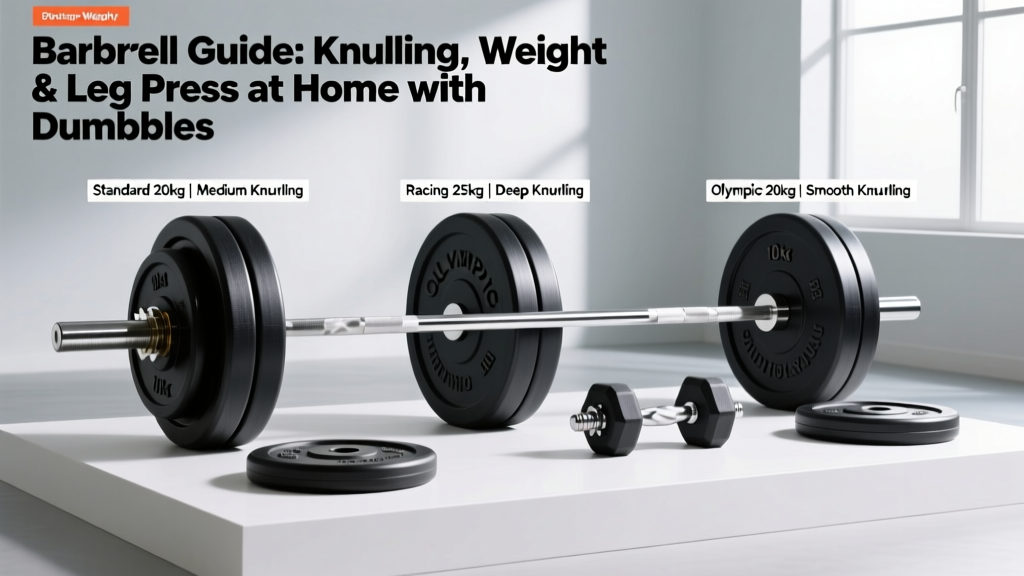
Barbell Guide: Knurling, Weight & Leg Press at Home with Dumbbells
Arm Workouts With Dumbbells: Urethane vs Rubber Hex 2026 Trends
Inner Chest Dumbbell Setup: Adjustable Models Compared & Reviewed
Loadable Goblet Squat Dumbbells: 2026 Value Breakdown
