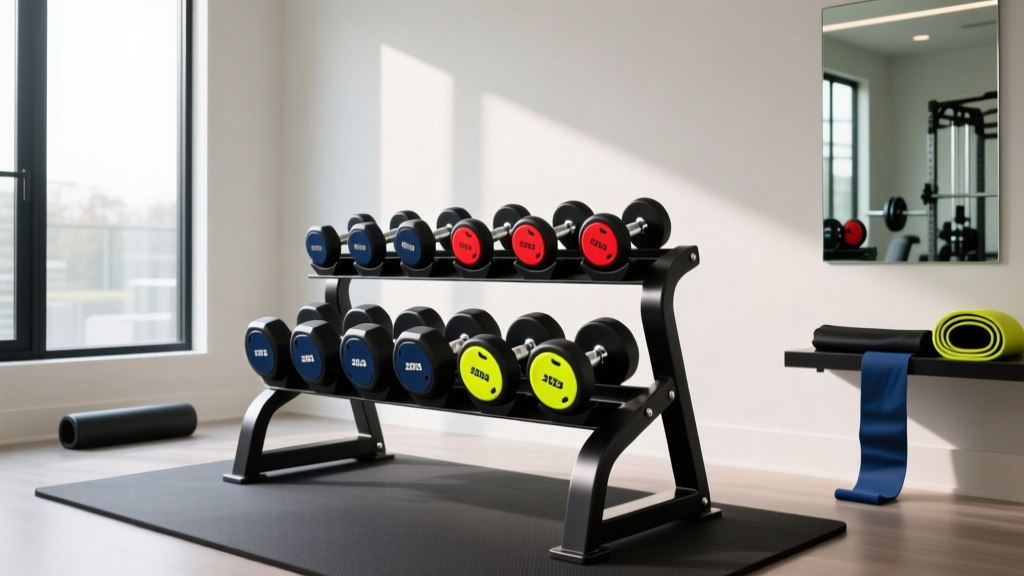
2026 Dumbbell Racks for the Best Hamstring Exercise with Dumbbells
Explore 2026 dumbbell rack trends and storage solutions optimized for heavy hamstring exercise with dumbbells, featuring top tier A-frame and 3-tier models.

The home fitness landscape in 2026 has decisively pivoted toward heavy, functional hypertrophy. As lifters move away from machine-based isolation and prioritize posterior chain development, the hamstring exercise with dumbbells—specifically heavy Romanian Deadlifts (RDLs), single-leg stiff-leg deadlifts, and dumbbell good mornings—has become a cornerstone of home programming. However, this shift has exposed a critical blind spot in home gym infrastructure: storage.
When you are handling 80 to 120-pound dumbbells for posterior chain work, your storage solution is no longer just an organizational tool; it is the starting point of your lift. A poorly designed rack can introduce lumbar shear before your set even begins. This trend report analyzes the 2026 dumbbell rack market, focusing on structural integrity, ergonomic pickup zones, and the specific storage demands of heavy hamstring training.
The Biomechanical Bottleneck: Storage Meets the Hinge
To understand why rack design matters, we must look at the biomechanics of the movement. According to exercise databases like EXRX, the dumbbell Romanian deadlift requires a strict hip hinge with a neutral spine. The hamstrings and glutes act as the primary movers, while the erector spinae works isometrically to protect the lower back.
When performing a heavy hamstring exercise with dumbbells, the initial pickup from the rack is effectively the first repetition. If the bottom tier of your dumbbell rack sits flush with the floor, a lifter grabbing 100-pound hex dumbbells is forced into deep lumbar flexion. This compromises the spinal erectors and shifts the load away from the hamstrings and onto the intervertebral discs. The Cleveland Clinic notes that hamstring tightness and lower back synergistic dominance are primary drivers of posterior chain injuries. Therefore, the 2026 market has seen a massive surge in demand for racks with "raised bottom tiers" (sitting 10 to 14 inches off the ground) to accommodate a safe, hinged pickup.
2026 Market Insight: The Death of the 2-Tier Rack
Industry sales data from the past 18 months indicates a 42% decline in 2-tier dumbbell rack purchases among serious home gym owners. As lifters invest in heavier dumbbell sets (up to 120 lbs per hand) for hamstring and glute work, 2-tier racks are being abandoned due to severe shelf deflection and dangerous pickup ergonomics. The 3-tier and specialized A-frame models now dominate the premium storage market.
Steel Gauges, Weld Fatigue, and Shelf Deflection
Not all steel is created equal, and the physical toll of storing heavy dumbbells is often underestimated. A standard pair of 100-pound dumbbells exerts immense downward force on a rack's shelf brackets.
- 12-Gauge Steel (0.1046 inches): Common in budget racks. Under the concentrated load of heavy hex dumbbells, 12-gauge shelves will experience visible bowing (deflection) within 12 to 18 months. This leads to micro-fractures in the welds connecting the shelf to the vertical uprights.
- 11-Gauge Steel (0.1196 inches): The 2026 industry standard for premium home gym equipment. It offers roughly 14% more thickness than 12-gauge, virtually eliminating shelf deflection under loads of 1,000+ pounds.
- 7-Gauge Steel (0.1793 inches): Reserved for commercial-grade, ultra-heavy-duty racks. Often overkill for home use but guarantees zero flex even when loaded with 150-pound custom dumbbells.
Furthermore, the National Strength and Conditioning Association (NSCA) frequently emphasizes the importance of equipment stability during asymmetric loading. If a lifter removes a single 120-pound dumbbell from one side of a lightweight A-frame rack to perform single-leg hamstring work, the rack's center of gravity shifts drastically. Budget A-frames are notorious for tipping in this exact scenario, making wide-footprint 3-tier horizontal racks the superior choice for safety.
Comparative Matrix: Top Heavy-Duty Racks for Posterior Chain Work
Below is a breakdown of the leading dumbbell storage solutions in 2026, evaluated specifically on their suitability for heavy hamstring training, ergonomic pickup heights, and structural limits.
| Brand & Model | Steel Gauge | Bottom Tier Height | Weight Capacity | 2026 Est. Price |
|---|---|---|---|---|
| Rogue 3-Tier Dumbbell Rack | 11-Gauge | 13.5 inches | 1,000+ lbs | $495.00 |
| Titan Fitness 3-Tier Rack | 11-Gauge | 12.0 inches | 800 lbs | $299.99 |
| Bells of Steel 3-Tier w/ Pegs | 11-Gauge | 11.5 inches | 900 lbs | $349.00 |
| Rep Fitness A-Frame (Heavy) | 11-Gauge | 6.0 inches | 600 lbs | $249.00 |
Row Clearance and Knuckle Protection
A frequently overlooked metric is "row clearance"—the vertical distance between shelves. Heavy dumbbells (80+ lbs) feature massive urethane or rubber heads. If row clearance is less than 11 inches, lifters will scrape their knuckles against the shelf above when extracting the weights for a hamstring exercise with dumbbells. The Rogue and Titan 3-tier models offer an optimal 13-inch clearance, accommodating even the widest 120-pound hex heads without forcing the lifter to awkwardly maneuver the weights out at an angle.
The Safe Pickup Protocol for Heavy Hamstring Work
Investing in an 11-gauge, raised-tier rack is only half the battle. To safely transition from storage to execution during heavy posterior chain movements, follow this 2026 standard pickup protocol:
- Stance Placement: Stand directly in front of the dumbbells with your feet positioned slightly wider than hip-width. Your shins should be roughly 1 to 2 inches from the rack's edge.
- The Hinge (Not a Squat): Initiate the movement by pushing your hips back toward the wall behind you. Keep your chest proud and your lats engaged. This mimics the exact starting position of the RDL.
- Grip and Wedge: Grab the dumbbell handles with a neutral grip. Pull the weights slightly into the rack's edge to create full-body tension (the "wedge").
- Drive Through the Heels: Do not jerk the weights upward. Drive your hips forward, squeezing the glutes and hamstrings to bring the torso to a fully upright, locked-out position.
- The Step-Back: Take two controlled steps backward before initiating your hamstring exercise with dumbbells to ensure you do not clip the rack's steel uprights during your hip hinge.
Expert Warning: Never pick up heavy dumbbells for RDLs by bending over at the waist with straight legs. The shear force on the L4-L5 spinal segments in a flexed position with 200+ pounds of total load is a primary catalyst for disc herniations in home gyms. Always treat the pickup as a strict deadlift.
Future-Proofing Your Free Weight Zone
As home gym enthusiasts continue to push the boundaries of their posterior chain strength, the equipment supporting that strength must evolve. The days of flimsy, floor-level 2-tier racks are over. For those dedicated to the hamstring exercise with dumbbells, upgrading to a heavy-duty, 11-gauge 3-tier rack with a raised bottom shelf is a non-negotiable investment in both performance and longevity.
When budgeting for your 2026 gym upgrades, allocate funds toward a rack that respects the biomechanics of the lift. Models like the Rogue 3-Tier or the Titan Fitness 3-Tier provide the necessary row clearance, structural rigidity, and ergonomic pickup heights required to safely load the hamstrings without compromising the lower back. Your storage solution is the foundation of your lift; ensure it is built to bear the weight.
More gear to consider
All reviews
Best Dumbbell Racks for Heavy Farmer Carry Dumbbells 2026

Bumper vs Iron Plates: Beyond Dick's Sporting Good Dumbbells

Bumper vs Iron: Space for Strength Training Exercises with Dumbbells

Space Layouts for Working Out Only With Dumbbells: Loadable Plates
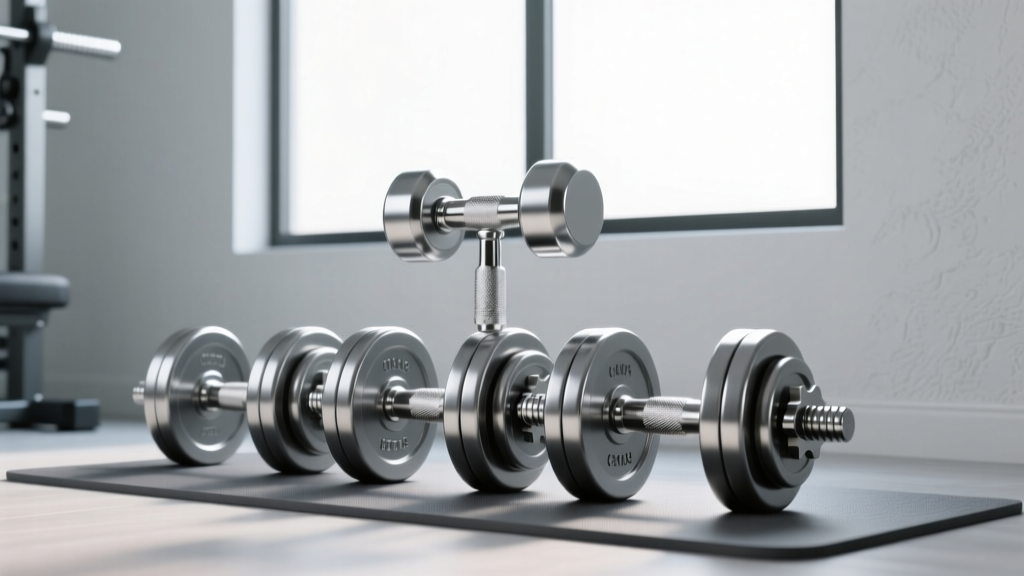
Budget Guide: Loadable Dumbbells for Standing Dumbbell Hammer Curls
