Dumbbell Iron Cross Rack Maintenance and Longevity Guide
Learn expert maintenance care and longevity tips for your dumbbell Iron Cross rack. Discover torque specs, rust prevention, and load limits.

Preserving the Structural Integrity of Your Dumbbell Iron Cross Rack
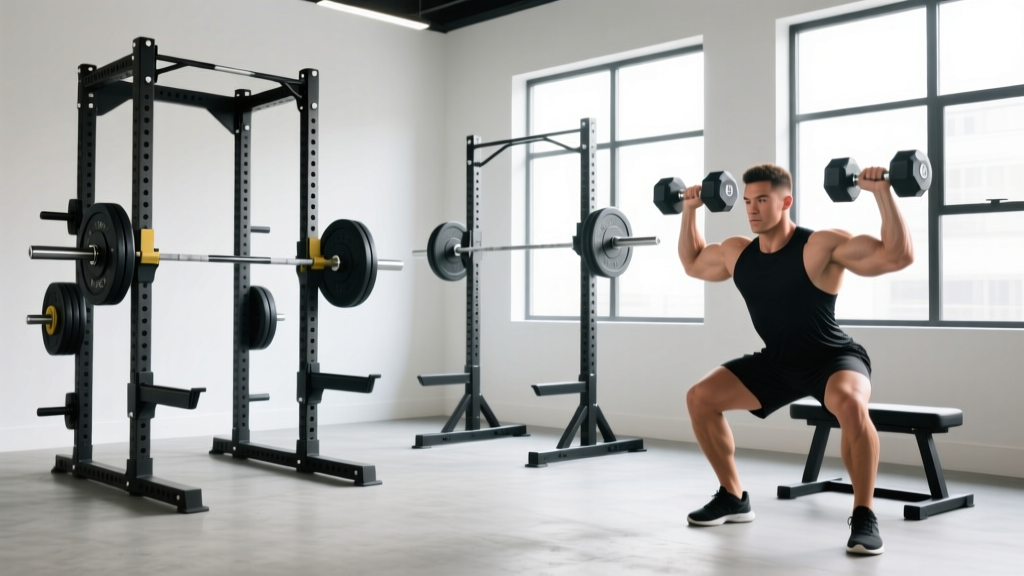
When outfitting a commercial facility or a high-end home gym, the dumbbell Iron Cross rack remains a gold standard for heavy-duty storage. Characterized by its intersecting diagonal steel braces that form an "X" or cross pattern between the uprights, this design virtually eliminates lateral sway, even when users aggressively drop 100-pound urethane dumbbells onto the saddles. However, as of 2026, even the most robust 11-gauge steel storage solutions are not immune to structural fatigue, hardware loosening, and cosmetic degradation if neglected.
Proper maintenance of a dumbbell Iron Cross storage unit goes far beyond wiping down the saddle trays. It requires a systematic approach to hardware torque auditing, powder-coat preservation, and load-distribution management. In this comprehensive guide, we break down the exact engineering specifications, failure modes, and longevity protocols required to keep your rack safe, stable, and visually pristine for decades.
Anatomy of the Iron Cross Bracing System
Before diving into maintenance, it is crucial to understand why the Iron Cross design requires specific care. Unlike standard vertical tiered racks that rely solely on horizontal shelf welds, the Iron Cross utilizes diagonal tension braces. These braces transfer the dynamic shear force of dropping dumbbells downward into the floor, rather than allowing it to twist the uprights.
- Uprights: Typically 2x3-inch or 3x3-inch 11-gauge steel tubing.
- Cross-Braces: 1/4-inch thick laser-cut steel plates bolted in an X-pattern.
- Saddle Trays: UHMW (Ultra-High Molecular Weight) polyethylene-lined steel cradles designed to absorb impact.
- Hardware: M12 Class 10.9 or 1/2-inch Grade 8 zinc-plated hex bolts with nylon-insert lock nuts.
The 6-Month Hardware Torque Audit
The most common cause of catastrophic rack failure is hardware fatigue. The vibration from dropping heavy hex or urethane dumbbells creates micro-oscillations that gradually back out hex bolts. According to ASTM Committee F08 on Sports Equipment, regular inspection of structural fasteners is a mandatory baseline for gym equipment safety.
Step-by-Step Torque Protocol
- Procure the Right Tools: You will need a calibrated click-type torque wrench, an M12 (or 1/2-inch) 6-point impact socket, and a breaker bar.
- Inspect the Nylon Inserts: Remove one bolt from the lower cross-brace. If the nylon insert in the lock nut is stripped, deformed, or offers zero resistance when threaded by hand, replace all nuts on that brace immediately.
- Apply the Star Pattern: When re-tightening the Iron Cross braces, do not fully tighten one bolt before moving to the next. Thread all four bolts of an X-brace to 50% tightness, then use your torque wrench to bring them to the final specification in a crisscross "star" pattern. This ensures even tension across the steel plate.
- Torque Specifications: For standard M12 Class 10.9 bolts lubricated with a light machine oil, set your torque wrench to 75 Nm (approx. 55 ft-lbs). For 1/2-inch Grade 8 bolts, aim for 85 ft-lbs. Always defer to the manufacturer's specific 2026 hardware spec sheet if provided.
Zinc-plated bolts interacting with raw or powder-coated steel in high-humidity environments (like garage gyms or basement facilities) can suffer from galvanic corrosion, effectively welding the bolt to the upright. During your bi-annual audit, apply a single drop of silicone-based penetrating oil to the bolt threads before re-torquing to prevent seizing.
Coating Care and Rust Mitigation
Modern commercial racks utilize TGIC polyester powder coats that are incredibly resilient, but they are not invincible. The friction of steel dumbbell handles sliding across the saddle trays, combined with the acidic nature of human sweat, can compromise the finish over time.
The Powder Coating Institute explicitly warns against using alkaline or highly acidic cleaners on architectural and equipment powder coats. Bleach, ammonia, and undiluted degreasers will cause the coating to chalk, fade, and eventually expose the raw steel to oxidation.
The Approved Cleaning Matrix
| Cleaning Agent | pH Level | Safety for Powder Coat | Use Case |
|---|---|---|---|
| Mild Dish Soap + Water | 7.0 - 8.0 | Excellent | Daily wipe-downs, sweat removal |
| Simple Green (Diluted 10:1) | 8.5 - 9.5 | Good (with immediate rinsing) | Removing chalk dust and grime |
| Ammonia-Based Glass Cleaner | 11.0+ | Poor (Causes Chalking) | NEVER use on rack uprights |
| Isopropyl Alcohol (70%) | Neutral | Fair (Can dry out UHMW plastic) | Spot disinfection only |
For the UHMW polyethylene saddle liners, avoid alcohol-based cleaners entirely. Alcohol dries out the plastic, leading to micro-fractures that will eventually cause the liner to shatter under the impact of a 100-pound dumbbell drop. Stick to warm water and a microfiber cloth for the trays.
Load Distribution and Structural Fatigue
A frequent error in gym management is treating the dumbbell Iron Cross rack as a generic shelving unit. The intersecting braces are engineered to handle specific shear loads based on the tier. Overloading the top tier with heavy competition-grade dumbbells alters the center of gravity and places undue tensile stress on the upper cross-brace mounting points.
Optimal Weight Distribution Framework
Referencing heavy-duty commercial models, such as those outlined in Rogue Fitness commercial rack specifications, proper load distribution is critical for maintaining the rack's zero-deflection promise.
- Bottom Tier (Floor Level): Reserve exclusively for 55 lbs to 120 lbs dumbbells. The lower cross-braces are thickest here to handle the massive kinetic energy generated when users drop heavy weights from waist height.
- Middle Tier (Waist Level): Designate for 30 lbs to 50 lbs dumbbells. This is the highest-traffic zone. Ensure the UHMW liners are inspected monthly here, as repetitive lifting and racking cause the most abrasive wear.
- Top Tier (Chest/Eye Level): Strictly limit to 5 lbs to 25 lbs neoprene or urethane dumbbells. The upper uprights have less lateral mass; overloading this tier can cause a forward tipping hazard if the rack is not bolted to a concrete subfloor.
"A rack is only as stable as its anchor points. If your Iron Cross rack exhibits a harmonic wobble when racking 50-pound dumbbells on the middle tier, the issue is rarely the steel itself—it is almost always a failure of the floor anchoring wedge bolts or a degradation of the concrete subfloor's tensile strength."
Troubleshooting Common Rack Failure Modes
Even with meticulous care, heavy-use environments will eventually reveal mechanical edge cases. Here is how to diagnose and resolve the three most common Iron Cross rack anomalies.
1. Saddle Tray Sag and Asymmetry
The Symptom: Dumbbells roll slightly toward the center or edge of the tray rather than sitting flush.
The Cause: The welds connecting the saddle bracket to the upright have experienced micro-fractures due to repetitive off-center drops, or the UHMW plastic has worn unevenly.
The Fix: Remove the tray. Inspect the weld bead for hairline cracks using a magnifying glass and a bright LED flashlight. If the weld is intact, replace the UHMW liner. If the weld is cracked, the bracket must be TIG-welded by a certified professional and re-powder-coated.
2. Lateral Sway (The "Wobble" Effect)
The Symptom: The rack shifts side-to-side when weights are loaded or removed.
The Cause: The diagonal Iron Cross braces have lost tension, or the floor anchors have pulled out of the concrete.
The Fix: First, perform the torque audit outlined above. If the hardware is at 75 Nm and the rack still sways, inspect the concrete wedge anchors. If the concrete around the anchor is crumbling, you must drill out the old anchor, inject a two-part structural epoxy into the hole, and install a larger-diameter sleeve anchor.
3. Urethane Off-Gassing and Surface Rust
The Symptom: Surface rust appears exclusively on the saddle trays where dumbbells rest, despite the gym being climate-controlled.
The Cause: New urethane dumbbells off-gas volatile organic compounds (VOCs) for the first 6 to 12 months. When placed tightly on a rack in a poorly ventilated room, these gases trap microscopic moisture against the steel tray, bypassing the powder coat through micro-pores.
The Fix: Increase HVAC air exchange rates in the free-weight zone. Wipe down the saddle trays weekly with a pH-neutral cleaner, and consider installing industrial dehumidifiers to keep ambient humidity below 45%.
Frequently Asked Questions
How often should I replace the nylon-insert lock nuts on my rack?
Nylon-insert lock nuts (nyloc nuts) are designed for repeated use up to a certain threshold, but in high-vibration environments like a busy gym, the nylon degrades. We recommend replacing all structural lock nuts on the Iron Cross braces every 3 to 5 years, or immediately if you notice the bolt can be turned by hand after passing through the nut.
Can I use WD-40 to clean the powder-coated uprights?
No. Standard WD-40 is a solvent-based penetrant and water displacer, not a cleaner. It will leave an oily residue that attracts dust, chalk, and dirt, creating an abrasive paste that will eventually dull and scratch the powder coat. Use a dedicated pH-neutral gym equipment cleaner or diluted mild dish soap instead.
Is it necessary to anchor a 500 lb dumbbell Iron Cross rack to the floor?
Absolutely. While the sheer weight of the rack plus 1,500 lbs of dumbbells makes tipping unlikely under static conditions, dynamic forces—such as a user tripping and pulling downward on the top tier, or uneven loading during a crowded class—can shift the center of gravity. Always anchor commercial-grade storage racks to a concrete subfloor using 3/8-inch or 1/2-inch wedge anchors.
More gear to consider
All reviews
Power Rack vs Squat Rack vs Stand: Layout Mistakes & Dumbbell Twists

Dumbbell Power Snatch Gear: Bumper Plate vs Iron Plate

EZ Bar vs Straight Bar: Are 25 lb Dumbbells Enough to Build Muscle?

Adjustable Dumbbell Review: Dumbbell Core Workout Women Setup Guide
Long Head Bicep Exercises Dumbbell Guide Using Neoprene Weights