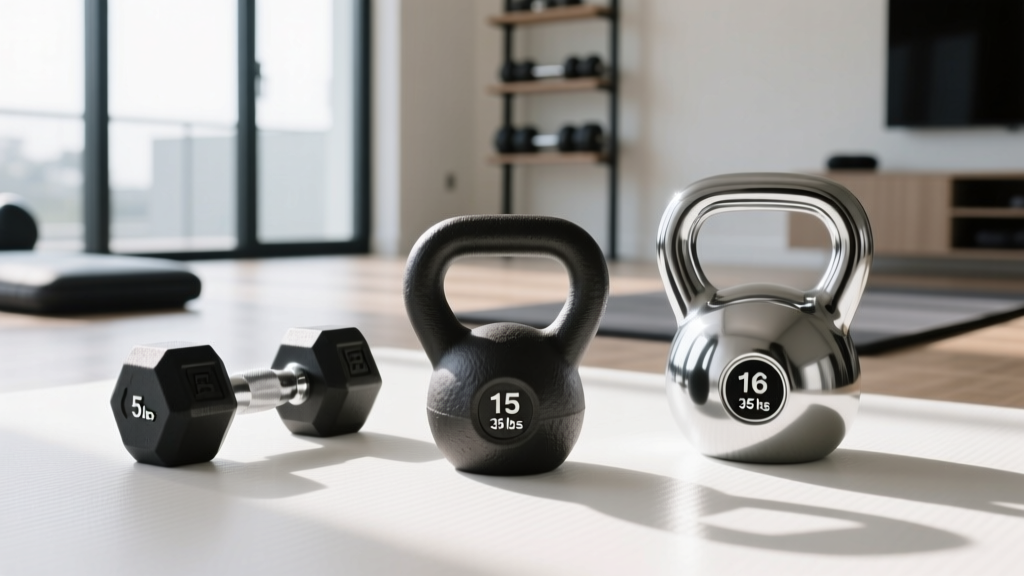
Dumbbell Chest Exercises (No Bench): Rack Storage & Maintenance
Optimize your home gym for dumbbell chest exercises (no bench) with expert rack storage solutions and maintenance tips to maximize equipment longevity.

The Shift to Floor-Based Training and Equipment Storage
As home gym layouts evolve in 2026, minimalist training methodologies have surged in popularity. Lifters are increasingly maximizing their square footage by eliminating bulky furniture. When programming dumbbell chest exercises, no bench is strictly necessary if you incorporate movements like the dumbbell floor press, glute-bridge press, or floor flyes. These variations not only limit shoulder extension to protect the rotator cuff but also demand a completely clear, unobstructed floor space.
However, eliminating the bench shifts the logistical burden entirely to your dumbbell rack and storage solutions. If your dumbbells are scattered across the floor, you lose the safe operating radius required for heavy floor presses. More importantly, improper storage and neglected maintenance can lead to premature equipment degradation, warped rack shelves, and damaged flooring. This guide dives deep into optimizing your storage footprint and implementing a rigorous maintenance protocol to ensure your free weights and racks last a lifetime.
💡 Pro Tip: The 'Roll-Back' Clearance Zone
When performing heavy dumbbell floor presses, the safest way to finish a set is to roll the dumbbells to your thighs and kick them back. You need a minimum of 36 inches of clearance between your workout zone and the front of your dumbbell rack to execute this safely without the dumbbells colliding with the rack's steel uprights and damaging the knurling or urethane coating.
Top-Tier Dumbbell Racks for Maximizing Floor Clearance
To keep your floor pristine for bench-less chest routines, you need a rack with a high-density storage footprint. A 3-tier rack is the industry standard for home and commercial gyms, offering the best balance of vertical storage and horizontal space conservation. Below is a data-driven comparison of the top storage solutions available in 2026.
| Rack Model | Capacity (Pairs) | Footprint (L x W) | Shelf Angle | Est. Price (2026) |
|---|---|---|---|---|
| Rogue 3-Tier Dumbbell Rack | 15 Pairs (5-50 lbs) | 42" x 23" | Flat / Angled Options | $495.00 |
| REP Fitness 3-Tier Rack | 15 Pairs (5-50 lbs) | 41" x 22" | Angled Cradles | $349.00 |
| Bells of Steel 3-Tier Rack | 10 Pairs (Up to 100 lbs) | 35" x 24" | Flat Heavy-Duty | $399.00 |
Rigorous Maintenance Protocols for Racks and Dumbbells
According to facility management guidelines outlined by the National Strength and Conditioning Association (NSCA), routine inspection and maintenance of free weight storage systems are critical for preventing catastrophic hardware failures and preserving equipment aesthetics. When you are constantly loading and unloading heavy dumbbells for floor-based chest exercises, the vibrational stress on your rack is significant.
1. Hardware Torque and Vibrational Loosening
Dropping 50 lb dumbbells onto a rack or the floor nearby creates low-frequency shockwaves. Over time, these micro-vibrations cause standard hex bolts to back out of their threaded inserts.
- The Fix: Every 90 days, use a calibrated torque wrench to check all structural bolts. Most commercial dumbbell racks utilize M12 (12mm) metric bolts. These should be tightened to 55-65 Nm (Newton-meters) of torque.
- Upgrade Path: Replace standard zinc-plated washers with Nord-Lock washers or apply a medium-strength threadlocker (like Loctite Blue 242) to the threads to permanently eliminate vibrational loosening.
2. Coating Care: Urethane vs. Rubber vs. Neoprene
The material of your dumbbells dictates their chemical maintenance. Using the wrong cleaner will destroy the coating, leading to 'rubber bloom' (a white, powdery oxidation) or urethane clouding.
🛡️ Urethane Dumbbells
Cleaning: Mild dish soap and warm water only.
Never Use: Bleach, ammonia, or acidic cleaners.
Longevity: Premium urethane (like Rogue or Eleiko) is UV stable and sweat-resistant. Simply wipe down with a microfiber cloth post-workout.
🔴 Virgin Rubber Dumbbells
Cleaning: pH-neutral cleaner (1 part white vinegar to 4 parts water).
Maintenance: Apply 303 Aerospace Protectant every 6 months to prevent the rubber from drying out, cracking, and off-gassing that harsh 'new tire' smell.
3. Inspecting TIG Welds for Micro-Fractures
The connection points where the shelf brackets meet the vertical uprights endure massive point-loads, especially when a user forcefully drops a heavy dumbbell onto the edge of the shelf. Inspect the TIG weld beads quarterly. Look for hairline cracks or 'rust weeping'—a thin line of orange rust bleeding from the weld seam, which indicates the steel underneath is oxidizing due to a compromised weld. If rust weeping is present, the rack must be taken out of service and re-welded by a professional.
Protecting Your Floors During 'No Bench' Routines
When executing dumbbell chest exercises without a bench, the floor becomes your primary apparatus. The repeated lowering of heavy steel and rubber to the ground, followed by the rolling and kicking of the dumbbells back to the rack, will destroy standard EVA foam puzzle mats and even scar raw concrete over time.
"The kinetic energy of a 50 lb dumbbell dropped from a height of 12 inches generates over 60 Joules of impact force. Without proper shock absorption, this force transfers directly into your subfloor, causing micro-fractures in concrete and permanent compression divots in rubber flooring."
— Home Gym Engineering & Biomechanics Report, 2025
The Ideal Flooring Stack for Floor Presses
- Base Layer: 3/4-inch thick vulcanized rubber horse stall mats (e.g., Washington State Mat). These provide the necessary density to prevent bottoming out.
- Impact Zone: Place a pair of high-density EVA drop pads (specifically designed for deadlifts) exactly where your elbows will touch down during the floor press. This absorbs the acoustic shock and protects the dumbbell handles from knurling damage when they make contact with the floor.
Frequently Asked Questions (FAQ)
Can I store my dumbbells vertically to save more floor space?
While vertical dumbbell trees exist, they are generally not recommended for hex dumbbells heavier than 25 lbs. The point-load on the vertical pegs can cause the rubber/urethane coating on the dumbbell head to deform or tear over time. For heavy sets used in floor presses, a horizontal 3-tier rack remains the gold standard for preserving the structural integrity of the dumbbell heads.
How do I prevent my dumbbell rack from sliding when I bump it during floor exercises?
If your rack is not bolted to a wooden platform, the factory-installed rubber feet often fail to grip smooth concrete or sealed wood. Upgrade the feet by adhering UHMW (Ultra-High Molecular Weight) polyethylene pads or heavy-duty neoprene anti-vibration pads to the base. Alternatively, use sandbags on the bottom tier of the rack to lower the center of gravity and increase the static friction footprint.
Is it safe to roll urethane dumbbells across the floor back to the rack?
Yes, but with a caveat. Urethane is highly resistant to abrasion, but rolling them over debris (like small pebbles or hardened chalk chunks) can cause micro-gouges. Always sweep your floor training zone before starting your dumbbell chest exercises. Furthermore, avoid rolling them directly into the steel uprights of the rack; use the rubber stoppers on the shelves to absorb the final impact.
More gear to consider
All reviews
Loadable Dumbbells vs Bowflex Dumbbells Set: Maintenance Guide
Compact Senior Gyms: Dumbbell Squats for Seniors & Kettlebell Buying Guide
Progressing Past Bent Over Rows Dumbbells: A Beginner's Olympic Barbell Buying Guide

Barbell Collar Comparison & What Does Incline Dumbbell Press Work?
Olympic vs Standard Plates: Buying Guide & Dumbbell RDL for Glutes