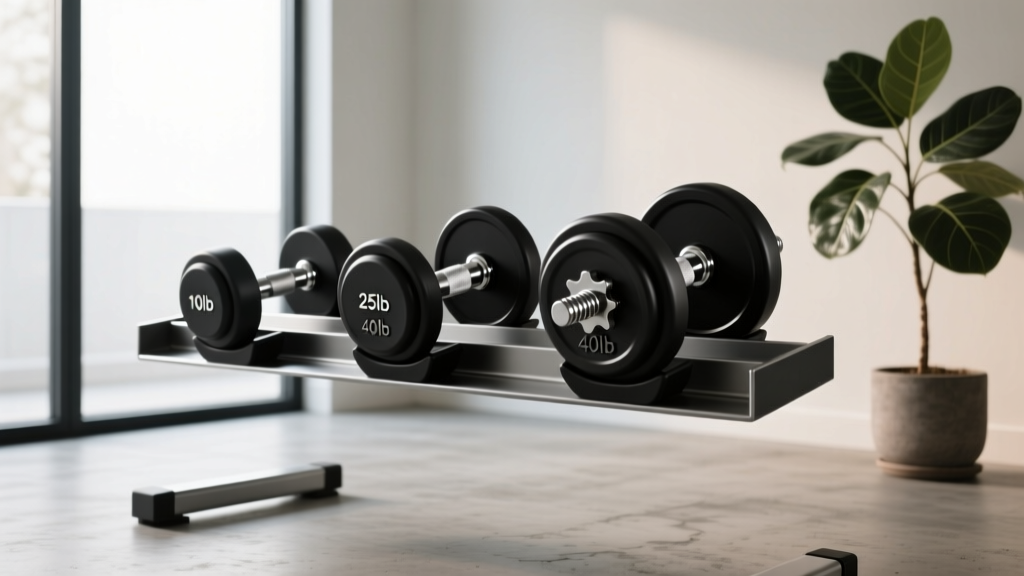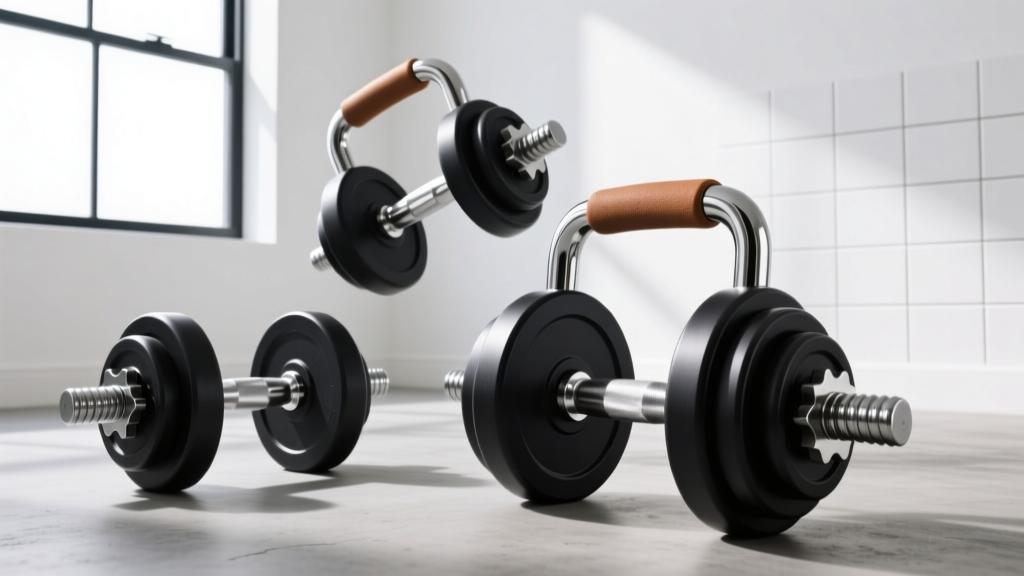
Curved Dumbbell Handles & Loadable Plates: Value Guide
Analyze the true cost of loadable interchangeable plate systems. We break down the budget and value of upgrading to a curved dumbbell handle for ergonomics.

The Shift Toward Ergonomic Loadable Systems
The home gym landscape in 2026 has decisively shifted away from space-hogging fixed hex dumbbell racks toward modular, loadable dumbbell systems with interchangeable plates. For lifters pushing past the 80-pound threshold per hand, the limitations of traditional adjustable spin-lock sets become glaringly obvious. Enter the heavy-duty Olympic loadable handle. But as lifters prioritize longevity and joint health, a new trend has emerged: the ergonomic curved dumbbell handle. Unlike standard straight cylindrical grips, a curved dumbbell design contours to the natural resting angle of the wrist, fundamentally altering the biomechanics of heavy presses and rows. In this comprehensive budget breakdown and value analysis, we will dissect the true cost of building a loadable plate ecosystem, compare the ROI of straight versus contoured grips, and provide a concrete blueprint for assembling a 120-pound adjustable pair without bankrupting your home gym fund.
The Biomechanics: Why the Curved Dumbbell Handle Matters
When you load a standard straight 2-inch Olympic dumbbell handle with 100 pounds of cast iron, the force vector pushes directly against the heel of your palm. During heavy dumbbell bench presses or overhead movements, this straight alignment often forces the wrist into slight extension or ulnar deviation to maintain balance. According to biomechanical analyses of wrist joint kinetics provided by ExRx Kinesiology, sustained loading in extended wrist positions exponentially increases shear stress on the radiocarpal joint and the triangular fibrocartilage complex (TFCC).
The modern curved dumbbell handle solves this by introducing a 10-to-15-degree ergonomic bend or contoured grip zone. This design forces the wrist into a neutral, stacked position—aligning the radius and ulna directly under the load. For lifters dealing with chronic wrist tendonitis or those aiming to press maximal loads safely, the curved dumbbell is not just a luxury; it is a vital piece of preventative equipment. Furthermore, as noted in grip mechanics research by Stronger By Science, a neutral wrist alignment allows for superior force transfer from the forearm flexors, effectively increasing your raw pressing strength by eliminating energy leaks at the joint.
2026 Budget Breakdown: Handles and Interchangeable Plates
Building a loadable dumbbell system requires two distinct capital allocations: the handles and the plates. To understand the value proposition of upgrading to a specialized curved dumbbell grip, we must first establish the baseline costs of the interchangeable plate ecosystem. Below is a detailed cost matrix comparing three distinct build tiers for a home gym in 2026. Pricing reflects current market averages for high-quality, drop-tested equipment.
| Component | Tier 1: Budget Straight | Tier 2: Ergonomic Curved | Tier 3: Commercial Urethane |
|---|---|---|---|
| Handle Type | Standard Straight 2-inch Olympic | Contoured / Curved Dumbbell Grip | Knurled Ergonomic Curved |
| Handle Cost (Pair) | $60 - $80 | $110 - $145 | $160 - $210 |
| Plate Type | Standard Cast Iron | Machined Cast Iron | Virgin Urethane |
| Cost Per Pound (Plates) | $1.30 - $1.60 / lb | $1.80 - $2.20 / lb | $2.80 - $3.50 / lb |
| Collar System | Basic Spring Clips ($8) | Lock-Jaw Clamp ($25) | Magnetic Quick-Release ($45) |
| Total for 100lb Pair | ~$340 | ~$425 | ~$635 |
Value Analysis: Straight vs. Curved Grip Loadable Handles
Is the $50 to $80 premium for a curved dumbbell handle justifiable? Let us break down the value proposition using a practical decision framework.
The Case for the Curved Dumbbell Handle
- Joint Longevity: Reduces wrist strain during high-volume hypertrophy blocks (e.g., 4x12 RDLs or DB Presses).
- Enhanced Knurling Ergonomics: Curved grips often feature multi-directional knurling that locks the palm in place, preventing the dumbbell from rolling backward during heavy incline presses.
- Plate Stability: Premium curved handles typically feature thicker, machined end-collars that sit flush against the inner plate, reducing the notorious plate rattle that plagues cheaper straight handles.
The Trade-Offs of Curved Designs
- Rotational Limitations: The contoured shape makes the dumbbell less ideal for exercises requiring mid-rep rotation, such as Arnold Presses or Turkish Get-Ups.
- Higher Entry Cost: The specialized machining required for a curved dumbbell handle pushes the upfront cost higher than mass-produced straight steel tubes.
- Accessory Compatibility: Some specialized attachments, like dumbbell row straps or fat-grip adapters, do not fit securely over the curved apex of the handle.
Real-World Failure Modes and Edge Cases
When investing in loadable dumbbells with interchangeable plates, the handle is only half the equation. The intersection of the handle sleeve and the plate collar is where most home gym setups fail. Here are the specific edge cases to watch for when pairing plates with a curved dumbbell handle:
- Sleeve Length vs. Plate Width: A standard 10-inch loadable sleeve can comfortably hold about 110 pounds of standard cast iron plates (which are roughly 1.5 inches thick per 25lb plate). However, if you opt for thicker rubber-coated or urethane plates to protect your floors, you may max out the sleeve length at just 80 pounds. Always measure the inner hub width of your plates before buying.
- Collar Slippage on Contoured Grips: Because a curved dumbbell handle shifts the center of gravity slightly closer to the thumb web, the rotational torque on the outer sleeve collar increases during unilateral movements like single-arm rows. Basic spring clips will fail here. You must invest in locking clamp collars rated for at least 100 lbs of lateral force.
- Bushing Wear: If your loadable handle features a rotating sleeve (essential for Olympic lifts or explosive snatches), ensure it uses bronze bushings rather than cheap plastic washers. Over time, the asymmetric weight distribution of a curved grip can warp low-quality plastic washers, causing the sleeve to seize.
For a deep dive into the manufacturing standards of Olympic sleeves and load-bearing tolerances, refer to the equipment specifications outlined by Rogue Fitness Loadable Dumbbell Handles, which detail the exact bushing tolerances required for heavy-duty home gym use.
Step-by-Step: Assembling the Ultimate 120lb Ergonomic Pair
To maximize the value of your interchangeable plate system while utilizing a curved dumbbell handle, follow this precise loading blueprint. This configuration ensures optimal sleeve space utilization and balanced weight distribution.
Step 1: The Base Load (50 lbs)
Slide two 25-pound cast iron plates onto each sleeve. Push them flush against the inner machined lip of the curved handle. This anchors the weight close to your hand, improving balance.
Step 2: The Mid-Range (20 lbs)
Add two 10-pound plates per side. By using smaller diameter 10-pound plates on the outside, you maintain a compact profile, preventing the dumbbell from clashing with your torso during tight movements like dumbbell flyes.
Step 3: The Micro-Adjustments (10 lbs)
Finish with two 5-pound plates per side. This brings the total plate weight to 60 lbs per side (120 lbs total per dumbbell, excluding the 10 lb handle).
Step 4: Secure the Collars
Apply a locking clamp collar directly against the outer 5-pound plate. Ensure the locking mechanism is positioned on the bottom of the sleeve so it does not dig into your forearm during a clean or press.
Long-Term ROI: When Do Interchangeable Plates Beat Fixed Weights?
'The break-even point for a loadable dumbbell system versus a commercial fixed dumbbell rack typically occurs at the 60-pound mark. Beyond that, the cost per pound of fixed urethane dumbbells skyrockets, whereas interchangeable cast iron plates maintain a flat, predictable cost curve.'
— Home Gym Equipment Value Index, 2025-2026
If your training program requires micro-loading (adding 2.5 or 5 pounds per week to drive progressive overload), the loadable interchangeable plate system is mathematically superior. A full set of fixed dumbbells from 50 to 100 pounds (in 5lb increments) will cost upwards of $2,500 and require a massive 6-tier storage rack. In contrast, a pair of premium curved dumbbell handles ($140) and 200 pounds of interchangeable cast iron plates ($320) achieves the exact same weight range for under $500, taking up less than four square feet of floor space.
Final Verdict: Is the Curved Dumbbell Upgrade Worth It?
For the budget-conscious lifter who strictly performs basic movements and has pristine wrist mobility, a standard straight loadable handle remains the undisputed value king. However, if you are a masters lifter, managing joint fatigue, or pushing heavy unilateral loads past 90 pounds per hand, the ergonomic advantages of the curved dumbbell handle easily justify the $60 premium. By pairing an ergonomic curved grip with high-density machined cast iron plates and heavy-duty locking collars, you build a modular, joint-friendly, and highly cost-effective strength ecosystem that will outlast any fixed rubber hex dumbbell on the market.
More gear to consider
All reviews
Olympic Barbell Weight & Knurling Guide: Plus Dumbbell Organizer Setups
Budget Dumbbell Racks: Value Analysis & Protecting the Dumbbell Pullovers Muscles Worked

Bumper vs Iron Plates vs Dumbbell Rear Delt Fly Machine Budgets

EZ Bar vs Straight Bar: Standing Dumbbell Row 2026 Trends
Rubber Hex vs Urethane: Which Aids Dumbbell Bicep Curl Form Best?