
EZ Curl vs Straight Bar Care & Leg Workouts with Dumbbells
Master EZ curl bar vs straight bar maintenance to extend equipment life. Plus, discover why pairing bar care with leg workouts with dumbbells saves gear.

The Metallurgy and Mechanics: EZ Curl vs. Straight Bars
When investing in free weights, understanding the structural differences between an EZ curl bar and a standard Olympic straight bar is the first step toward long-term equipment preservation. A premium straight bar, such as the classic Rogue Ohio Bar (retailing around $295), typically features a 190,000 to 215,000 PSI tensile strength steel shaft with a uniform 28mm or 29mm diameter. This uniform geometry distributes kinetic energy evenly across the shaft during heavy, bilateral lifts like squats and deadlifts.
Conversely, a high-quality EZ curl bar (like the $325 Rogue Curl Bar) utilizes a 25mm shaft with multiple angled bends designed to reduce wrist and elbow valgus stress during isolation movements. However, from a maintenance and longevity perspective, these bends act as natural stress concentrators. The tensile strength of most EZ bars hovers around 190,000 PSI, and the angled geometry makes the shaft highly susceptible to permanent deformation (bending) if subjected to asymmetric loads or dropped off-center. Furthermore, EZ bars almost exclusively rely on bronze bushings rather than needle bearings, meaning their sleeve rotation requires a distinctly different lubrication protocol to prevent sleeve seizure over time.
Knurling Degradation and Sleeve Tolerances
The knurling on an EZ bar is generally shallower and less aggressive than a powerlifting straight bar. Using harsh steel wire brushes to clean chalk and dead skin from an EZ bar will quickly strip its protective zinc or black oxide coating, leading to rapid oxidation (rust). Sleeve tolerances also differ; because EZ bars are shorter (usually 47 to 52 inches) and lighter (15 to 25 lbs), the lateral play in the sleeves is more noticeable when the internal snap rings begin to wear. Regular inspection of the sleeve end-caps is non-negotiable for both bar types, but especially for EZ bars subjected to high-repetition, high-velocity curling mechanics.
The 4-Step Longevity Protocol
To maximize the lifespan of your barbell inventory, implement this bi-weekly maintenance routine. This protocol applies to both straight Olympic bars and EZ curl bars, though EZ bars require slightly more attention to the inner angles of the knurling where chalk accumulates.
- Dry Brushing (Weekly): Use a stiff nylon or brass-bristle brush to scrub the knurling. Never use stainless steel brushes, as they will micro-scratch the zinc or ceramic coating, creating pockets for moisture to trigger rust.
- Deep Cleaning (Monthly): Apply a light degreaser or isopropyl alcohol to a microfiber cloth and wipe down the shaft. Avoid spraying liquids directly onto the bar, as fluid can seep into the sleeve gap and wash out internal lubricants.
- Sleeve Lubrication (Quarterly): Apply exactly 2 to 3 drops of 3-IN-ONE Multi-Purpose Oil or Break Free CLP into the seam between the shaft and the rotating sleeve. Spin the sleeve 10 to 15 times to distribute the oil across the bronze bushings.
- End-Cap Inspection (Bi-Annually): Use a hex key or flathead screwdriver (depending on the manufacturer) to check the tightness of the sleeve end-caps. If your bar uses external snap rings, inspect them for metal fatigue or outward bowing.
A common mistake among home gym owners is over-lubricating barbell sleeves. Flooding the bushing cavity with heavy grease or excessive oil causes a 'hydro-lock' effect, where the viscous fluid creates hydraulic resistance, drastically slowing the sleeve spin and attracting abrasive gym dust into the tolerance gap. Stick to lightweight synthetic oils and wipe away all excess.
Equipment Segregation: Preserving Bars During Leg Workouts with Dumbbells
A critical, yet frequently overlooked, aspect of equipment longevity is load segregation—using the correct tool for the specific biomechanical demand of the exercise. A common mistake in commercial and garage gyms is using expensive Olympic straight bars or EZ curl bars for lower-body unilateral movements like walking lunges, Bulgarian split squats, or step-ups. From a structural preservation standpoint, we strongly advocate structuring these specific movements as dedicated leg workouts with dumbbells.
Why does this matter for your barbell inventory? When you perform walking lunges with a loaded 135lb straight bar, the dynamic, off-center loading and inevitable minor drops or rack misalignments place severe asymmetric shear stress on the barbell shaft. Over time, this accelerates wear on the sleeve bushings on one side of the bar and can lead to permanent shaft bending, as the yield strength of the steel is tested by uneven floor impacts. Using an EZ curl bar for lower-body movements like Zercher squats or lunges is even more detrimental; its angled shaft and lower weight capacity make it highly prone to catastrophic bending under heavy leg loads.
By pivoting to leg workouts with dumbbells—utilizing adjustable models like Nuobell or PowerBlock, or fixed hex rubber dumbbells—you completely eliminate barbell torsional stress. According to the American Council on Exercise (ACE), dumbbell training for lower body movements not only corrects bilateral muscle imbalances but also removes the spinal compression and asymmetric equipment wear associated with barbell lunges. Protecting your $300+ barbell investment means keeping it on the rack for bilateral, axial-loaded movements (squats, deadlifts) and relying on dumbbells for dynamic, unilateral leg training.
| Movement Type | Barbell Impact (Straight/EZ) | Dumbbell Alternative Impact |
|---|---|---|
| Walking Lunges | High asymmetric shear; risks shaft bending and sleeve cap damage from uneven drops. | Zero bar stress; isolated load protects equipment while improving stabilizer engagement. |
| Bulgarian Split Squats | Severe off-center rack loading; accelerates bronze bushing wear on the dominant side. | Even weight distribution; eliminates rack misalignment risks entirely. |
| Step-Ups | High impact vibration transferred through the shaft, loosening end-cap hardware. | Vibration isolated to the dumbbell handles; preserves barbell knurling and sleeves. |
Troubleshooting Common Failure Modes
Even with meticulous care and smart programming (like separating heavy barbell lifts from leg workouts with dumbbells), free weights are subject to mechanical wear. Here is how to identify and address the most common failure modes in EZ and straight bars.
- Sleeve Spin-Out (End-Cap Failure): If the sleeve of your straight bar or EZ bar feels loose or wobbles laterally, the internal snap ring or the end-cap bolt has likely failed. Fix: Remove the end-cap using the appropriate tool, inspect the snap ring groove for metal shavings, and replace the snap ring using internal snap-ring pliers. Replacement parts are usually available directly from the manufacturer for under $15.
- Zinc Oxidation (White Rust): Unlike red rust, which eats into the steel, white rust is a powdery zinc oxide that forms when zinc-coated bars are exposed to high humidity without adequate airflow. Fix: Wipe the bar down with a 50/50 mix of white vinegar and water, scrub gently with a nylon brush, dry immediately, and apply a micro-thin layer of mineral oil to reseal the pores.
- Knurling Chalk Compaction: Over time, magnesium carbonate (gym chalk) and dead skin compress into the valleys of the knurling, creating a smooth, slippery surface. This is especially prevalent in the tight inner angles of an EZ curl bar. Fix: Use a brass brush with a few drops of Simple Green degreaser to break up the organic matrix, followed by a thorough rinse and dry.
When to Retire Your Barbell
Barbells are designed to last decades, but they are not invincible. If a straight bar exhibits a permanent bend of more than 2 millimeters when rolled on a flat surface, its structural integrity is compromised, and it should be retired from heavy axial loading. Similarly, if an EZ curl bar develops visible micro-fractures near the welded sleeve joints or the angled bends, it poses a severe safety hazard and must be removed from circulation immediately.
Authoritative References and Further Reading
Proper equipment maintenance is a cornerstone of safe strength training. For deeper insights into barbell care routines and the biomechanical benefits of utilizing dumbbells for unilateral training, consult the following expert resources:
- Garage Gym Reviews: How to Clean and Maintain a Barbell - A comprehensive, expert-tested guide on lubricants, brush types, and rust prevention for home gym equipment.
- American Council on Exercise (ACE): The Benefits of Dumbbell Training - Research-backed insights on why dumbbells are superior for addressing imbalances and reducing joint/equipment stress during unilateral movements.
More gear to consider
All reviews
Bumper vs Iron: Maintenance for a Beginner Dumbbell Workout Plan
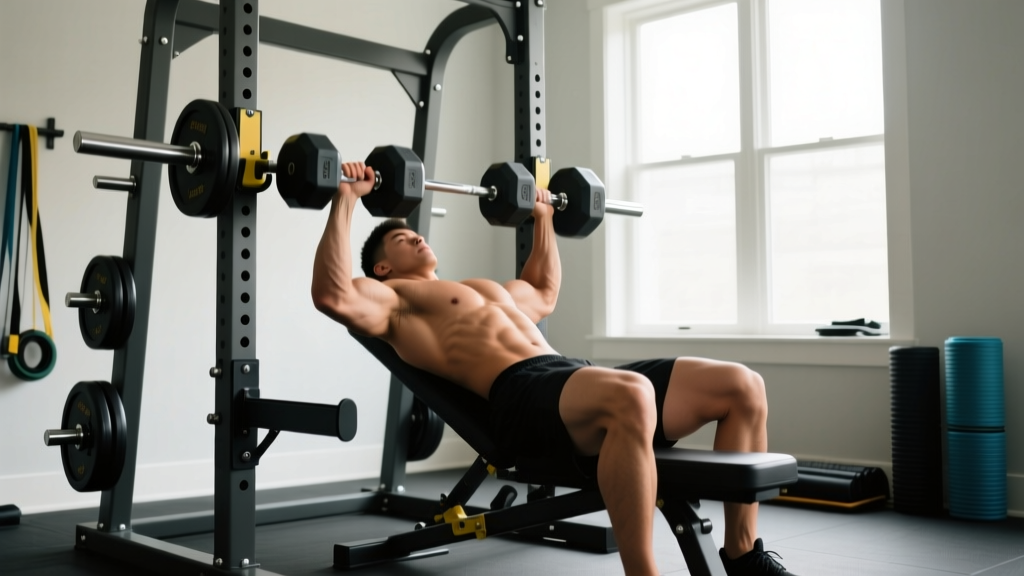
Incline Dumbbell Press for Upper Chest: Rack Setup Mistakes
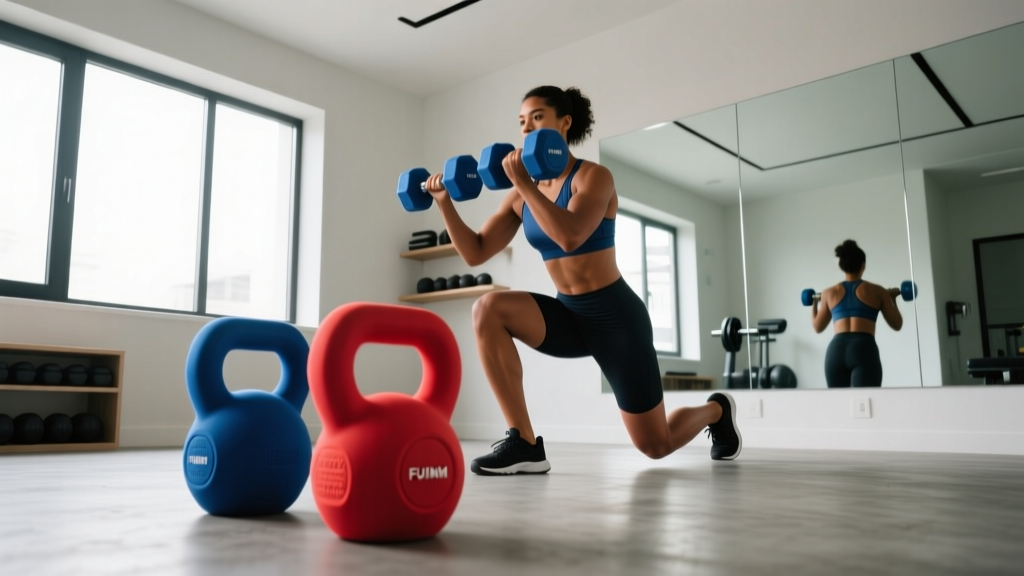
Home Gym Setup: Using Neoprene Dumbbells for Legs Effectively

Olympic vs Standard Plates for Incline Seated Dumbbell Curls

Single Arm Dumbbell Floor Press: Olympic vs Standard Plate Mistakes
