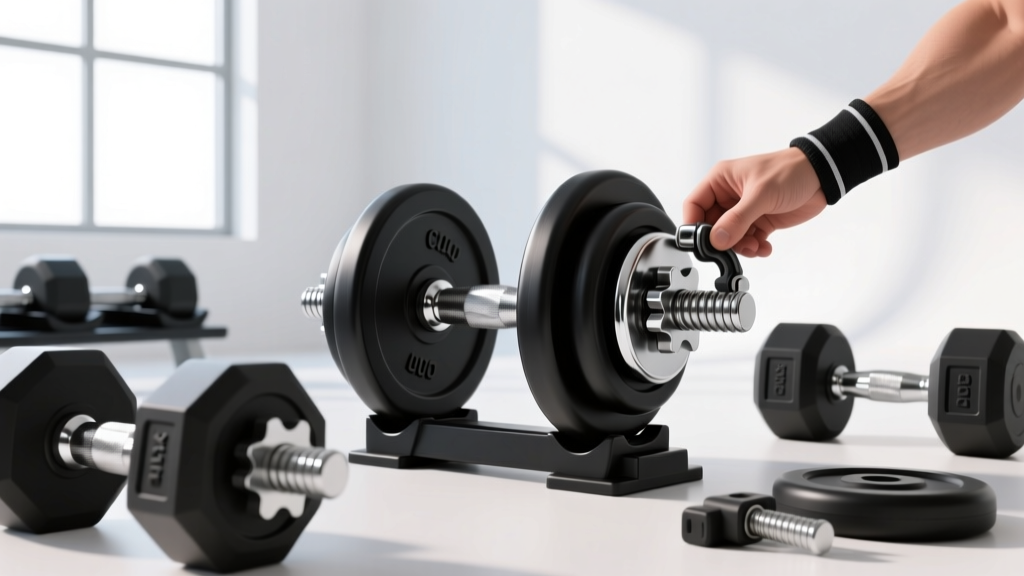
Collar & Clamp Types: Safe Gear for a Full Dumbbell Chest Workout
Compare barbell collars and adjustable dumbbell clamps. Secure your lifts and full dumbbell chest workout with our expert 2026 safety guide.

The Physics of Weight Retention: Why Locking Mechanisms Matter
When building a comprehensive home gym, lifters often obsess over the knurling on their barbells or the urethane coating on their plates. Yet, the most critical safety components are the collars and clamps that keep those weights from sliding off the sleeves. Whether you are loading up an Olympic bar for heavy squats or dialing in adjustable weights for a full dumbbell chest workout, understanding the mechanical differences between external barbell collars and internal dumbbell clamps is non-negotiable for your safety.
A mechanical failure during a heavy incline press or a deep dumbbell flye can result in catastrophic injury. As of 2026, the fitness equipment market offers a wide array of retention systems, ranging from traditional spring clips to advanced friction-based internal clamps. This in-depth buying guide breaks down the engineering, failure modes, and real-world pricing of every major collar and clamp type on the market.
⚠️ Safety Callout: When executing a full dumbbell chest workout, the locking mechanisms are positioned directly over your face, sternum, and throat. Never use adjustable dumbbells with compromised internal clamps, and always perform a lateral shake-test before lifting them into position.External Barbell Collars: The Olympic Standard
Barbell collars are designed to secure 2-inch Olympic plates to the sleeve. The primary metric for evaluating these is lateral holding force—the amount of sideways pressure the collar can withstand before slipping.
1. Spring Clips (The Budget Option)
Spring clips rely on the tension of a steel wire coil. While they are lightweight and cost between $10 and $15 per pair, they are notoriously unreliable for heavy or dynamic lifts.
- Max Lateral Force: ~50 lbs.
- Primary Failure Mode: Metal fatigue. Over 6 to 12 months of daily use, the steel coil loses its tension, resulting in a loose fit that allows plates to clatter and shift.
- Best For: Light accessory work, straight-bar curls, and commercial gym environments where heavy dropping is prohibited.
2. Clamp / Lever Collars (The Heavy-Duty Standard)
Clamp collars use a lever-actuated cam system to bite down on the steel sleeve. According to BarBend's expert testing on barbell collars, high-end clamp collars are the gold standard for powerlifting and Olympic weightlifting.
- Top Model: Rogue HG 2.0 Collars ($35/pair). Crafted from glass-filled nylon, these deliver over 300 lbs of lateral holding force.
- Top Model: Lock-Jaw Pro ($65/pair). Machined from 6061 aircraft aluminum with a TPU lining to protect the barbell sleeve from scratching.
- Primary Failure Mode: Hinge pin shearing under extreme torque (e.g., dropping a barbell from overhead at an angle).
3. Spin-Lock / Threaded Collars
Common on standard 1-inch bars and specialty deadlift bars, spin-lock collars use threaded sleeves and heavy metal nuts. While virtually impossible to slip, they add significant time to plate changes, making them impractical for superset-heavy routines.
Internal Dumbbell Clamps: Securing Your Full Dumbbell Chest Workout
While barbell collars secure external plates, adjustable dumbbells rely on internal clamping mechanisms to connect the handle to the weight trays. If you are running a high-volume full dumbbell chest workout utilizing adjustable sets, the integrity of these internal clamps is your only line of defense against a 50-lb steel block detaching mid-rep.
Based on extensive durability testing by Garage Gym Reviews, here is how the top three internal clamp systems compare in 2026.
PowerBlock: The Pin-Clip Clamp
PowerBlock dumbbells (such as the Elite USA series, retailing around $399) utilize a solid steel pin that passes entirely through the weight stack and the handle. A secondary retaining clip locks the pin in place.
- Security Rating: 10/10. The physical barrier of the steel pin makes lateral slip mechanically impossible unless the pin itself is removed.
- Drawback: The bulky, cage-like handle design can interfere with wrist positioning during deep chest flyes or close-grip neutral presses.
Nuobell: The Friction Twist-Lock
Nuobell ($399/pair) mimics the feel of a traditional fixed dumbbell by using a threaded shaft and a friction-based twist-lock collar at the handle base.
- Security Rating: 7/10. While highly secure when new, the friction ring can degrade if exposed to excessive chalk, sweat, or silicone lubricants.
- Failure Mode: If debris enters the twist-lock housing, the collar may fail to seat fully, leading to a dangerous detachment during overhead or chest movements.
Bowflex SelectTech: The Dial-Clamp Gear
Bowflex uses a plastic internal gear system that clamps onto the weight plates when the dials are turned.
- Security Rating: 6/10. The internal plastic gears are prone to stripping if the dumbbell is dropped on its end.
- Drawback: The plastic housing and internal rattling make them less ideal for heavy, explosive chest movements like dumbbell push-presses.
2026 Comparison Matrix: Collars vs. Internal Clamps
| Mechanism Type | Example Product | Est. Price (2026) | Holding Force | Primary Failure Mode |
|---|---|---|---|---|
| Spring Clip | Generic Chrome Clips | $12 / pair | ~50 lbs | Coil fatigue / slipping |
| Lever Clamp | Rogue HG 2.0 | $35 / pair | 300+ lbs | Hinge pin shearing |
| Aluminum Lock-Jaw | Lock-Jaw Pro | $65 / pair | 350+ lbs | TPU lining wear |
| Internal Pin-Clamp | PowerBlock Elite | $399 / set | Absolute (Pin) | Retaining clip loss |
| Friction Twist-Lock | Nuobell 80lb | $399 / set | High (Friction) | Chalk/debris intrusion |
Note: For official specifications on Olympic collar tolerances and sleeve diameters, refer to the Rogue Fitness HG 2.0 Collar documentation.
Pre-Lift Inspection Protocol for Chest Day
To ensure maximum safety during your next full dumbbell chest workout or heavy barbell bench session, implement this 3-step inspection protocol:
- The Sleeve Wipe: Use a microfiber cloth to wipe down barbell sleeves and dumbbell handles. Microscopic layers of sweat and oil reduce the friction coefficient of clamp collars by up to 40%.
- The Lateral Shake-Test: Before lying back on the bench, hold the dumbbells or barbell out in front of you and shake them violently side-to-side. If you hear a metallic 'clack' from the plates shifting, the collar is not seated properly.
- The Visual Alignment Check: For adjustable dumbbells, visually inspect the gap between the handle base and the weight stack. On Nuobells, the gap must be flush. On Bowflex, ensure the selection dial is fully clicked into the groove, not resting between numbers.
Expert Verdict: Building a Safe Arsenal
Securing your weights is not an area for budget compromises. For your Olympic barbell, invest in a pair of glass-filled nylon lever clamps like the Rogue HG 2.0; they offer the best ratio of price, durability, and lateral holding force.
For your adjustable dumbbells—the primary tool for your full dumbbell chest workout—prioritize mechanical locking over aesthetic design. While friction-based twist-locks offer a traditional feel, the absolute security of a steel pin-clamp system (like PowerBlock) provides unmatched peace of mind when pressing heavy loads directly over your chest and face. Always match your retention hardware to the dynamic forces of your specific training style.
More gear to consider
All reviews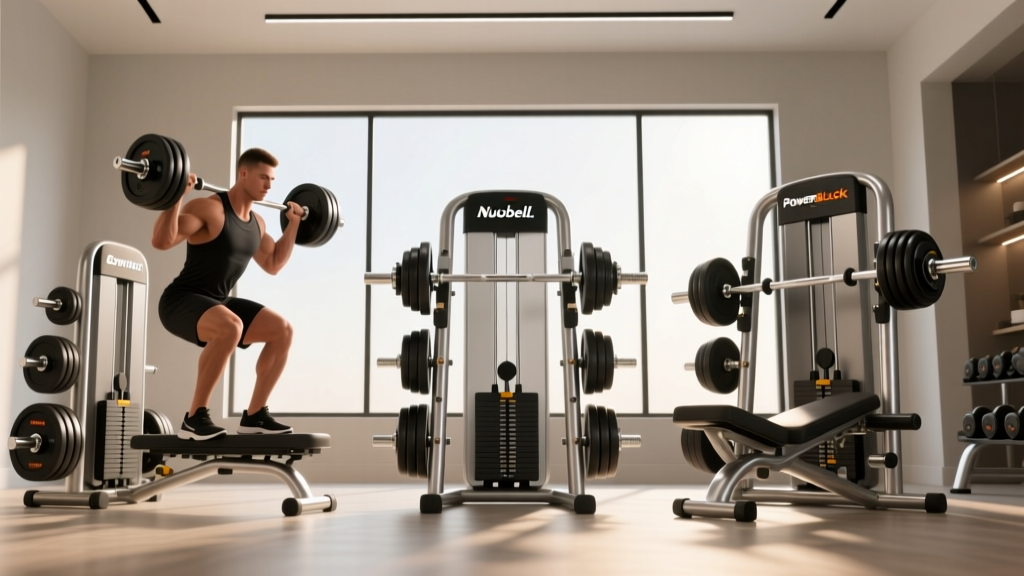
Best Adjustable Weights for a Workout Routine With Dumbbells (2026)

Safe Lower Back Exercise Dumbbell Home Setup Guide

Olympic Barbell Guide: Weight, Knurling & One Dumbbell Rowing Prep
Bumper Plate vs Iron Plate Trends: The 200lb Dumbbell Effect
Upgrade Your Exercise With One Dumbbell: Barbell Knurling & Setup
