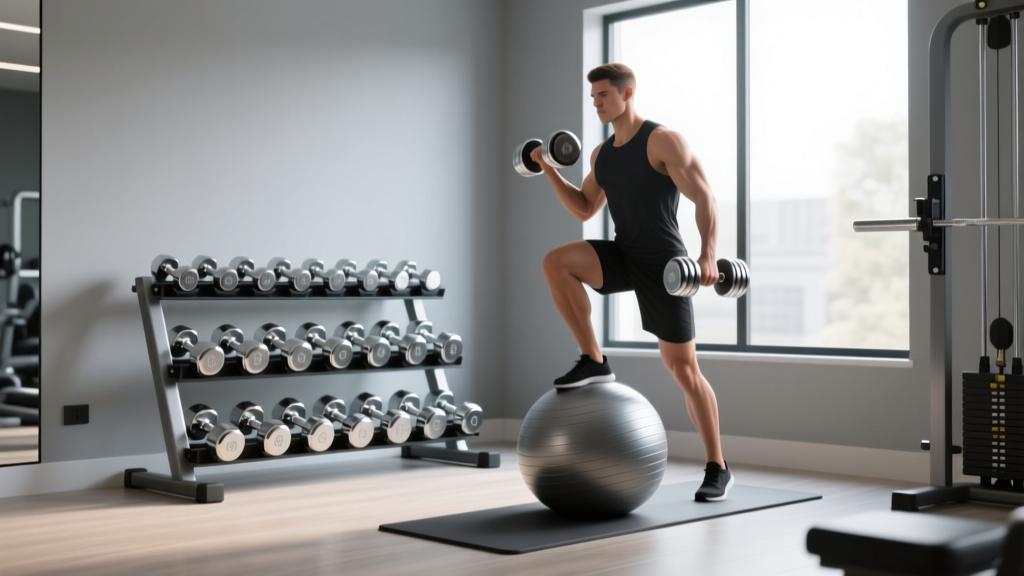
Beyond a Chest Shoulder Tricep Workout with Dumbbells: Barbell Guide
Maxed out your chest shoulder tricep workout with dumbbells? Avoid common buying mistakes with our Olympic barbell weight and knurling troubleshooting guide.

The Dumbbell Ceiling: Why Push Days Demand a Barbell Upgrade
If you have been running a dedicated chest shoulder tricep workout with dumbbells for the past two years, you have likely hit the infamous 'dumbbell ceiling.' Getting 120-pound dumbbells into position for a heavy incline press wastes energy, limits your tricep lockout, and places excessive shear force on your rotator cuffs. Transitioning to an Olympic barbell is the mandatory next step for progressive overload on push days.
However, buying your first (or second) Olympic barbell is fraught with expensive mistakes. Lifters often purchase a bar based solely on the 45-pound weight rating, completely ignoring the knurling profile and tensile strength. In 2026, the market is flooded with sub-par import bars that will permanently bend during heavy floor presses or tear your calluses during high-rep close-grip tricep work. This troubleshooting guide breaks down the exact weight tolerances and knurl specifications you need to avoid common purchasing failures.
'The barbell is the only piece of equipment that physically connects you to the load. If the knurl doesn't match your biomechanical intent, your central nervous system will limit force production to protect your skin and joints.' — Biomechanics and Strength Conditioning Review, 2025
Mistake #1: Ignoring Knurl Aggressiveness on High-Volume Pressing
The most common troubleshooting issue we see at FitGearPulse is lifters complaining of torn skin and grip fatigue halfway through their push-day accessory work. This happens when you buy a barbell with the wrong knurl pattern for a mixed chest, shoulder, and tricep hypertrophy block.
Understanding Knurl Topography
Knurling isn't just 'rough metal.' It is machined into specific geometric patterns, and choosing the wrong one will derail your workout:
- Mountain Knurl (Sharp/Aggressive): Features sharp, pointed peaks. Excellent for heavy, low-rep squats where the bar must bite into your back. Troubleshooting Warning: If you use a mountain knurl bar for high-rep tricep extensions or close-grip bench presses, it will rip your palms open by set three.
- Volcano Knurl (Moderate/Grippy): The peaks are machined flat, creating a crater-like rim that provides immense surface area grip without piercing the skin. This is the gold standard for pressing movements.
- Hill Knurl (Passive): Found on cheap Olympic weightlifting bars. The peaks are rounded off. Troubleshooting Warning: Your hands will slip on heavy overhead shoulder presses when chalk and sweat mix.
Mistake #2: Misunderstanding Shaft Diameter and Whip
When moving from dumbbells to a barbell, your wrists and grip are subjected to a fixed, unified plane of motion. The diameter of the barbell shaft dictates how your wrists stack under heavy loads.
The 29mm vs. 28.5mm Dilemma
Standard powerlifting bars feature a 29mm shaft diameter. This thickness provides maximum rigidity, which is ideal for heavy, low-rep bench pressing because it minimizes the 'whip' (bouncing) off your chest. However, if your push day includes high-rep overhead shoulder presses or narrow-grip tricep work, a 29mm shaft can cause premature forearm fatigue and force your wrists into excessive extension.
The Solution: Look for a multi-purpose bar with a 28.5mm shaft (like the Kabuki Strength Transformer Bar or Rep Fitness EX Bar). This offers a compromise: rigid enough for heavy chest pressing, but thin enough to maintain a secure grip during strict shoulder presses.
Data Matrix: 2026 Barbell Specs for Push Days
To help you troubleshoot your current setup or plan your next purchase, here is a comparison of three industry-standard bars, evaluated specifically for chest, shoulder, and tricep training.
| Barbell Model | Knurl Type | Shaft Diameter | Tensile Strength | Best For | Est. Price (2026) |
|---|---|---|---|---|---|
| Rogue Ohio Power Bar | Volcano (Aggressive) | 29mm | 205,000 PSI | Heavy Bench, Low-Rep Tricep | $395 |
| Rep Fitness EX Bar | Volcano (Moderate) | 28.5mm | 190,000 PSI | Mixed Push Day, Overhead Press | $300 |
| Eleiko IPF Power Bar | Volcano (Refined) | 29mm | 215,000 PSI | Competition Bench, Elite Grip | $950+ |
Source data aggregated from Rogue Fitness and BarBend's Barbell Guide.
Mistake #3: Overlooking Tensile Strength and Yield Points
Weight is weight, right? Wrong. The 'weight' of an Olympic barbell isn't just about the 20kg (44lbs) or 45lbs it weighs on the scale; it is about the tensile strength of the steel alloy, measured in Pounds per Square Inch (PSI).
The Failure Mode of Low-PSI Bars
Budget bars found on big-box retail sites often boast a tensile strength of 165,000 PSI or lower. When you are performing heavy tricep floor presses or fail a heavy bench press rep and have to dump the bar back onto the J-cups from a height, a sub-180k PSI bar will experience plastic deformation. This means it will permanently bend. Once a bar bends even 2 millimeters, it will wobble violently during overhead shoulder presses, creating a massive safety hazard.
⚠️ Troubleshooting Warning: The Spin Test
If your current barbell wobbles during strict overhead presses, perform a spin test. Load one side with a 45lb plate and spin it. If the shaft visibly oscillates or the sleeves grind loudly, the steel has yielded or the bushings/bearings are blown. It is time to retire the bar to prevent wrist injuries.
Troubleshooting Your Push Day: Symptom & Solution Guide
Use this quick-reference diagnostic tool to identify what is wrong with your current barbell setup based on your push-day symptoms.
- Symptom: Bar slips on close-grip tricep presses despite heavy chalk use.
Diagnosis: Your bar has a passive 'hill' knurl or the knurl is clogged with dead skin and chalk.
Solution: Scrub the knurl with a brass wire brush and nylon bristle brush. If the knurl is inherently passive, upgrade to a bar with a volcano knurl profile. - Symptom: Wrist pain and grip fatigue on high-rep dumbbell-style barbell overhead presses.
Diagnosis: You are using a stiff 29mm powerlifting bar.
Solution: Switch to a 28mm Olympic weightlifting bar or a 28.5mm multi-purpose bar to allow better wrist stacking and grip closure. - Symptom: The bar aggressively scrapes your chest skin during the bench press setup.
Diagnosis: The center knurl is too sharp (mountain profile).
Solution: Look for a bar with a 'passive center knurl' or a smooth center ring, which provides tactile feedback for alignment without acting like a cheese grater on your sternum.
Final Verdict: Protecting Your Investment
Leaving the chest shoulder tricep workout with dumbbells behind is a major milestone in your lifting career. It unlocks absolute load potential and stabilizes your pressing mechanics. However, your progress is only as good as the steel in your hands. Prioritize a minimum of 190,000 PSI tensile strength to prevent bending, and select a volcano knurl pattern to maximize grip without sacrificing your skin on high-volume tricep and shoulder accessories. Treat your barbell with respect—store it indoors, wipe down the sweat after heavy push days, and it will outlift you for decades.
More gear to consider
All reviews
Home Gym Setup: Olympic Barbells & Delt Workouts With Dumbbells
Troubleshoot the Average Dumbbell Shoulder Press: Adjustable Dumbbells
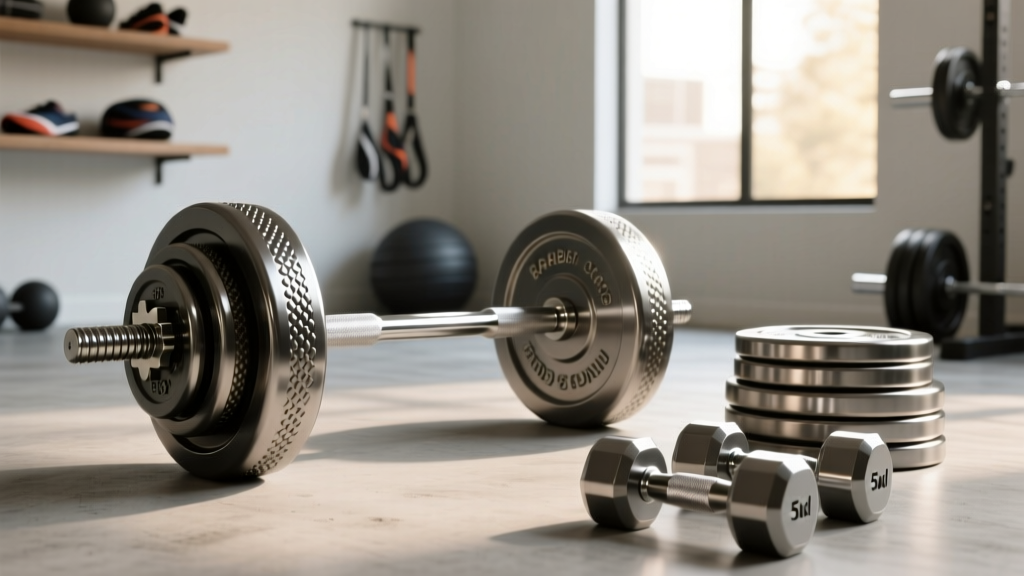
Beyond 5 Pound Dumbbell Exercises: Barbell Weight and Knurling
Power Rack vs Squat Stand: Dumbbell Hammer Curl to Press Guide

Barbell Collar and Clamp Comparison: Biceps Workouts with Dumbbells