
Cast Iron vs Competition Kettlebells: The Red Dumbbell Trend
Analyze the 2026 kettlebell market: cast iron vs competition specs, pricing, and how the viral red dumbbell aesthetic trend is reshaping buyer choices.

The 2026 Free Weight Market: Where Aesthetics Meet Sport Standards
The fitness equipment market has undergone a fascinating behavioral shift over the last 24 months. In 2024 and 2025, industry analysts noted a massive spike in consumer searches for the "red dumbbell"—a symptom of the broader home-gym color-coordination trend driven by social media aesthetics. Buyers no longer wanted mismatched, raw iron cluttering their living spaces; they wanted cohesive crimson, matte red, or burgundy setups that matched their interior design. As we navigate 2026, this aesthetic demand has heavily influenced the cast iron kettlebell market, with manufacturers introducing premium color-coated lines to match these curated spaces.
However, this consumer-driven aesthetic trend clashes fascinatingly with the competition kettlebell market. In the realm of kettlebell sport, color is not an aesthetic choice; it is a strictly regulated, universal language denoting exact weight increments. For the modern consumer, understanding the divergence between cast iron and competition kettlebells—and how market trends are altering manufacturing priorities—is critical before dropping $150 to $400 on a single piece of iron.
Market Insight: According to comprehensive equipment testing and market analysis by Garage Gym Reviews, the demand for color-matched home gym equipment has forced traditional cast iron manufacturers to expand their powder-coat colorways, while competition bell makers remain strictly bound by international sport federation regulations.
Cast Iron Kettlebells: The Aesthetic & Functional Workhorse
Cast iron kettlebells are the undisputed standard for general fitness, CrossFit, and home gym owners. They are cast as a single, solid piece of iron (or steel), meaning the physical dimensions of the bell scale proportionally with the weight. A 12kg cast iron bell will be noticeably smaller than a 32kg bell.
The "Red Dumbbell" Effect on Cast Iron Manufacturing
To satisfy the viral "red dumbbell" aesthetic trend, premium brands like Kettlebell Kings and Rogue have expanded their cast iron finishing options. In 2026, you are no longer limited to raw iron or basic black enamel. Manufacturers are now utilizing advanced electrostatic powder coating in matte reds and deep crimsons.
- E-Coat (Electrophoretic Coating): A micro-thin layer that protects against rust while preserving the aggressive texture of the raw iron handle. Best for chalk users.
- Powder Coat (5-15 mils thickness): Highly durable and available in trend-driven colors like matte red. However, cheaper manufacturers often apply powder coat too thickly, filling in the handle texture and creating a slick, dangerous surface during high-rep snatches.
Pricing Analysis: The 2026 market average for premium cast iron kettlebells hovers between $1.60 and $2.20 per pound. A high-quality 16kg (35lb) cast iron bell will typically cost between $75 and $95, depending on the finish and brand prestige.
Competition Kettlebells: Standardized for the Sport
Competition kettlebells are engineered for Kettlebell Sport (Girevoy Sport), where athletes perform high-rep, endurance-based sets like the long cycle and jerk. The defining feature of a competition bell is dimensional uniformity. Regardless of whether the bell weighs 8kg or 32kg, the physical size, handle diameter, and horn spacing remain exactly the same.
Sport Federation Color Coding vs. Aesthetic Trends
While the home gym market wants a "red dumbbell" or red kettlebell purely for visual appeal, the International Kettlebell Sport Federation (IKSF) mandates strict color-coding for competition bells to allow judges and athletes to instantly identify weights on the platform.
Official IKSF Color Standards:- White: 8 kg
- Pink: 12 kg
- Yellow: 16 kg (Note: Some older federations used Red for 16kg, but Yellow is the modern standard for 16kg in many circuits, while Red often denotes 32kg or specific Masters categories depending on the exact rulebook year).
- Green: 24 kg
- Red: 32 kg
Because of this, buying a "red" competition bell means you are buying a massive 32kg (70lb) piece of steel, not an aesthetic choice for a lightweight warm-up bell.
Pricing Analysis: Competition bells are constructed from a hollow steel shell, often filled with an internal weighting agent to achieve the exact mass while maintaining the uniform outer dimensions. Due to this complex manufacturing process, they command a premium, averaging $2.80 to $3.50+ per pound. A single 24kg competition bell will easily exceed $160.
Market Comparison Matrix: Cast Iron vs. Competition
| Feature | Cast Iron Kettlebell | Competition Kettlebell |
|---|---|---|
| Material | Solid cast iron / steel | Hollow steel shell, weighted core |
| Dimensions | Scales with weight | Uniform across all weights (IUF/IKSF standard) |
| Handle Diameter | Varies (30mm - 40mm+) | Strictly 35mm |
| Base Shape | Rounded, varies by brand | Flat, wide, rectangular/square |
| Primary Use | Grinds, CrossFit, general fitness | High-rep ballistic sport, jerk, long cycle |
| 2026 Avg Cost | $1.60 - $2.20 / lb | $2.80 - $3.50+ / lb |
| Color Options | Aesthetic (Matte Red, Black, Raw) | Strict Sport Weight Coding |
Biomechanics: Handle Geometry and the Front Rack Position
Industry analysts at BarBend frequently highlight that the most critical difference between these two styles lies in the horn spacing (the gap between the handle and the body of the bell) and the bell's window size. This directly impacts the "rack position"—the resting point on the forearm during cleans and front squats.
The Cast Iron Rack Experience
Because cast iron bells grow larger as they get heavier, the horn spacing on a 24kg or 32kg cast iron bell is quite wide. This allows the bell to rest comfortably against the meat of the forearm and bicep without crushing the wrist. However, for smaller-framed athletes, a heavy cast iron bell can feel unwieldy and awkward to maneuver during double-kettlebell front squats due to its sheer physical bulk.
The Competition Rack Experience
Competition bells feature a tighter horn spacing and a more rectangular, boxy base. This design allows the bell to sit securely on the chest and forearm, creating a highly stable "shelf" for endurance sets. The 35mm handle is universally optimized for the "hook grip" used in kettlebell sport. However, athletes with thick, muscular forearms often report that the tight window of a competition bell can cause severe wrist bruising and bone-on-bell impact during heavy, low-rep grinds like the Turkish Get-Up or heavy strict presses.
2026 Purchasing Framework: Which Should You Buy?
To make a data-driven purchasing decision, align your choice with your specific training modalities and environmental constraints.
Buy Cast Iron If:
- You train for CrossFit or General Strength: The varied handle thicknesses and wider horns are better suited for heavy, low-rep grinds (e.g., 5-rep max strict presses, heavy goblet squats).
- Aesthetics Matter: You want to capitalize on the "red dumbbell" trend and curate a visually cohesive, color-matched home gym environment without being forced into a 32kg weight just to get a red bell.
- Budget is a Priority: You are outfitting a full gym and need to keep the cost-per-pound under $2.00.
Buy Competition If:
- You Practice Kettlebell Sport: If you are training for the jerk, snatch, or long cycle, the uniform 35mm handle and consistent dimensions are non-negotiable for building neurological consistency.
- You Focus on High-Rep Ballistics: The 35mm handle and smooth powder coat are ideal for thousands of reps where grip endurance and skin preservation are paramount.
- You Have a Dedicated Studio Space: The uniform sizing allows for perfectly aligned, stackable storage solutions that appeal to commercial studio owners.
Edge Cases and Real-World Failure Modes
As a final note on market quality, beware of the "aesthetic trap" currently flooding third-party marketplaces. Driven by the demand for colorful home gym gear, many overseas manufacturers are producing cheap, enamel-painted cast iron bells in bright reds and golds. These paints lack the structural integrity of electrostatic powder coating. Within 3 to 6 months of heavy use, the enamel will chip, flake into your flooring, and expose the raw iron to rapid oxidation (rust). Always verify that a colored cast iron bell utilizes a powder-coat or e-coat finish, and avoid glossy enamel paints at all costs.
Ultimately, whether you are chasing the aesthetic perfection of a color-coordinated home gym or the rigid, standardized performance required for the competition platform, understanding the metallurgy, geometry, and market pricing of 2026 ensures your investment will withstand years of heavy abuse.
More gear to consider
All reviews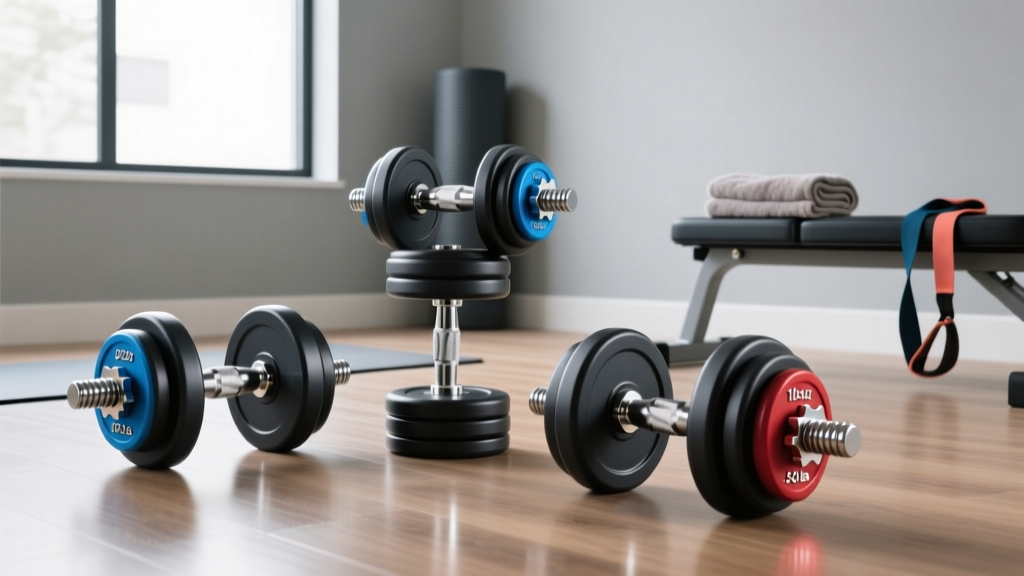
Best Adjustable Dumbbells for Dumbbell Pushups & Lifts (2026)

Power Rack vs Squat Rack vs Stand: Single Dumbbell Row Setups (2026)

Plate Care: Bumper vs Iron for Barbell or Dumbbell Bench Press

EZ Curl Bar vs Straight Bar & Dumbbell Shrugs Traps Guide

York Dumbbell Review: Rubber Hex vs Urethane Weights
