Kettlebell Care for the Bentover Dumbbell Row: Cast Iron vs Comp
Discover how to maintain cast iron and competition kettlebells for high-volume bentover dumbbell row variations, ensuring rust-free longevity and grip integrity.

The Biomechanical Toll of Back Training on Free Weights
When programming back hypertrophy and strength, the traditional bentover dumbbell row is an undisputed staple. However, to overcome plateaus and exploit a deeper latissimus dorsi stretch, many strength coaches and athletes supplement or substitute this movement with single-arm kettlebell rows, heavy gorilla rows, or renegade rows. While the biomechanics of the kettlebell row closely mirror the bentover dumbbell row, the equipment itself faces a drastically different environmental reality.
During high-volume back training, your hands generate immense friction, heat, and sweat. Lifters frequently rely on magnesium carbonate (gym chalk) to maintain a secure grip on the bell's horns. This combination of acidic sweat (which typically registers a pH between 4.5 and 7.0), abrasive chalk, and the occasional drop onto a rubber mat creates a highly corrosive environment for your equipment. If you are investing in free weights for your home or commercial gym in 2026, understanding the metallurgical differences between cast iron and competition kettlebells—and how to maintain them—is critical for long-term longevity.
Cast Iron Kettlebells: Porous Realities and Coating Failures
Cast iron kettlebells are manufactured by pouring molten iron into molds. Because the casting process can leave microscopic air bubbles and surface imperfections, manufacturers apply protective coatings. The two most common are powder coating and e-coating (electrophoretic deposition).
The E-Coat Advantage and Vulnerability
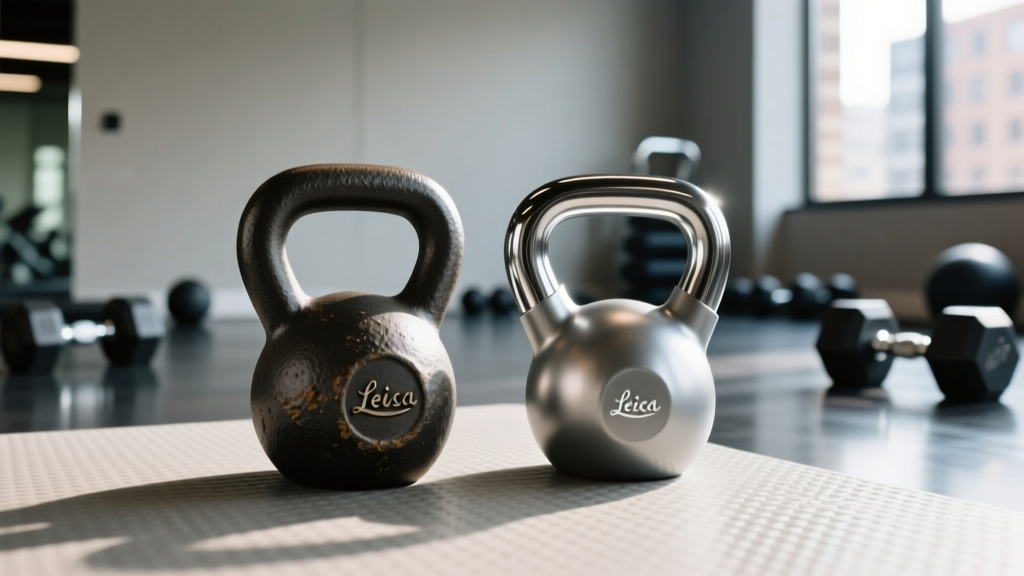
Premium brands like Rogue Fitness and Rep Fitness utilize e-coating, a process that uses an electrical current to deposit a thin, uniform layer of paint. E-coat finishes are incredibly durable and preserve the tactile texture of the iron handle, which is vital when your grip is failing on the final reps of a heavy rowing superset. However, e-coat is thin. If you habitually drop your kettlebells onto concrete or poorly matted floors after a set of rows, the coating will chip. Once the bare iron is exposed to ambient humidity, oxidation begins within 48 hours.
The Powder Coat Dilemma
Powder-coated bells feature a thicker, baked-on resin. While highly resistant to chipping, powder coating tends to fill in the natural texture of the iron, resulting in a slicker handle. When performing a unilateral row, a slick handle forces you to squeeze harder, accelerating forearm fatigue and increasing sweat transfer. Furthermore, chalk tends to cake into the microscopic pores of cheaper powder coats, creating a hardened, abrasive crust that degrades the finish over time.
Expert Warning: The Horn Crevice Failure ModeThe most common point of failure on cast iron bells is the inner curve of the horns. During a bentover row, your fingers press deeply into this crevice, depositing sweat and chalk. If not aggressively brushed out, this mixture forms a mildly acidic paste that eats through the coating from the inside out, leading to structural pitting.
Competition Kettlebells: Steel Shell Vulnerabilities
Competition kettlebells are engineered for uniformity. Whether you are lifting a 12kg or a 32kg bell, the dimensions remain exactly the same: 355mm in height, 203mm in width, and 280mm in depth. Constructed from a hollow steel shell filled with scrap metal or iron shot to achieve the target weight, competition bells are painted with vibrant color codes.
The primary maintenance concern with competition bells is the handle. To ensure optimal grip for high-rep ballistic and grinding movements, competition handles are typically left as bare, polished steel or treated with a very light anti-corrosive wash. Bare steel is highly susceptible to flash rust. If you perform a heavy set of single-arm rows in a humid garage gym and leave the bell un-wiped, you will notice a distinct orange hue on the handle by the next morning.
Additionally, the painted steel body of a competition bell is prone to chipping if it strikes another bell or a hard surface. Unlike cast iron, where a chip leads to rust, a chip in a competition bell's body is primarily a cosmetic issue, though it can expose the inner steel shell to moisture if the scratch is deep enough.
Head-to-Head Maintenance Matrix
To help you decide which bell type aligns with your maintenance bandwidth and training style, refer to the comparison matrix below. Pricing reflects average 2026 market rates for a standard 24kg bell.
| Feature | Cast Iron (E-Coat) | Competition (Steel) |
|---|---|---|
| Handle Material | Textured E-Coat over Iron | Bare / Polished Steel |
| Handle Diameter | ~33mm (Varies by brand) | 35mm (Standardized) |
| Rust Susceptibility | Moderate (If chipped) | High (Bare steel handle) |
| Chalk Removal | Stiff Nylon / Brass Brush | Damp Microfiber Cloth |
| Avg. Cost (24kg) | $110 - $140 | $170 - $210 |
For deeper insights into the manufacturing differences between these two styles, industry authorities like Kettlebell Kings and BarBend offer extensive breakdowns on how the internal filling and external coatings dictate the lifespan of the equipment.
Step-by-Step Post-Row Restoration Protocol
Regardless of whether you prefer the compact feel of cast iron or the standardized geometry of competition bells, implementing a strict post-workout maintenance routine is non-negotiable for equipment longevity. Follow this protocol immediately after your back and row sessions.
Step 1: Mechanical Chalk Extraction
Do not use a wire brush on competition bells or e-coated cast iron; steel bristles will scratch the finish and accelerate oxidation. Instead, use a stiff nylon brush or a dedicated brass-bristle brush. Vigorously scrub the inner horns and the knurling (if present) to dislodge compacted magnesium carbonate. Chalk is hygroscopic, meaning it pulls moisture from the air and holds it directly against the metal.
Step 2: Neutralize and Wipe
Sweat contains urea, sodium chloride, and lactic acid. Wiping the handle with a dry towel merely smears these corrosive salts into the metal's pores. Mix a 50/50 solution of distilled water and white vinegar in a spray bottle. Lightly mist a microfiber cloth (never spray the bell directly) and wipe down the handle and horns. The mild acidity of the vinegar neutralizes the alkaline salts left behind by sweat and chalk.
Step 3: Hydration and Sealing
Once the bell is completely dry, apply a protective barrier. For bare steel competition handles and exposed cast iron, use a high-quality food-grade mineral oil or a specialized tool oil like 3-IN-ONE. Apply three drops to a clean cloth and buff it into the handle. Never use standard WD-40; it is a solvent and water displacer, not a long-term lubricant, and it will leave a sticky residue that attracts dust and dirt.
"The lifespan of a kettlebell handle isn't determined by the weight it lifts, but by the moisture it endures. A well-oiled competition bell handle will develop a beautiful, dark patina over years of use, whereas a neglected one will pit and degrade in a single humid summer." — Equipment Maintenance Guidelines, Garage Gym Reviews
Environmental Controls for Garage Gyms
Equipment maintenance extends beyond the physical bell. If you train in a garage gym or an unclimate-controlled space, ambient humidity is your greatest enemy. In 2026, smart home hygrometers are incredibly affordable. Monitor your gym's relative humidity; if it consistently exceeds 60%, your bare steel competition handles will flash-rust overnight, even without direct sweat contact.
Invest in a commercial-grade dehumidifier for your training space, or store your kettlebells on a raised, powder-coated steel rack rather than directly on a concrete floor. Concrete is porous and wicks moisture from the ground up, creating a micro-climate of humidity at floor level that will rust the flat bases of your cast iron bells over time. By controlling the environment and respecting the metallurgical realities of your gear, you ensure that your equipment remains as reliable as your dedication to the bentover dumbbell row and its kettlebell variations.
More gear to consider
All reviews
EZ Curl Bar vs Straight Bar & Dumbbell Lateral Raises GIF Guide

EZ Curl Bar vs Straight Bar: Space-Saving Bowflex Dumbbell Workouts
Mastering Full Body Weight Training With Dumbbells: Loadable Picks

Barbell Buying Guide: Weight, Knurling & Dumbbell Spotting
Dumbbell Push Pull Legs: Rubber Hex vs Urethane 2026 Market Trends