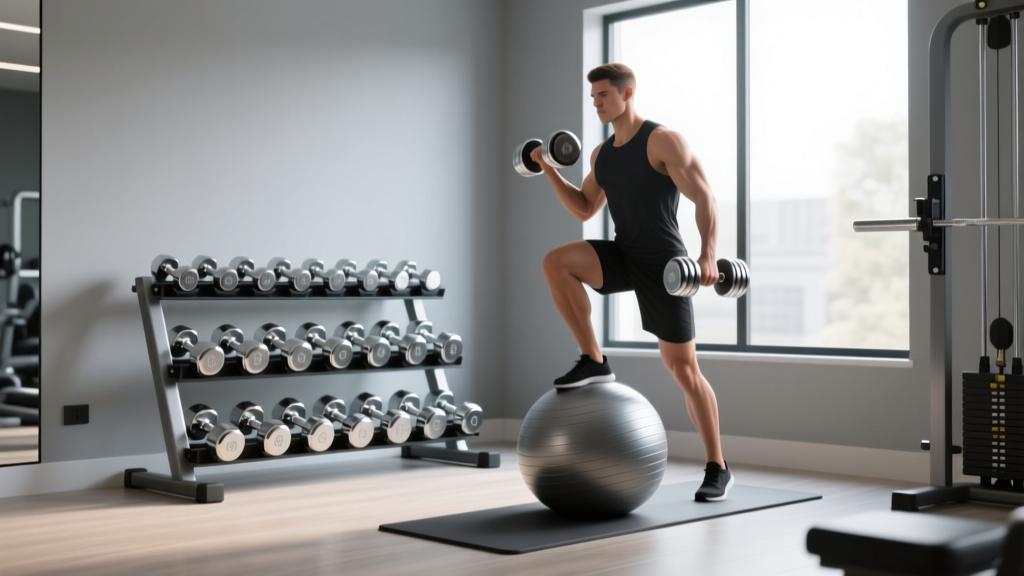
Bumper vs Iron Plate Longevity: Can I Buy Dumbbells With HSA?
Compare bumper vs iron plate maintenance and longevity. Plus, learn the IRS rules on whether you can buy dumbbells with HSA funds for your home gym.

The Material Science: Bumper vs. Iron Plate Degradation
When building a home gym, the debate between bumper plates and cast iron plates usually centers on noise and drop-safety. However, from a maintenance and longevity perspective, these two materials age in radically different ways. Understanding the failure modes of virgin rubber versus machined steel is critical for protecting your investment over a 10-to-15-year lifecycle.
Bumper plates, typically rated between 85 and 90 on the Shore A durometer scale, are susceptible to environmental degradation. Cast iron and machined steel plates, on the other hand, are virtually immune to UV damage but are highly vulnerable to oxidation and humidity fluctuations. Below is a breakdown of how these materials degrade over time.
| Material Type | Expected Lifespan | Primary Failure Mode | Maintenance Frequency |
|---|---|---|---|
| Virgin Rubber Bumper | 7–12 Years | UV dry-rot, hub separation | Bi-annual conditioning |
| Crumb Rubber Bumper | 3–5 Years | Edge chunking, permanent deformation | Monthly visual inspection |
| Enameled Cast Iron | 15+ Years | Enamel chipping, flash rust | Annual touch-up |
| Machined Steel (Urethane Coated) | 20+ Years | Urethane peeling, hub wear | Minimal (Wipe down only) |
Bumper Plate Maintenance: Fighting UV and Hub Separation
If you train in a garage gym with direct sunlight or high ambient temperatures, bumper plates require a proactive maintenance routine. The most common point of failure for high-end bumpers (like the Rogue Echo or Black Hole series) is not the rubber itself, but the center steel hub separating from the rubber matrix due to repeated high-impact drops and thermal expansion.
Step-by-Step Bumper Care Protocol
- UV Protection: Apply a UV-blocking rubber protectant, such as 303 Aerospace Protectant, every six months. This prevents the vulcanized rubber from turning gray and developing micro-fissures.
- Hub Torque Checks: Many competition and training bumpers use a hex-bolt or flange system to secure the center hub. Use a torque wrench to check these hubs annually, tightening to the manufacturer's specification (usually between 40–60 Nm).
- Storage Alignment: Never store bumpers flat on the ground for extended periods. The continuous pressure on one edge will cause 'flat-spotting' and permanent ovalization. Always store them vertically on a weight tree.
Expert Insight: Avoid using petroleum-based cleaners like WD-40 or Armor All on bumper plates. Petroleum distillates break down the sulfur bonds in vulcanized rubber, accelerating dry-rot and voiding most manufacturer warranties.
Iron Plate Longevity: The War on Oxidation
Cast iron and machined steel plates are the gold standard for longevity, provided you manage your gym's humidity. Uncoated or lightly coated iron plates (like traditional Olympic circles) will develop flash rust within 48 hours if exposed to environments with a relative humidity (RH) above 60%.
Restoring and Protecting Iron Plates
- Surface Rust Removal: For light oxidation, use a brass wire brush attached to a cordless drill. Brass is softer than steel and will remove rust without scoring the machined surface of the plate.
- Deep Pitting Treatment: If the plate has deep rust pits, soak the affected area in white vinegar for 12–24 hours, neutralize with a baking soda paste, and scrub.
- Protective Coating: After cleaning, apply a micro-thin layer of 3-IN-ONE Multi-Purpose Oil or a specialized carnauba barbell wax. Wipe off all excess with a microfiber cloth to prevent a sticky residue that attracts dust and chalk.
Environment Control Metric
To guarantee the lifespan of bare or enameled iron plates, invest in a digital hygrometer. Keep your gym space between 40% and 50% RH. If humidity consistently spikes above 55%, switch to urethane-coated iron plates or invest in a commercial-grade dehumidifier.
Financial Fitness: Can I Buy Dumbbells With HSA?
A frequent question we receive in our 2026 home gym financial guides is: can I buy dumbbells with HSA (Health Savings Account) funds to offset these initial equipment costs? The short answer is: generally no, but with specific medical exceptions.
According to IRS Publication 502, expenses for general health, wellness, and fitness are not considered qualified medical expenses. Therefore, buying a set of adjustable dumbbells or a rack of bumper plates purely for general fitness, weight loss, or bodybuilding will trigger tax penalties if paid for with pre-tax HSA dollars.
The Letter of Medical Necessity (LMN) Exception
You can use HSA funds to purchase free weights, including dumbbells and plates, if they are prescribed to treat a specific, diagnosed medical condition. To do this legally, you must obtain a Letter of Medical Necessity (LMN) from a licensed physician.
- Qualifying Scenarios: Physical therapy rehabilitation following a severe injury, prescribed resistance training for clinical sarcopenia (muscle wasting), or specific orthopedic rehab protocols.
- Non-Qualifying Scenarios: General weight management, stress relief, cardiovascular health improvement, or athletic performance.
- Documentation: You must keep the LMN and your itemized receipts on file for at least three years in case of an IRS audit. The LMN must explicitly state the diagnosis and how the specific equipment (e.g., 'neoprene dumbbells for grip-strength rehab') treats it.
For more detailed guidance on qualifying medical expenses, refer to Healthcare.gov or consult a tax professional regarding your specific HSA plan administrator's requirements.
10-Year Cost of Ownership Analysis
When deciding between bumpers and iron, look beyond the sticker price. Here is a projected 10-year cost of ownership for a standard 260 lb plate set (pairs of 45s, 25s, 10s, and 5s) in a moderate-humidity garage gym.
| Cost Factor | Virgin Rubber Bumpers | Machined Iron / Urethane |
|---|---|---|
| Initial Upfront Cost | $450 - $650 | $550 - $850 |
| Maintenance Supplies (10 Yrs) | $60 (UV Protectant) | $40 (Oil/Wax/Rust Remover) |
| Replacement / Refurbishment | $120 (Hub re-seating / Edge patch) | $0 |
| Total 10-Year Cost | $630 - $830 | $590 - $890 |
| Resale Value (Year 10) | 30% - 40% of initial | 60% - 75% of initial |
Final Verdict: Matching Plates to Your Environment
The choice between bumper and iron plates ultimately comes down to your training style and your gym's physical environment.
If your routine involves high-volume Olympic lifts, CrossFit-style dropping, and you train in a climate-controlled indoor space, virgin rubber bumper plates are the superior choice. Their maintenance is minimal, provided you keep them out of direct sunlight.
If you are a powerlifter, bodybuilder, or general strength trainee who rarely drops weights from overhead, and you train in a garage with fluctuating humidity, machined iron or urethane-coated plates offer vastly superior longevity. They require a bit more elbow grease to prevent rust, but their structural lifespan and high resale value make them the ultimate generational investment for your home gym.
More gear to consider
All reviews
Prostyle Dumbbells & Barbell Collars: Clamp Types Compared

Olympic vs Standard Plates: Pairing with SelectTech 552 Dumbbells
Adjustable Dumbbell Review: Fix Your Dumbbell Chest Workout Routine

Olympic Barbell Knurling & Setup for Proper Dumbbell Curl Form
Best Adjustable Dumbbells for Deltoid Muscle Exercises (2026)