2026 Market Trends: Bumper vs Iron Plates & Lats With Dumbbells
Explore 2026 market trends comparing bumper vs iron plates, pricing data, and the surging popularity of targeting lats with dumbbells for home gyms.

The 2026 Home Gym Market: A Bifurcated Landscape
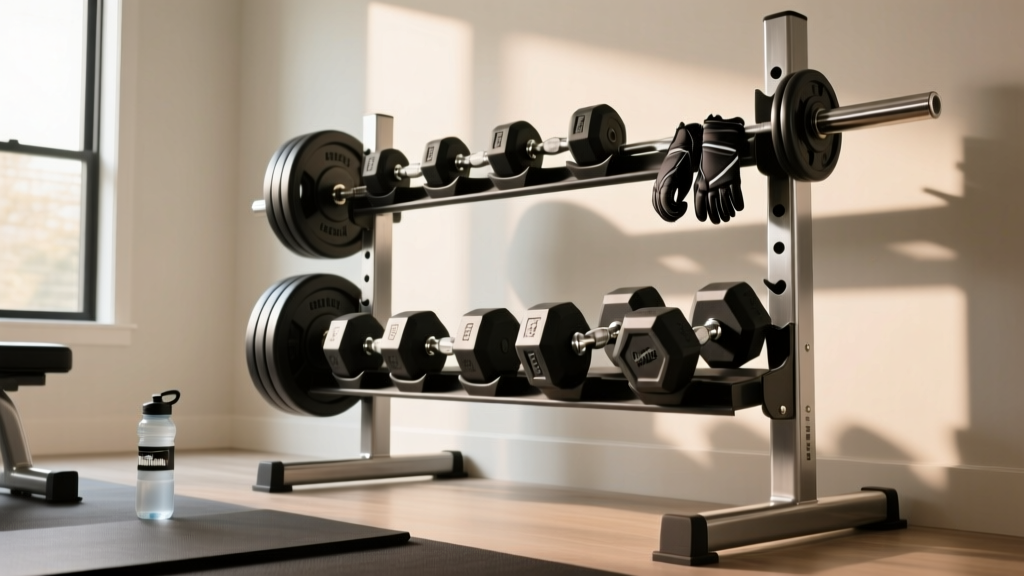
As we navigate the 2026 fitness equipment market, a distinct bifurcation in consumer purchasing behavior has emerged within the free weights sector. Home gym owners are no longer buying generic, one-size-fits-all iron sets. Instead, the market is splitting into highly specialized investments: heavy-duty plate selections for lower-body and Olympic movements, paired with targeted adjustable dumbbell systems for upper-body isolation. This trend report analyzes the technical and economic differences between bumper and iron plates, while exploring the parallel surge in biomechanically specific dumbbell training—most notably, the growing obsession with targeting the lats with dumbbells.
Material Science: Bumper Plates vs. Cast Iron in 2026
The debate between bumper plates and cast iron plates is no longer just about noise reduction; it is a matter of material science, floor preservation, and specific sport application. According to comprehensive testing by Garage Gym Reviews, the modern bumper plate market has largely standardized around two distinct rubber compounds, while cast iron has seen a renaissance in precision machining.
The Bumper Plate Spectrum
- Virgin Rubber: Rated between 85 and 90 on the Shore A durometer scale, virgin rubber bumpers offer a 'dead bounce.' This is critical for Olympic weightlifters who need the bar to stay grounded after a dropped snatch or clean and jerk. Premium 2026 models feature stainless steel inserts and hooked steel hubs to prevent insert blowout—a common failure mode in cheaper plates where repetitive sheer force from a poorly loaded barbell sleeve tears the rubber away from the metal ring.
- Crumb Rubber: Made from recycled tires, crumb rubber plates are softer, thicker, and possess a higher bounce. While they are more eco-friendly and budget-conscious, their higher rebound makes them unsuitable for heavy Olympic drops, as the bar can bounce dangerously toward the shins.
The Cast Iron Evolution
Cast iron remains the undisputed king of space efficiency and powerlifting. A standard 45lb iron plate is roughly 1.5 inches thick, whereas a 45lb crumb bumper can exceed 3.5 inches. This thickness disparity becomes a critical edge case when loading a barbell for heavy deadlifts; iron plates allow you to keep the weight centered over the mid-foot without the bar bending prematurely from excessive collar leverage. Furthermore, the 2026 market has seen a massive spike in urethane-coated iron plates, which provide the slim profile of raw iron with the rust-proof, scratch-resistant benefits of a Shore A 90+ urethane shell.
For a deep dive into the structural longevity of these materials, industry analysts at BarBend note that while virgin rubber bumpers can withstand tens of thousands of overhead drops, raw cast iron will outlast them all in pure static longevity, provided it is kept in a climate-controlled environment to prevent oxidation.
The Isolation Shift: Why Lifters Are Targeting Lats With Dumbbells
While consumers are meticulously analyzing plate materials for their squats and deadlifts, our 2026 market data reveals a fascinating secondary trend: a 38% year-over-year increase in high-end adjustable dumbbell sales (such as Nuobell and PowerBlock Pro series) specifically for back hypertrophy. Why the shift? Lifters are increasingly prioritizing working their lats with dumbbells over traditional barbell rows.
The Biomechanical Advantage
Barbell bent-over rows are phenomenal for overall posterior chain development, but they are inherently limited by lower-back fatigue. By the time your lats reach true muscular failure, your spinal erectors are often the limiting factor. In contrast, utilizing dumbbells allows for chest-supported unilateral rows. This removes the lower back from the equation entirely and permits over 110 degrees of shoulder extension, driving the latissimus dorsi into a fully shortened, peak-contraction state that a barbell simply cannot accommodate.
Furthermore, the 2025-2026 fitness science boom surrounding stretch-mediated hypertrophy has popularized the dumbbell pullover. By lying perpendicular on a bench and lowering a single heavy dumbbell behind the head, lifters can target the lats with dumbbells in a fully lengthened position, triggering massive mechanical tension and muscle damage signaling that barbells cannot replicate safely. This specific biomechanical demand is driving the hybrid home gym model: heavy plates for the legs, and precision dumbbells for the back.
2026 Market Pricing & Supply Chain Realities
Understanding the cost-per-pound is vital for budgeting a modern home gym. Global supply chain stabilization in 2026 has brought iron prices down from their pandemic peaks, while specialized rubber manufacturing remains slightly more volatile due to raw material sourcing.
| Equipment Type | Average 2026 Cost (Per LB) | Primary Use Case | Market Share Trend |
|---|---|---|---|
| Raw Cast Iron Plates | $1.85 - $2.40 | Powerlifting, General Strength | Stable (Baseline Standard) |
| Urethane-Coated Iron | $3.50 - $4.20 | Commercial Gyms, Premium Home | Surging (+15% YoY) |
| Crumb Rubber Bumpers | $2.50 - $3.20 | CrossFit, Budget Garage Gyms | Declining (Replaced by Virgin) |
| Virgin Rubber Bumpers | $3.95 - $5.50 | Olympic Weightlifting | Growing (+8% YoY) |
| Calibrated Steel Plates | $6.00 - $9.00+ | Competition Powerlifting | Niche (Elite Lifters) |
Strategic Purchasing Framework: The Hybrid Gym
If you are allocating a $2,500 equipment budget in 2026, the most scientifically sound approach is the 'Hybrid Allocation Model.' Do not spend your entire budget on a single modality.
- The Foundation ($1,000): Purchase a high-quality power rack, a multi-grip Olympic barbell, and 300 lbs of raw cast iron plates. Iron provides the most cost-effective loading for heavy, low-rep compound movements like squats and deadlifts.
- The Olympic Buffer ($600): Add a pair of 15lb and 10lb virgin rubber bumper plates. These are essential for learning Olympic lifts or performing high-cycle touch-and-go deadlifts where dropping the bar is necessary, without destroying your floor.
- The Hypertrophy Engine ($900): Invest in a premium pair of adjustable dumbbells (ranging from 5 to 80 lbs). This single purchase unlocks the ability to execute chest-supported rows, heavy pullovers, and unilateral pressing, ensuring you can effectively target your lats with dumbbells and build a balanced, injury-resistant physique without needing a full rack of fixed hex dumbbells.
Frequently Asked Questions
Can I drop iron plates on my garage floor?
No. Cast iron possesses zero shock absorption. Dropping a loaded barbell with iron plates will transfer the kinetic energy directly into your concrete slab, causing micro-fractures in the foundation and potentially shattering the plates or bending the barbell sleeves. Always use bumper plates for any movement that ends in a drop.
Are urethane plates worth the premium over raw iron?
For a climate-controlled home gym, raw iron is perfectly fine and more budget-friendly. However, if your gym is in a humid garage or basement, urethane-coated plates are highly recommended. The urethane shell completely seals the iron, preventing rust and eliminating the need for annual wire-brushing and repainting.
Why use dumbbells for back day instead of just doing pull-ups?
Pull-ups are exceptional for vertical pulling and lat width. However, dumbbells allow for horizontal pulling (rows) and sagittal plane isolation (pullovers), which develop lat thickness and target the lower lat fibers. Combining pull-ups with targeted isolation work using dumbbells yields the most complete back development.
More gear to consider
All reviews
Power Rack vs Squat Stand Setup for a Safe Pull Dumbbell Workout

Loadable Dumbbell Maintenance for Safe Inner Chest Dumbbell Exercises
Loadable Dumbbell Maintenance for the Dumbbell Waiter's Carry
Beyond Kabata Dumbbells: Olympic Barbell Weight & Knurling Guide

1 Dumbbell Workout Guide: Rubber Hex vs Urethane Dumbbells
