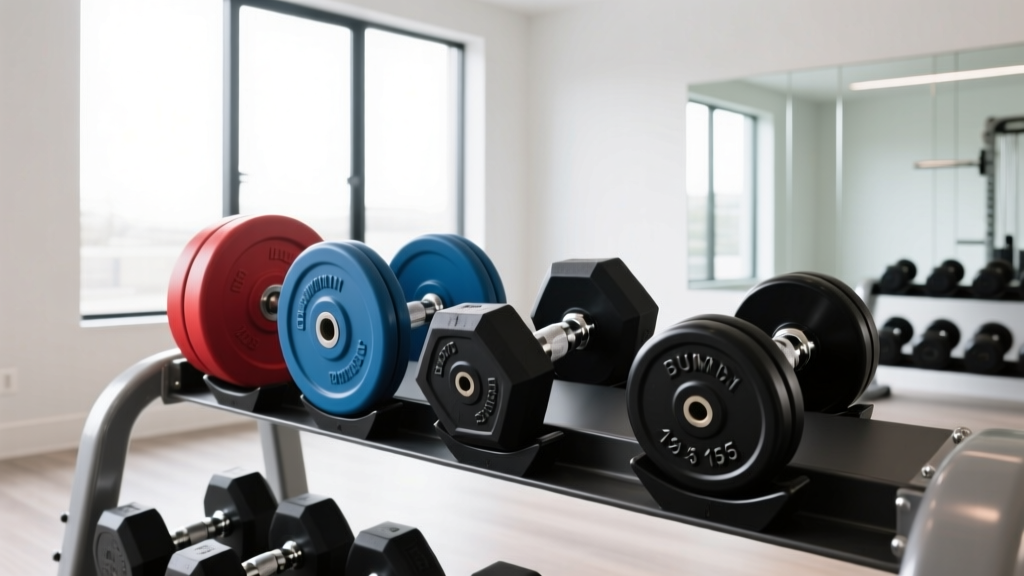
Bumper vs Iron Plates: Gym Setup for Top Bicep Dumbbell Exercises
Compare bumper vs iron plates for your 2026 home gym. Expert picks, pricing, and setup tips for heavy lifts and top bicep dumbbell exercises.

Building a high-performance home gym in 2026 requires more than just buying the heaviest weights you can find; it demands a strategic approach to your floor plan, equipment longevity, and training style. The foundational debate for any serious garage gym owner remains the bumper plate vs iron plate comparison. Your choice dictates not only the type of barbell work you can safely perform but also how you design the surrounding accessory zones where you execute isolation movements.
In this hands-on review and expert buying guide, we break down the material science, real-world pricing, and failure modes of modern weight plates. Furthermore, we will show you how to properly configure your gym's accessory station to safely support the top bicep dumbbell exercises and other isolation work, ensuring your equipment and flooring survive years of intense training.
The Physics and Economics: Bumper Plates vs. Cast Iron
To make an informed purchasing decision, you must understand the engineering differences between rubber bumpers and cast iron. According to BarBend's comprehensive equipment analysis, the primary differentiator is energy absorption and dimensional profile.
Bumper plates are manufactured from virgin or crumb rubber with a steel or brass insert. They are rated on the Shore A durometer scale, which measures rubber hardness. A lower durometer (around 70-75) means a 'dead bounce' that absorbs impact, protecting your subfloor and barbells. Cast iron plates, conversely, offer zero shock absorption but provide a significantly thinner profile, allowing you to load more weight on the barbell sleeve before running out of space.
| Feature | Standard Bumper Plates | Machined Cast Iron Plates |
|---|---|---|
| Material | Virgin/Crumb Rubber + Steel Hub | Cast Iron with E-Coat/Paint |
| Thickness (45lb Plate) | 3.0 to 3.5 inches | 1.1 to 1.3 inches |
| Drop Rating | High (Designed for Olympic drops) | Low (Will damage floors/equipment) |
| Avg. 2026 Price Per Pound | $1.60 - $2.50 / lb | $1.20 - $2.20 / lb |
| Primary Use Case | Olympic lifting, CrossFit, Pendlay rows | Powerlifting, Bodybuilding, Benching |
Hands-On Review: Top Bumper Plate Picks
1. Rogue Echo Bumper Plates V2
The Rogue Echo V2 remains the gold standard for garage gyms. Featuring a durometer rating of 75-80 Shore A for the 25lb, 35lb, and 45lb plates, they offer an incredibly dead bounce. The 10lb and 15lb plates are slightly harder (85-90 Shore A) to prevent bending. Priced at roughly $2.00 per pound, they are an investment, but the stainless steel insert and IWF standard 450mm diameter ensure they fit perfectly on any high-quality Olympic barbell. You can view the full specs on the Rogue Fitness plates catalog.
2. Titan Fitness Elite Bumper Plates
For budget-conscious lifters who refuse to compromise on quality, Titan Fitness Elite Bumpers are a phenomenal alternative. Made from low-odor virgin rubber, they avoid the toxic off-gassing common in cheap crumb rubber plates. At approximately $1.65 per pound, they offer massive value. The centered steel hub is securely vulcanized, though we have noted slightly thicker profiles on the 45lb plates compared to Rogue, measuring closer to 3.4 inches.
Hands-On Review: Best Cast Iron Plate Options
1. Rogue Machined Iron Plates
If you are strictly a powerlifter or bodybuilder who never drops the barbell from overhead, machined iron is superior. The Rogue Machined Iron Plates feature an e-coat finish that resists rust far better than traditional painted plates. The machining process ensures a weight tolerance of +/- 2%, and the thin profile allows you to load up to 500+ lbs on a standard Olympic sleeve. At $2.25 per pound, they are priced like premium bumpers, but their lifespan is virtually infinite.
2. Rep Fitness Standard Cast Iron Plates
Rep Fitness offers an excellent entry-level cast iron plate with a classic, nostalgic design and a durable enamel finish. While the weight tolerance is a more relaxed +/- 5%, it is perfectly adequate for general hypertrophy training. At roughly $1.30 per pound, they are the most cost-effective way to load a barbell in 2026.
The Accessory Zone: Setup for Top Bicep Dumbbell Exercises
While your barbell platform is engineered for heavy, high-impact compound lifts, a complete home gym requires a dedicated accessory zone. This is where you will set up your adjustable bench and dumbbell rack to perform the top bicep dumbbell exercises—such as incline supinating curls, Zottman curls, and cross-body hammer curls.
💡 Expert Setup Tip: The 'Set-Down' EtiquetteUnlike barbell bumper plates which are dropped, dumbbells used for bicep exercises must be controlled during the eccentric phase and placed gently on the floor or rack. Dropping heavy hex dumbbells from waist height will shatter standard rubber flooring and chip the urethane coating on the dumbbells themselves.
Optimizing the Floor and Storage
For the accessory zone, you do not need expensive shock-absorbent bumper flooring. Instead, use 3/4-inch vulcanized horse stall mats. They provide excellent traction for your feet during strict curls and are dense enough to handle the static load of a heavy dumbbell rack.
When organizing the space for the top bicep dumbbell exercises, invest in a tiered horizontal dumbbell rack (like the Rogue A-Frame or a Rep Fitness 3-Tier Rack). This keeps the floor clear, prevents tripping hazards, and allows you to select the precise weight needed for drop-sets or mechanical advantage sets without bending over and straining your lower back between sets.
Edge Cases and Critical Failure Modes
As equipment reviewers, we test gear until it breaks. Here are the real-world failure modes you must avoid when buying and using weight plates:
- The Bumper 'Taco' Effect: Never drop a barbell loaded only with 10lb or 15lb bumper plates. Because these plates are thinner but share the same 450mm diameter, the impact force concentrates on the rubber edge, causing the plate to fold inward (taco) and permanently tear the rubber away from the steel hub.
- Iron Plate Oxidation: Uncoated or poorly painted cast iron will flash-rust within weeks if your garage gym exceeds 60% humidity. To maintain iron plates, wipe them down with a nylon brush and apply a light coat of 3-IN-ONE oil or mineral oil every six months.
- Hub Blowouts on Cheap Bumpers: Off-brand Amazon bumpers often use a simple metal washer pressed into the rubber rather than a fully vulcanized steel insert. Under repeated drops, the insert will pull through the rubber, rendering the plate useless and potentially damaging your barbell sleeve.
Practical Decision Framework: What Should You Buy?
To finalize your 2026 equipment order, use this quick decision matrix:
- Buy Bumper Plates If: You perform Olympic lifts (cleans, snatches), do CrossFit WODs, frequently perform Pendlay rows where the bar touches the floor, or have a home gym with inadequate subflooring that requires impact dampening.
- Buy Cast Iron Plates If: You are a powerlifter focusing on squats, bench presses, and deadlifts (with a controlled descent). Iron is also mandatory if you have limited barbell sleeve space and need to load upwards of 400 lbs for heavy rack pulls or shrugs.
- The Hybrid Approach: The smartest home gyms utilize a hybrid setup. Buy a set of 45lb and 25lb bumpers for your dynamic barbell work, and supplement with 10lb and 5lb machined iron plates for precise micro-loading and barbell accessory work.
Final Verdict
The bumper plate vs iron plate comparison ultimately comes down to your training modalities and floor constraints. Bumpers offer versatility and floor protection, while iron offers unmatched density and a classic aesthetic. By pairing your chosen barbell plates with a well-organized, heavily matted accessory zone, you create a seamless environment that transitions perfectly from heavy squats to the top bicep dumbbell exercises that finish off your arm day. Invest in quality rubber or machined iron now, and your home gym will easily outlast the next decade of training.
More gear to consider
All reviews
Rear Deltoid Exercises with Dumbbells: Adjustable Setup & 2026 Review

Full Body Strength Workout with Dumbbells: Barbell Knurling Guide
EZ Curl Bar vs Straight Bar: Upgrading From a Blogilates Dumbbell

Budget Dumbbell Racks for Bench Press and Dumbbell Press Setups
Space-Saving Racks for Biceps Curl Dumbbells & Layouts
