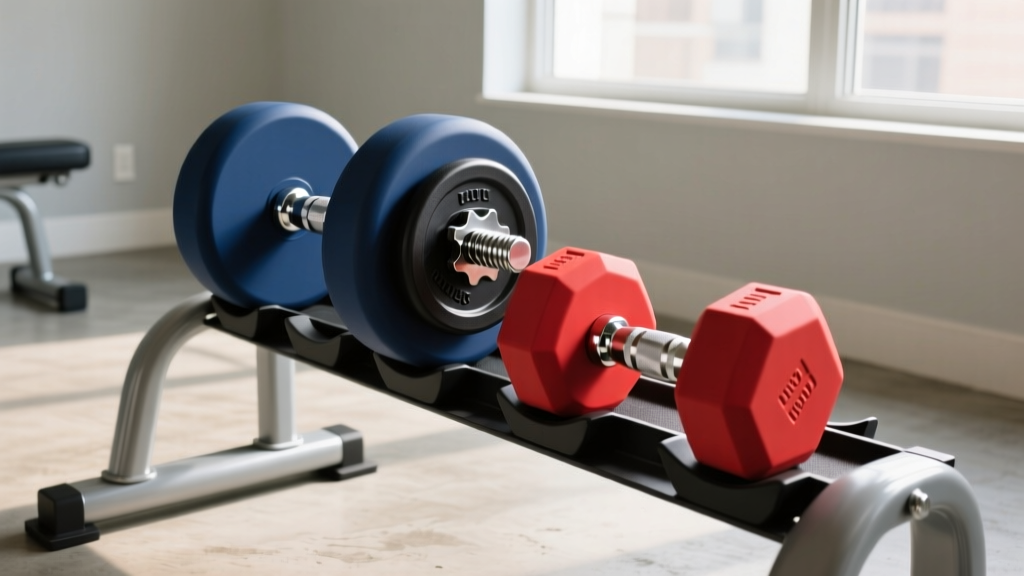
Bumper Plate vs Iron Plate Care: Maintaining Soft Dumbbells
Compare bumper plate vs iron plate longevity. Learn expert maintenance tips to prevent rust, rubber degradation, and protect your soft dumbbells.

Outfitting a home or garage gym in 2026 requires a significant financial investment. Whether you are loading a power rack with heavy plates or picking up lighter weights for high-repetition conditioning, the materials you choose dictate your maintenance routine. While lifters often debate the performance differences between equipment types, the real battleground for long-term value is material degradation. Understanding the science behind bare metal, vulcanized rubber, and coated vinyl is the key to protecting your investment.
This comprehensive guide breaks down the exact failure modes of free weights, comparing bumper plate vs iron plate longevity, while providing specialized care protocols to prevent the notorious degradation of soft dumbbells.
The Material Science of Free Weight Degradation
Free weights are subjected to extreme mechanical stress, fluctuating temperatures, and corrosive human sweat. However, the primary enemy of longevity is not the drop—it is the ambient environment and improper chemical cleaning.
Oxidation in Cast Iron
Bare or machined iron plates are highly susceptible to oxidation. When iron reacts with moisture and oxygen, it forms iron oxide (rust). In a garage gym environment, microscopic salt particles from sweat and ambient humidity accelerate this electrochemical reaction, leading to pitting and structural degradation over time.
Ozone and UV Cracking in Rubber Bumpers
Rubber bumper plates are manufactured using vulcanized rubber. Over time, exposure to ultraviolet (UV) light and ozone breaks the polymer chains in the rubber. This results in 'dry rot,' characterized by a chalky residue, surface micro-fissures, and eventual chunking when the plate is dropped.
Plasticizer Migration in Soft Dumbbells
Soft dumbbells—typically fixed-weight dumbbells coated in neoprene, vinyl, or silicone (such as the CAP Barbell Neoprene series or Tone Fitness vinyl sets)—rely on chemical plasticizers to maintain their flexible, soft-touch grip. When exposed to heat, UV light, and harsh cleaning alcohols, these plasticizers migrate to the surface. This chemical leaching causes the 'sticky syndrome,' where the dumbbell coating turns into a tacky, dirt-attracting mess that is nearly impossible to clean.
Bumper Plate vs Iron Plate: Lifespan and Failure Matrix
To make informed purchasing and maintenance decisions, you must understand the expected lifespan and primary failure points of different free weight materials. The table below outlines the real-world data for 2026 market standards.
| Material Type | Expected Lifespan | Primary Failure Mode | Ideal Environment | Avg Cost (2026) |
|---|---|---|---|---|
| Bare / Machined Iron | 15+ Years | Surface Oxidation (Rust) | Climate-Controlled Indoors | $1.20 - $1.80 / lb |
| Rubber Bumper Plates | 3 - 7 Years | Rubber Dry-Rot / Hub Popping | Garage / Covered Outdoor | $1.50 - $2.50 / lb |
| Soft Dumbbells (Neoprene/Vinyl) | 2 - 5 Years | Plasticizer Migration (Stickiness) | Climate-Controlled Indoors | $1.50 - $3.00 / lb |
| Urethane Plates / DBs | 10+ Years | Edge Chipping (Extreme Abuse) | Any (Highly Resistant) | $3.00 - $5.00+ / lb |
Iron Plate Maintenance: Stopping Oxidation in Its Tracks
If you own bare iron plates, such as the classic Rogue Machined Iron Plates, your primary goal is moisture displacement and surface sealing.
WARNING: The WD-40 MythNever use standard WD-40 Multi-Use Product on your iron plates. Standard WD-40 is primarily a solvent and water displacer, not a long-term lubricant. It will strip away existing protective oils, evaporate quickly, and leave behind a sticky residue that attracts abrasive gym dust and chalk, accelerating wear on your barbell sleeves.
The Proper Iron Care Protocol
- Remove Existing Rust: Use a brass-bristle brush (never steel, which can embed particles and cause worse rust) to scrub away surface oxidation.
- Apply a Protectant: Use 3-IN-ONE Multi-Purpose Oil or a food-grade mineral oil. Apply a light coat with a microfiber cloth, let it sit for 10 minutes, and buff off the excess.
- Frequency: Perform this every 3 months in climate-controlled rooms, or monthly in humid garage environments.
Bumper Plate Longevity: Preventing the 'Dry Rot' Effect
Rubber bumpers, like the Rep Fitness CR-1500 or Rogue Echo Bumpers, require protection from environmental factors and mechanical shock.
Conditioning the Rubber
To replenish the surface oils and protect against UV and ozone damage, apply a light coat of WD-40 Specialist Water Resistant Silicone Lubricant (the aerosol silicone spray, not the standard solvent). Spray it onto a rag and wipe down the plates. This creates a hydrophobic barrier that repels moisture and keeps the rubber supple.
Protecting the Steel Insert Hub
The most common catastrophic failure in bumper plates is not the rubber tearing, but the steel center insert popping out. This occurs when the plate is dropped onto unyielding surfaces like bare concrete, sending a shockwave through the rubber that breaks the adhesive bond to the steel hub. Always drop bumpers onto 3/4-inch thick horse stall mats or high-density drop pads.
The Soft Dumbbell Dilemma: Curing the 'Sticky' Syndrome
Soft dumbbells are incredibly popular for physical therapy, aerobic circuits, and light commercial studios. However, their soft-touch coatings are highly volatile. If your neoprene or vinyl soft dumbbells have developed a sticky, tar-like surface, you are witnessing plasticizer migration.
Attempting to clean sticky soft dumbbells with isopropyl alcohol, bleach, or harsh degreasers will instantly strip the remaining plasticizers from the top layer of the coating, permanently ruining the grip and leaving a hardened, cracked shell.
How to Rescue Sticky Soft Dumbbells
If your soft dumbbells have already begun to leach plasticizers, follow this specialized restoration method:
- Step 1: The Soap Bath. Mix warm water with a few drops of grease-cutting dish soap (like Dawn). Wipe the dumbbells down thoroughly to remove surface oils, sweat, and dirt. Dry completely.
- Step 2: The Powder Binder. For severely sticky vinyl or neoprene, lightly dust the handles and heads with pure talcum powder or cornstarch. The powder binds to the migrating plasticizers, neutralizing the tackiness.
- Step 3: The Buff. Use a dry microfiber cloth to vigorously buff the powder into the coating, then wipe away the excess. The dumbbell will be left with a smooth, matte, non-slip finish.
Environmental Controls: The Garage Gym Factor
The single most effective maintenance tool you can buy for your free weights is not a chemical—it is a dehumidifier. According to the Environmental Protection Agency (EPA), maintaining indoor relative humidity between 30% and 50% is critical for preventing structural degradation and biological growth.
Furthermore, the Centers for Disease Control and Prevention (CDC) notes that dampness and poor ventilation accelerate both biological growth on porous materials (like rubber and neoprene) and oxidation on bare metals. For a standard 2-car garage gym (approx. 400-500 sq ft), investing in a 50-pint Energy Star-rated dehumidifier with a continuous drain hose will drastically extend the lifespan of your iron plates, prevent mold on your rubber bumpers, and slow the heat-induced plasticizer migration in your soft dumbbells.
Your Monthly Free Weight Maintenance Checklist
Consistency is the hallmark of a well-maintained facility. Print this checklist and execute it on the first weekend of every month.
1. Iron & Steel Components
- Inspect barbell sleeves and iron plates for micro-rust spots.
- Spot-treat oxidation with a brass brush and 3-IN-ONE oil.
- Wipe down steel bumper plate hubs to check for adhesive separation.
2. Rubber & Urethane Components
- Inspect rubber bumpers for chalky residue or micro-tears near the hub.
- Apply silicone lubricant via a microfiber cloth to condition the rubber.
- Check flooring mats for compression degradation where heavy drops occur.
3. Soft Dumbbells & Coated Weights
- Perform the 'touch test' on all neoprene and vinyl soft dumbbells.
- Wash with mild dish soap and warm water to remove acidic sweat residue.
- Apply the cornstarch buffing method to any weights showing early signs of tackiness.
By understanding the unique chemical and mechanical vulnerabilities of your equipment, you can transition from replacing degraded gear to preserving it for decades. Whether you are dropping rubber bumpers on a platform or performing high-rep sets with soft dumbbells, targeted maintenance ensures your gym remains safe, hygienic, and financially efficient.
More gear to consider
All reviews
Bumper vs Iron Plates: Budget Value for Dumbbell Step-Back Lunges

Best Adjustable Dumbbells for Dumbbell Pullovers: 2026 Review
How to Hit Triceps With Dumbbells & Barbell Knurling Buying Mistakes

Space-Saving Layouts for a Loadable Dumbbell Circuit Workout

Barbell Collar Comparison: Beyond the Glute Bridge with Dumbbell