
Bumper vs Iron Plates: How Heavy the Dumbbells You Lift Impacts Care
Discover how to maintain bumper vs iron plates based on your lifting loads. Expert longevity tips, cleaning protocols, and failure mode analysis.

The Physics of Impact: Why Load and Material Matter
When outfitting a home gym or commercial facility in 2026, the debate between bumper plates and cast iron plates usually centers on noise reduction and Olympic lifting compatibility. However, from a maintenance and longevity perspective, the decision must be driven by impact physics and environmental exposure. The kinetic energy generated when dropping a 315-pound barbell from shoulder height is vastly different from the localized stress of dropping a pair of 100-pound hex dumbbells. Understanding these forces is the first step in maximizing the lifespan of your free weight investment.
Insight: The lifespan of a weight plate is rarely determined by its static storage; it is dictated by dynamic impact, ambient humidity, and the frequency of micro-abrasions during loading and unloading.Iron Plate Longevity: Rust, Chipping, and Calibrated Care
Iron plates—whether standard cast iron or precision-machined steel—are the gold standard for durability in controlled environments. Models like the Rogue Machined Iron Plates (retailing around $1.95 per pound in 2026) feature a zinc or black oxide finish that resists corrosion far better than traditional painted enamel. However, iron is highly susceptible to oxidation and brittle fracturing upon high-velocity impact.
Common Failure Modes for Iron
- Enamel Chipping: Traditional painted iron plates (like the York Legacy series) will chip when dropped on rubber mats, exposing raw iron to moisture.
- Hub Wear: Repeated sliding onto steel barbell sleeves can wear down the inner hub diameter, causing the plate to rattle and wobble during heavy deadlifts.
- Oxidation: In environments with humidity exceeding 60%, unprotected cast iron will develop surface rust within 72 hours.
The Iron Maintenance Protocol
To maintain machined or cast iron plates, implement a bi-annual deep clean. Use mineral spirits and a stiff nylon brush to remove chalk buildup and oxidized metal dust from the inner hubs. After cleaning, apply a micro-thin layer of 3-IN-ONE Multi-Purpose Oil or Boeshield T-9 to the bare metal edges. Avoid WD-40, as it is a solvent that strips existing protective barriers and leaves a residue that attracts abrasive gym dust.
Bumper Plate Lifespan: Rubber Breakdown and Hub Separation
Bumper plates are engineered to absorb kinetic energy, but the elastomeric compounds used in their construction are subject to environmental degradation. According to material analyses featured by Garage Gym Reviews, the durometer (hardness) rating of the rubber dictates both its bounce and its tear resistance. High-quality virgin rubber bumpers typically sit at a Shore A durometer of 85-90, offering a dead bounce that protects your flooring.
The 'Taco' Effect and Hub Separation
The most catastrophic failure mode for bumper plates is center hub separation. This occurs when a barbell loaded with light bumper plates (e.g., a single 10lb or 15lb plate on each side) is dropped from overhead. The barbell bends upon impact, but the thick rubber lacks the mass to absorb the whip, causing the rubber to fold inward (the 'taco' effect) and violently rip away from the steel center hub. Once the brass or steel insert separates, the plate is structurally compromised and unsafe for use.
Environmental Degradation
Recycled crumb rubber plates (such as economy echo bumpers) are highly porous. If stored in a garage gym exposed to UV light and fluctuating temperatures, the rubber will dry-rot, crack, and shed black dust within 24 to 36 months. Virgin rubber plates resist UV degradation significantly better but still require climate-controlled storage to maintain their elastomeric memory.
The Dumbbell Factor: Translating Barbell Drops to Dumbbell Impacts
A frequent question we encounter in equipment optimization forums is, "how heavy are the dumbbells u lift compared to your barbell?" While the phrasing is colloquial, the biomechanical and maintenance implications are profound. Dropping a pair of 120lb fixed urethane dumbbells generates a highly concentrated, localized impact force that is vastly more destructive to flooring and adjacent equipment than a distributed barbell drop.
If your training heavily features heavy dumbbell drops (e.g., heavy Romanian deadlifts or chest press drop-sets), the shockwave travels laterally across your gym floor. If your iron plates are stored on a nearby A-frame rack, these lateral vibrations can cause poorly secured iron plates to shift, chip against one another, and accelerate enamel degradation. In these high-impact dumbbell environments, utilizing thick crumb-rubber drop pads and ensuring your plate storage racks feature UHMW plastic-lined saddles is critical to preventing micro-fractures in your iron inventory.
Comparison Matrix: Maintenance by Weight Class
| Load Profile | Recommended Plate Type | Primary Failure Risk | Maintenance Frequency |
|---|---|---|---|
| Light / Technique (< 135 lbs) | Competition Bumpers | Hub separation from bar whip | Inspect hubs every 3 months |
| Heavy Powerlifting (315 - 600+ lbs) | Machined Iron / Calibrated Steel | Surface oxidation and hub gouging | Oil and wire-brush bi-annually |
| CrossFit / High-Rep Drops | Virgin Rubber Bumpers (Shore A 88+) | Rubber tearing and edge chunking | UV protectant spray every 6 months |
| Heavy Dumbbell / Accessory | Urethane Hex (Stored on lined racks) | Urethane peeling from lateral impacts | Wipe down weekly; check rack saddles |
Step-by-Step Quarterly Maintenance Routine
To ensure your free weights survive a decade of heavy use, adopt this quarterly maintenance framework detailed by the experts at BarBend:
- Audit the Hubs: Take a 29mm calibrated barbell sleeve and slide each plate on. If there is more than 1.5mm of lateral play, the hub is worn. Retire the plate to a static storage rack to prevent it from damaging the barbell knurling.
- Chalk Extraction: Use a vacuum with a brush attachment to remove magnesium carbonate (chalk) from the crevices of bumper plates and the lettering engravings on iron plates. Chalk retains ambient moisture, accelerating rust on iron and drying out rubber.
- Rubber Hydration: For bumper plates, apply a water-based silicone protectant (avoid petroleum-based products like Armor All, which break down vulcanized rubber over time) to prevent dry-rotting.
- Hardware Tightening: Check the center hub bolts on all calibrated steel plates and competition bumpers. Vibrations from drops loosen these over time, leading to off-center spinning and barbell sleeve damage.
Frequently Asked Questions
Can I mix bumper plates and iron plates on the same barbell?
Yes, but only if the iron plates are loaded on the outside of the bumpers, and the total weight is substantial enough to prevent bar whip. However, from a maintenance perspective, the hard steel edge of an iron plate can grind against the rubber face of a bumper plate during transport, causing severe friction burns and tearing on the rubber.
Does it matter how heavy are the dumbbells u lift when choosing floor mats for iron plates?
Absolutely. If you are dropping 100lb+ dumbbells near your plate storage, the localized floor deflection can cause stacked iron plates to topple or grind against each other. You must use high-density EVA or vulcanized rubber mats (minimum 3/4-inch thickness) to dampen the lateral shockwaves that compromise adjacent iron equipment.
How do I fix a rusted cast iron plate?
Submerge the plate in a white vinegar bath for 24 to 48 hours to dissolve the oxidation. Remove it, scrub aggressively with a wire wheel attached to an angle grinder, wash with baking soda and water to neutralize the acid, dry immediately with compressed air, and seal with a coat of matte black rust-preventative enamel and a light machine oil finish.
Final Thoughts on Equipment Longevity
Choosing between bumper and iron plates is not merely a matter of budget or lifting style; it is a commitment to a specific maintenance ecosystem. Iron demands rigorous moisture control and impact mitigation, while bumpers require UV protection and careful load-distribution management to prevent hub failure. By aligning your equipment choices with your actual drop mechanics and environmental conditions, you can easily extend the functional lifespan of your weight plates well past the 5-year mark, ensuring your gym remains safe, calibrated, and ready for the heavy loads ahead.
More gear to consider
All reviews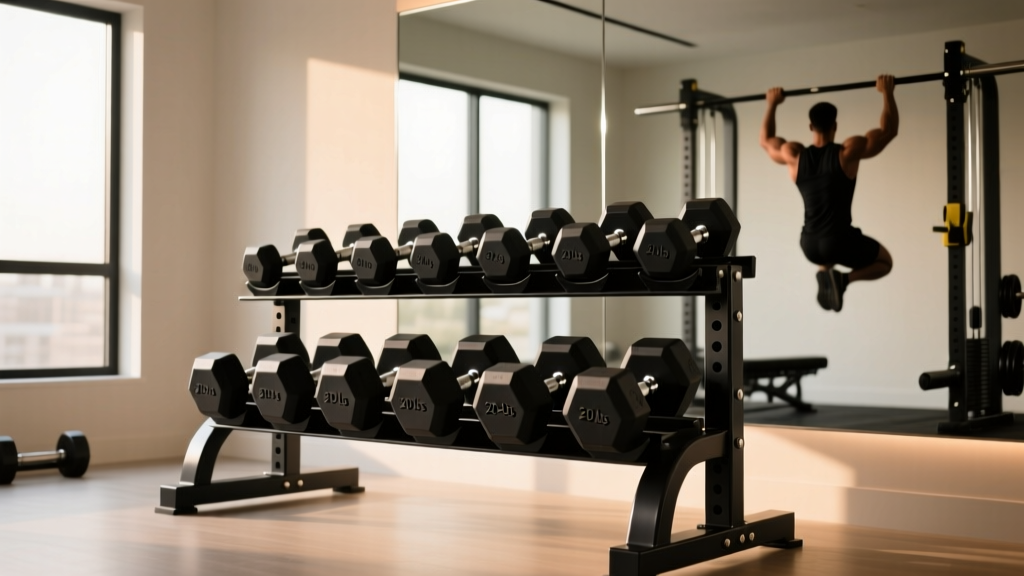
Best Dumbbell Racks to Support Dumbbell Only Back Exercises

Dumbbell Rack Care for Lats Exercises with Dumbbells
Barbell Collar and Clamp Types Comparison for Dumbbell Rows No Bench

2026 Market Analysis: Kettlebell Guide & Reverse Flies with Dumbbells

Budget Dumbbell Racks for a Women's Dumbbell Arm Workout Guide
