Bumper Plate vs Iron Plate: Dumbbell Rubber Coating Compared
We test bumper plate vs iron plate options and compare their durability to standard dumbbell rubber coating. Find our 2026 expert top picks and data.

Bumper plates are constructed entirely from high-density virgin rubber designed to absorb high-impact drops from overhead heights. In contrast, rubber-coated plates feature a solid cast-iron core encased in a thin 2.5-millimeter rubber layer, intended only for controlled lowering. If you perform Olympic weightlifting or CrossFit, bumper plates are mandatory for floor safety. For traditional bodybuilding or powerlifting, rubber-coated iron offers superior weight accuracy and a more compact profile.
This equipment analysis is specifically written for home gym builders and commercial fitness facility managers evaluating barbell and dumbbell loading options.
- Bumper plates consist of solid rubber and survive repeated overhead drops.
- Rubber-coated plates contain a cast-iron core and will crack if dropped.
- Solid rubber dumbbells outperform rubber-coated dumbbells in high-impact functional fitness environments.
- Choose bumpers for Olympic lifts; choose rubber-coated iron for controlled bodybuilding movements.
Key Definitions
Bumper Plate: A weight plate manufactured entirely from high-density rubber or urethane, featuring a standard 450-millimeter diameter regardless of weight. These plates are engineered to absorb kinetic energy when dropped from overhead, protecting both the flooring and the barbell sleeve from catastrophic damage.
Rubber-Coated Iron Plate: A traditional cast-iron or steel weight plate encapsulated in a protective rubber or polyurethane shell. The rubber coating reduces noise and prevents rust, but the rigid metal core means these plates will crack or damage flooring if dropped from heights exceeding 10 inches.
Core Differences: Bumper Plates vs Rubber Coated Iron
Material Composition and Manufacturing
Solid bumper plates utilize a vulcanized rubber manufacturing process that yields a uniform 65-durometer density rating. This consistency ensures the plate deforms slightly upon impact before returning to its original shape. The steel center hub is heavily reinforced to grip the barbell sleeve during high-velocity drops.
Rubber-coated iron plates begin as molten cast iron poured into molds. Once cooled, the iron discs are sprayed or dipped in a liquid rubber compound. According to BarBend's guide on weight plate materials, this outer layer is purely cosmetic and protective against moisture, offering zero kinetic absorption benefits.
Drop Tolerance and Floor Protection
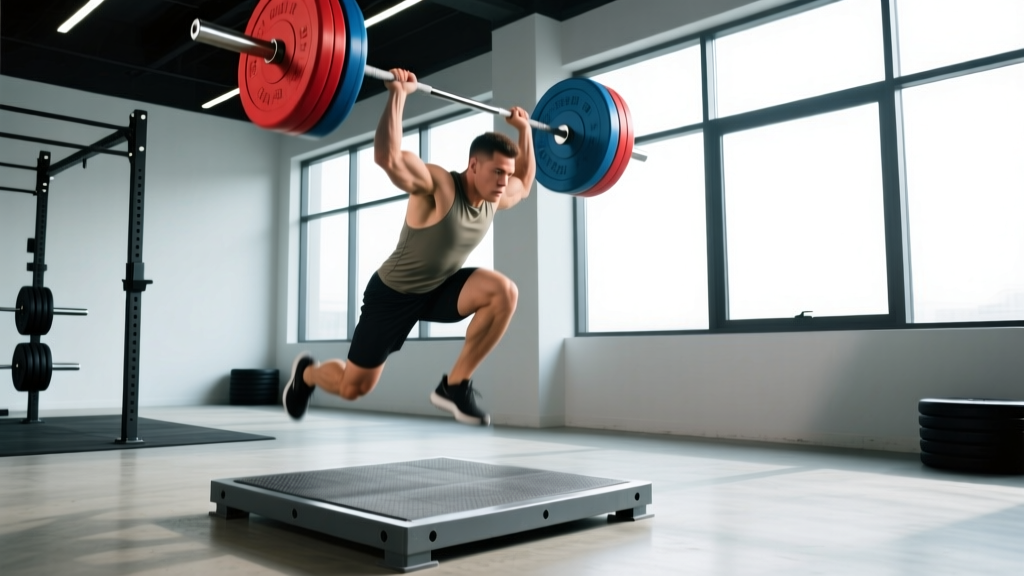
The primary distinction lies in drop tolerance. The International Weightlifting Federation mandates solid rubber bumper plates for competitive snatch and clean-and-jerk events because they dissipate force radially. Dropping a 300-pound barbell loaded with bumper plates onto a standard rubber mat flooring system produces minimal structural vibration.
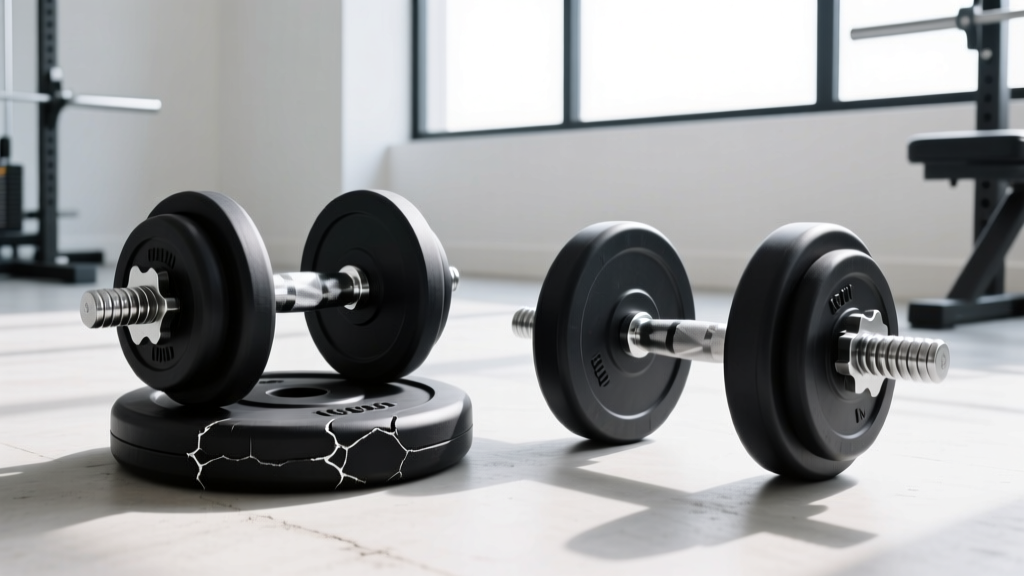
Conversely, dropping a barbell loaded with rubber-coated iron plates concentrates the impact force directly into the brittle cast-iron core. This results in shattered plates, bent barbell sleeves, and cracked concrete subfloors. Rubber-coated plates must always be lowered under muscular control or placed gently on the platform.
Dumbbell Variations: Solid Rubber vs Rubber Coated
Ergonomics and Grip
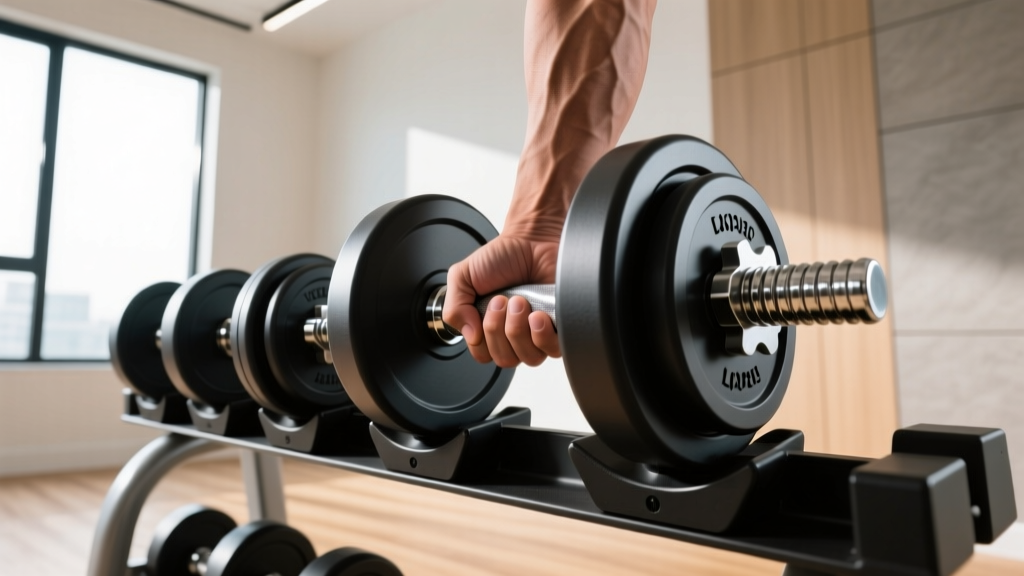
The bumper versus rubber-coated debate extends to dumbbell design. Solid rubber hex dumbbells feature a thick rubber head molded directly around a steel handle core. The substantial rubber volume provides a larger surface area, making them highly stable when placed on gym floors and resistant to chipping during functional fitness workouts.
Rubber-coated cast-iron dumbbells utilize a thinner urethane or rubber shell over a traditional iron head. While they offer a more compact profile for commercial gym racks, the thin coating frequently tears at the edges after repeated contact with metal dumbbell racks. For facilities hosting high-intensity interval training, solid rubber or urethane dumbbells drastically reduce replacement costs.
Practical Decision Framework
Use the comparison matrix below to select the correct weight plate or dumbbell type based on your specific training methodology and facility constraints.
| Feature | Solid Rubber Bumper Plates | Rubber-Coated Iron Plates |
|---|---|---|
| Primary Use Case | Olympic weightlifting, CrossFit | Bodybuilding, Powerlifting, Machine work |
| Drop Tolerance | High (Overhead drops permitted) | Low (Controlled lowering required) |
| Diameter Consistency | Uniform 450-millimeter | Varies by weight increment |
| Thickness Profile | Thick (Limits max barbell load) | Thin (Allows heavier barbell loads) |
| Cost Differential | Approximately 15-percent higher | More budget-friendly per pound |
| Calibration Accuracy | +/- 10 grams (Competition grade) | +/- 2 percent (Standard commercial) |
Facility managers can reference Rogue Fitness Black Bumper specifications to verify exact durometer ratings and thickness profiles when outfitting dedicated lifting platforms.
Frequently Asked Questions
Are rubber coated plates the same as bumpers?
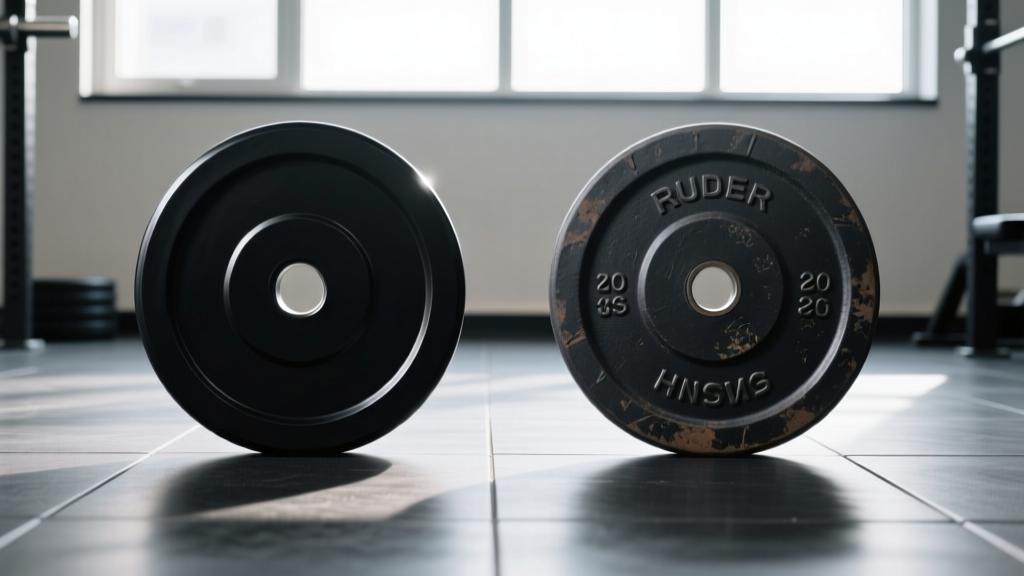
No. Rubber-coated plates contain a rigid cast-iron core that cannot absorb impact shock. Bumper plates are made entirely of dense rubber designed specifically to survive being dropped from overhead heights without shattering or damaging the floor beneath them.
Can you drop rubber coated dumbbells?
Dropping rubber-coated dumbbells is highly discouraged. The thin rubber exterior will tear, and the internal cast-iron core can fracture upon impact with hard flooring. Always use solid rubber or urethane dumbbells for exercises that involve dropping the weight, such as heavy dumbbell snatches.
Which is better for a home garage gym?
For a home garage gym with standard concrete flooring, solid rubber bumper plates are the superior choice. They protect your concrete slab from cracking and allow you to safely perform deadlifts and Olympic lifts without requiring expensive, shock-absorbing lifting platforms.
Conclusion and Next Steps
Selecting between solid rubber bumpers and rubber-coated iron hinges entirely on your training style. Bumper plates provide essential impact protection for dynamic Olympic movements, while rubber-coated iron delivers a compact, cost-effective solution for controlled hypertrophy training. To finalize your equipment purchase, measure your available storage rack width and calculate your maximum required barbell load to ensure your chosen plate profile fits your spatial constraints.
More gear to consider
All reviews
Power Rack vs Squat Rack vs Stand: Incline Dumbbell Curl Setup
Cast Iron vs Competition Kettlebells: Dumbbell Overhead Triceps Zones
Olympic vs Standard Plates: Building the World's Heaviest Dumbbell
Beyond the Gold Gym Dumbbell: EZ Curl Bar vs Straight Bar
Barbell Buying Guide: Weight, Knurling & Dumbbell Isolation Curls