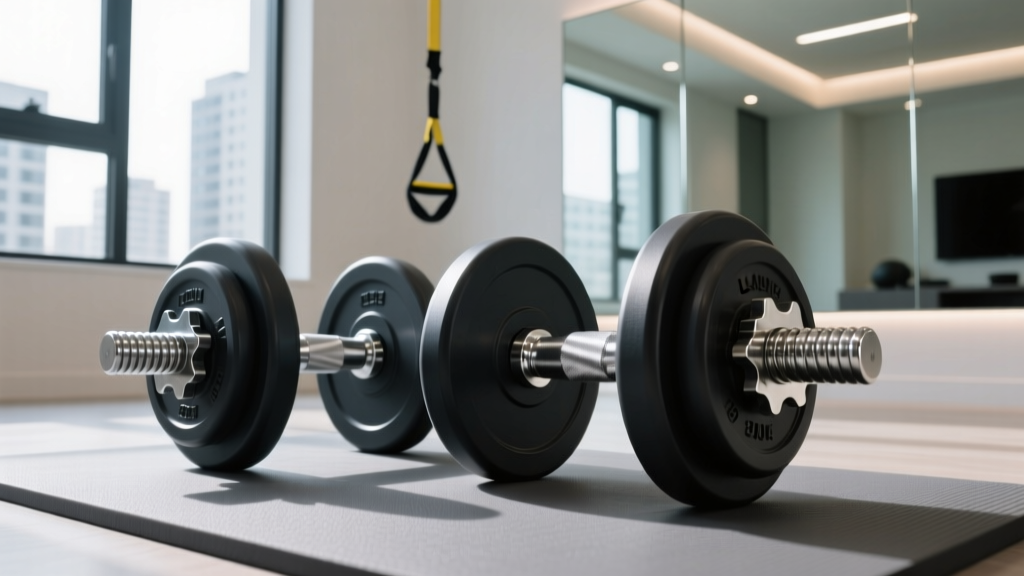
Bumper vs Iron Plate Maintenance for Step Ups with Dumbbells
Discover bumper vs iron plate maintenance tips. Learn how to protect your free weights during heavy lifts and high-fatigue step ups with dumbbells.

The Hidden Cost of Home Gym Wear and Tear
Building a resilient home gym requires more than just purchasing premium equipment; it demands a rigorous approach to maintenance and an understanding of material science. As of 2026, the debate between bumper plates and cast iron plates remains a central pillar of gym design. While much of the conversation focuses on aesthetics and price per pound, the true differentiator lies in longevity, environmental resistance, and impact tolerance. When you subject your equipment to high-intensity, metabolically taxing routines, the physical toll on your gear multiplies exponentially.
This is especially true during high-volume unilateral movements. For example, when performing heavy step ups with dumbbells or plate-loaded dumbbell handles, systemic and grip fatigue often lead lifters to drop weights carelessly at the end of a grueling set. Understanding how different plate materials react to this kinetic shockwave—and the ambient environment of your garage or basement—is the key to protecting your investment for decades.
Material Science: Virgin Rubber vs. Cast Iron
To properly maintain your weight plates, you must first understand their molecular vulnerabilities. Cast iron plates are typically forged from grey cast iron (ASTM A48 Class 30), containing 2% to 4% carbon. This high carbon content provides immense compressive strength but makes the material inherently brittle. When dropped on an unyielding surface, the kinetic energy has nowhere to dissipate, leading to micro-fractures along the edges or, in severe cases, catastrophic shattering.
Bumper plates, conversely, are constructed from virgin rubber or crumb rubber bound with polyurethane. High-quality training bumpers feature a durometer rating between 70 and 85 on the Shore A scale, allowing the rubber to compress and absorb kinetic energy. According to BarBend’s comprehensive guide on plate materials, this elasticity is what makes bumpers the undisputed champion of Olympic lifting and high-fatigue circuit training, where dropping the barbell is an expected part of the workout.
⚠ The ‘Shatter Point’ Warning
Never drop bare cast iron or hammertone-coated iron plates from shoulder height or higher. The resulting shockwave not only chips the protective coating—exposing the raw iron to rapid oxidation—but also transfers destructive force directly into your flooring and barbell sleeves.
The Fatigue Factor: Impact Resistance During Complex Workouts
Why does impact resistance matter for general fitness routines? Consider the biomechanics and fatigue profiles of complex training sessions. When athletes perform exhaustive superset combinations—such as heavy barbell front squats immediately followed by high-rep step ups with dumbbells—grip strength and central nervous system (CNS) fatigue peak rapidly. At the end of a set, the instinct is to let the weights fall.
If you are using adjustable plate-loaded dumbbells for your step-ups, or transitioning rapidly between barbell and dumbbell work, the repeated dropping of iron plates will rapidly degrade the hammertone or enamel finish. Once the finish is compromised, ambient humidity initiates the oxidation process. Bumper plates, particularly those with a stainless steel or chrome-plated center insert, are engineered to survive these exact scenarios. The rubber matrix absorbs the deceleration force, protecting both the plate’s structural integrity and the floor beneath it.
Environmental Degradation: Oxidation, UV, and Temperature
Maintenance is not just about cleaning; it is about environmental mitigation. Iron and rubber face entirely different environmental threats.
Iron Plates: The Oxidation Threat
Cast iron is highly susceptible to rust (iron oxide). In unclimate-controlled garages where relative humidity frequently exceeds 60%, bare or poorly coated iron plates will develop surface rust within weeks. Even rubber-coated iron plates are vulnerable; if the rubber shell cracks from UV exposure or physical impact, moisture becomes trapped against the iron core, causing hidden, structural rust that eventually causes the rubber to bubble and peel.
Bumper Plates: UV and Ozone Degradation
While bumpers do not rust, rubber is highly vulnerable to ultraviolet (UV) light and ozone. Prolonged exposure to direct sunlight breaks down the polymer chains in the rubber, leading to dry-rot, fading, and a chalky residue on the surface. Furthermore, extreme cold (below 32°F / 0°C) increases the Shore A durometer, making the rubber temporarily brittle and more prone to tearing if dropped in an unheated garage during winter months.
Bumper vs Iron: The Maintenance Matrix
To streamline your equipment care, reference this comparative maintenance matrix. Data reflects current 2026 industry standards for premium home gym gear.
| Maintenance Metric | Bumper Plates (Virgin Rubber) | Iron Plates (Hammertone/Urethane) |
|---|---|---|
| Cleaning Agent | Mild dish soap & water; avoid harsh solvents | Microfiber cloth; mineral spirits for heavy grime |
| Protective Coating | 303 Aerospace Protectant (UV Guard) bi-annually | 3-IN-ONE Multi-Purpose Oil or Barbell Oil monthly |
| Drop Tolerance | High (Up to 8+ feet on rubber mats) | Low (Controlled lowering only) |
| Primary Failure Mode | Rubber dry-rot, center insert separation | Edge chipping, surface oxidation (rust) |
| Avg. Cost per Pound (2026) | $6.00 - $12.00 | $2.50 - $4.50 |
Actionable Maintenance Protocols for Maximum Longevity
As highlighted by Garage Gym Reviews’ extensive equipment testing, proactive maintenance can easily double the lifespan of your free weights. Implement the following step-by-step protocols based on your plate selection.
Protocol A: Cast Iron Plate Restoration and Protection
- Inspect and Sand: Every 6 months, inspect the edges of your iron plates for chips in the hammertone or enamel finish. Use 220-grit sandpaper to lightly buff away any surface rust.
- Deep Clean: Wipe the plates down with a degreaser or mineral spirits to remove chalk dust and sebum (skin oils), which can trap moisture against the metal.
- Oil Application: Apply a light coat of 3-IN-ONE oil or a specialized barbell oil. Do not use WD-40 standard formula, as it is a solvent that strips existing protective layers and evaporates quickly. Use a lint-free cloth to buff the oil into a micro-thin protective barrier.
- Storage: Store iron plates on a vertical tree or horizontal rack. Never leave them resting directly on concrete floors, which wick moisture and accelerate bottom-edge rusting.
Protocol B: Bumper Plate UV and Rubber Care
- Wash Down: After heavy use, wipe bumpers with a damp microfiber cloth and a pH-neutral cleaner. Avoid bleach or ammonia-based products, which accelerate rubber degradation.
- UV Protection: If your gym receives direct sunlight, apply a rubber-safe UV protectant (like 303 Automotive Protectant) every 4 to 6 months. This restores the dark pigment and prevents the polymer chains from breaking down.
- Insert Maintenance: The brass or stainless steel center inserts can oxidize or collect chalk. Use a nylon brush and a drop of mineral oil to keep the inserts smooth, ensuring they slide easily onto your barbell sleeves without scratching the zinc or cerakote finish.
“The longevity of your weight plates is directly tied to your storage environment. A climate-controlled room with a dehumidifier set to 45% relative humidity will preserve both iron and rubber indefinitely, whereas a damp, unventilated garage will destroy cheap iron plates in under two years.”
Cost-Benefit Analysis: Which Should You Choose?
When deciding between bumpers and iron plates, factor in the hidden costs of maintenance and replacement. Iron plates are undeniably cheaper upfront, averaging $2.50 to $4.50 per pound in 2026. If your training consists strictly of controlled powerlifting movements (squats, bench presses) where the weight is never dropped, urethane-coated iron plates offer exceptional longevity with minimal maintenance.
However, if your programming includes Olympic weightlifting, CrossFit-style metcons, or high-fatigue accessory work where you frequently drop weights after exercises like step ups with dumbbells, bumper plates are a mandatory investment. The higher initial cost ($6.00 to $12.00 per pound) pays for itself by eliminating the need for constant rust remediation, floor repairs, and the eventual replacement of shattered iron. By matching your plate material to your training style and committing to a strict maintenance matrix, your free weights will easily outlast your fitness journey.
More gear to consider
All reviews
Best Racks for Heavy Dumbbell Romanian Deadlifts 2026

Best Adjustable Dumbbells for Dumbbell Pullovers: 2026 Review

Power Rack vs Squat Rack vs Stand for Dumbbell Glute Exercises
Bumper Plate vs Iron Plate vs a Dumbbell That Changes Weight
Neoprene vs Hex Iron: Chasing the 100 Pound Dumbbell Curl at Home