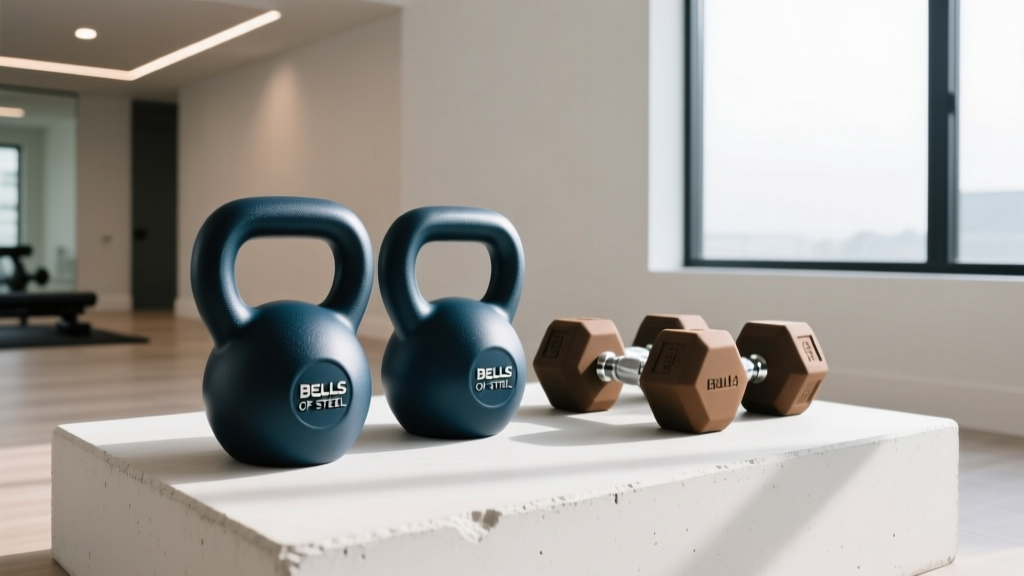
Rubber Hex vs Urethane: Maintaining Bells of Steel Urethane Dumbbells
Discover expert maintenance tips for Bells of Steel urethane dumbbells vs rubber hex alternatives. Maximize your gym gear's lifespan and ROI today.

The Polymer Showdown: Material Science and Longevity
When outfitting a commercial facility or a serious home gym in 2026, the debate between rubber hex dumbbells and urethane alternatives is ultimately a conversation about long-term asset management. While budget-friendly rubber options dominate entry-level markets, premium polyurethane (PU) models—specifically the Bells of Steel urethane dumbbells—have become the gold standard for longevity. To understand why maintenance protocols differ drastically between the two, we must first look at the polymer chemistry.
Standard rubber hex dumbbells (often manufactured by brands like Cap Barbell or Yes4All) are typically made from recycled tire rubber or lower-grade styrene-butadiene rubber (SBR) mixed with chemical plasticizers to maintain flexibility. Over time, these plasticizers leach out, leading to the infamous 'drying and cracking' failure mode. Urethane, conversely, is a thermoset polymer that does not require plasticizers. It is inherently resistant to UV degradation, extreme temperature fluctuations, and the corrosive effects of human sweat.
Degradation Matrix: Rubber vs. Urethane
| Degradation Factor | Standard Rubber Hex | Premium Urethane (e.g., Bells of Steel) |
|---|---|---|
| UV Light Exposure | High (Fades, dries, cracks within 2-3 years) | Extremely Low (Colorfast for 10+ years) |
| Sweat & Acid Resistance | Moderate (Porous, absorbs salts and lactic acid) | High (Non-porous, repels moisture and salts) |
| Abrasion & Drop Impact | Moderate (Edges chip and round off over time) | High (High durometer rating resists tearing) |
| Off-Gassing (Odor) | High (Requires months of airing out) | None (Odorless upon unboxing) |
| Expected Lifespan (Heavy Use) | 3 to 5 Years | 15+ Years |
For a deeper dive into how these materials are manufactured and weighted, BarBend's home gym maintenance guides offer excellent insights into how material density affects both drop tolerance and long-term care requirements.
The Bells of Steel Urethane Protocol: Premium Care
The Bells of Steel (BoS) Urethane Hex Dumbbells (v3 generation) represent a significant investment. As of 2026, a full 5-50 lb commercial set (10 pairs) retails between $2,100 and $2,400. These feature a solid steel core, high-durometer PU coating, and solid steel handles with medium knurling. Because the urethane itself is virtually indestructible under normal gym conditions, your maintenance focus must shift to the handles and the bonding seams.
Step-by-Step Maintenance Routine
- Daily Wipe-Down: Use a pH-neutral, non-alcohol-based gym wipe (such as Zogics Gym Wipes) or a microfiber cloth lightly dampened with a 1:10 dilution of Simple Green and water. Wipe the handle and the PU head after every use to remove lactic acid and dead skin cells.
- Knurling Deep Clean (Bi-Weekly): Sweat and chalk accumulate in the medium knurling of the BoS handles, leading to oxidization on chrome models. Use a stiff nylon brush (never brass or steel wire, which will strip the chrome) with a few drops of dish soap and warm water. Scrub the handle, then dry immediately with a microfiber towel.
- Seam Inspection (Monthly): Inspect the microscopic gap where the steel handle meets the urethane head. While BoS uses high-pressure molding to eliminate gaps, dust and fine chalk can still build up here. Use a can of compressed air to blow out the seam, preventing moisture traps.
- Rust Prevention (Quarterly): Apply a micro-thin layer of 3-IN-ONE oil or mineral oil to the chrome handles. Let it sit for 10 minutes, then buff it completely dry. This creates a hydrophobic barrier against ambient humidity.
Rubber Hex Damage Control: Extending the Inevitable
If your facility utilizes budget rubber hex dumbbells (typically priced at $1.50 to $2.00 per pound), your maintenance strategy is entirely focused on damage mitigation. You cannot stop the chemical breakdown of SBR rubber, but you can significantly delay it.
The 'Handle Blowout' Phenomenon
The most common catastrophic failure in rubber hex dumbbells is what equipment technicians call 'handle blowout.' Human sweat contains urea, sodium chloride, and lactic acid, with a pH ranging from 4.5 to 7.0. When sweat seeps into the imperfect seam between the rubber head and the steel handle, it initiates galvanic and oxidative corrosion on the untreated internal steel core. As iron oxide (rust) forms, it expands up to six times its original volume. This internal expansion literally pushes the rubber heads off the handle from the inside out.
Mitigation Strategy: Never store rubber dumbbells directly on concrete floors, which wick moisture and accelerate bottom-up rusting. Always use a tiered rack. Furthermore, keep the ambient humidity in your gym space below 50% using a commercial dehumidifier to starve the oxidation process of airborne moisture.
⚠️ CRITICAL CHEMICAL WARNING
Never use bleach, hydrogen peroxide, Lysol, or ammonia-based glass cleaners (like Windex) on rubber or urethane dumbbells. Ammonia strips the chemical plasticizers from rubber, causing it to turn brittle and crumble within months. According to Garage Gym Reviews' equipment care guidelines, sticking to pH-neutral cleaners is the only way to preserve polymer integrity.
The 10-Year Cost-Per-Use Matrix
Facility owners often balk at the upfront cost of urethane, but a longitudinal ROI analysis reveals the true financial picture. Let us compare a 5-50 lb set (1,100 total lbs) over a 10-year operational period in a busy commercial or heavy-use home gym environment.
- Rubber Hex Set (Cap Barbell / Yes4All): Initial cost: ~$1,650 ($1.50/lb). Due to edge chipping, handle blowout, and severe cosmetic degradation, the set requires full replacement by Year 4 and Year 8. Total 10-Year Cost: $4,950.
- Bells of Steel Urethane Set: Initial cost: ~$2,200 ($2.00/lb on bulk commercial pricing). With proper daily wipe-downs and quarterly handle oiling, the set remains structurally and cosmetically flawless through Year 10. Total 10-Year Cost: $2,200.
'The true cost of gym equipment is not measured at the point of purchase, but at the point of disposal. Urethane shifts the paradigm from a recurring consumable expense to a permanent capital asset.'
Final Verdict: Match the Maintenance to the Material
The choice between rubber hex and urethane dumbbells dictates your entire maintenance philosophy. Rubber hex dumbbells are a short-term, high-turnover asset that requires strict humidity control, aggressive seam drying, and an acceptance of eventual structural failure. They are best suited for low-budget garage gyms where aesthetic degradation is acceptable.
Conversely, maintaining Bells of Steel urethane dumbbells is an exercise in preserving premium steel and advanced polymers. By implementing a strict pH-neutral cleaning protocol, utilizing nylon brushes for knurling care, and applying quarterly hydrophobic oils to the handles, a BoS urethane set will easily outlast the building it resides in. For serious lifters and commercial operators in 2026, the urethane route isn't just a luxury—it is the only mathematically sound decision for long-term fleet management.
More gear to consider
All reviews
Home Gym Layout: Shoulders With Dumbbells & Kettlebell Space Guide

Space-Saving Rack Layouts for Renegade Row Dumbbells & Gyms

What Dumbbell Weight Should I Start With? Female Neoprene Mistakes

Maximizing Dumbbell Step Up Benefits: Top Loadable Dumbbells (2026)

Bench Press Bar vs Dumbbells: 2026 Adjustable Setup Guide
