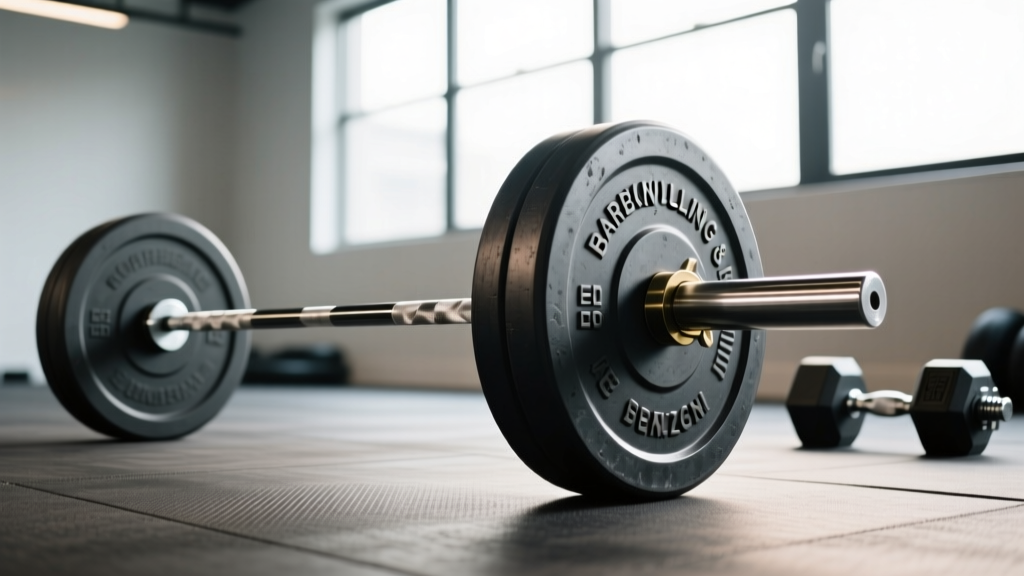
Barbell Knurling & Weight Mistakes Beyond a Dumbbell Amazon Haul
Upgrading from a basic dumbbell Amazon haul? Avoid costly Olympic barbell weight and knurling mistakes with our expert troubleshooting guide.

The 'Quick Checkout' Mentality vs. Precision Engineering
When lifters first build a home gym, the journey almost always starts with a quick dumbbell amazon search. You find a set of rubber-coated hex dumbbells, click next-day delivery, and you are ready to train. But as you transition from basic isolation movements to heavy, compound barbell training, treating your Olympic barbell purchase like a casual dumbbell amazon haul is a critical mistake that leads to buyer's remorse, stalled progress, and even injury.
An Olympic barbell is not just a heavy stick; it is a precision-engineered instrument governed by strict tolerances in weight, tensile strength, and knurling geometry. As of 2026, the direct-to-consumer fitness market is saturated with sub-$150 import bars that look identical to premium models but fail catastrophically under heavy loads. This troubleshooting guide will help you identify, diagnose, and fix the most common mistakes lifters make regarding barbell weight calibration and knurling selection.
⚠️ Troubleshooting Red Flag: If your barbell sleeves rattle loudly when dropped, or if the shaft visibly bends and stays bent after a 315lb squat, you have purchased a bar with a tensile strength below 150,000 PSI. It is time for an upgrade.Mistake #1: Ignoring Weight Tolerances and Tensile Strength
Unlike a generic online marketplace listing where a 50lb dumbbell is virtually interchangeable with any other 50lb dumbbell, barbell weight tolerances dictate the safety and consistency of your lifts. A budget barbell might claim to weigh 20kg (44lbs), but without calibration, it can easily weigh anywhere from 18.5kg to 21.5kg. When you are calculating percentages for a peaking block, a 1kg discrepancy throws off your entire program.
Understanding Tensile Strength (PSI)
Tensile strength measures the maximum stress the steel can withstand before permanent deformation (bending) or breaking. According to Catalyst Athletics, a reputable barbell must meet a minimum threshold to ensure the 'whip' (elastic deformation) returns the bar to a straight state after a heavy drop.
| Barbell Tier | Tensile Strength | Weight Tolerance | 2026 Price Range |
|---|---|---|---|
| Budget / Import | < 165,000 PSI | +/- 100g to 500g | $110 - $160 |
| Multi-Purpose | 190,000 PSI | +/- 20g to 50g | $230 - $310 |
| IWF / IPF Certified | 215,000+ PSI | +/- 5g to 10g | $350 - $800+ |
Troubleshooting Fix: If your current bar feels 'dead' or permanently warped, measure the shaft diameter. Cheap bars often use 28mm shafts with low-grade steel. Upgrade to a 28.5mm or 29mm shaft with a minimum of 190,000 PSI tensile strength for a stiff, reliable bench press and squat.
Mistake #2: Misinterpreting Knurling Profiles
Knurling is the diamond-patterned machining on the shaft that provides grip. BarBend's comprehensive knurling guide highlights that the depth and shape of these cuts drastically alter how the bar feels in your hands. Many lifters buy a bar based solely on the brand name, only to find the knurl either shreds their calluses or slips during a heavy deadlift.
The Three Primary Knurl Profiles
- Volcano Knurl: The gold standard for multi-purpose bars (e.g., Rogue Ohio Bar). The machining cuts a crater into the peak of the diamond, leaving a sharp, grippy rim that bites into the skin without tearing it. Ideal for high-volume training.
- Mountain Knurl: Sharp, aggressive, and pointed (e.g., Eleiko). This profile acts like a cheese grater. It provides unparalleled grip for max-effort powerlifting but can tear the hands during high-rep Olympic lifting or dynamic kettlebell-style barbell complexes.
- Hill Knurl: Rounded, shallow peaks. Often found on budget bars. It feels smooth and comfortable but will inevitably slip when your hands get sweaty or when pulling heavy deadlifts, even with chalk.
"The biggest mistake intermediate lifters make is buying a bar with a 'hill' knurl because it felt comfortable in the store, only to realize it's completely unusable for heavy deadlifts once they cross the 405lb threshold." — FitGearPulse Testing Team
Mistake #3: Center Knurl Confusion
Does your bar need a center knurl? This depends entirely on your training modality, yet many buyers overlook this spec.
- Powerlifting Bars: Feature a wide, aggressive center knurl. This is designed to 'bite' into the back of your t-shirt or bare skin during low-bar squats, preventing the bar from sliding up your spine.
- Olympic Weightlifting Bars: Have no center knurl (or a very faint, passive one). This prevents the bar from scraping your chest and collarbone during the clean and jerk or front squats.
- Multi-Purpose Bars: Usually feature a mild, narrow center knurl as a compromise.
Troubleshooting Fix: If you are a powerlifter and your bar slides during squats, but you don't want to buy a dedicated power bar, try wearing a textured cotton t-shirt or using a suede barbell pad (though pads are generally discouraged in competitive raw lifting). Conversely, if an aggressive center knurl is tearing up your chest during front squats, you can carefully dull the center section using a fine-grit file, though this voids most warranties.
Mistake #4: Sleeve Spin and Bushing Failures
The sleeves (the ends where you load the plates) must rotate independently of the shaft. When you perform a snatch or a clean, the plates generate rotational inertia. If the sleeves do not spin freely, that torque transfers directly to your wrists and elbows, leading to severe joint pain and missed lifts.
Bushings vs. Bearings
Budget bars often use cheap composite or dry-metal bushings that seize up after a few months of chalk and dust exposure. Premium bars use sintered bronze bushings (for slower, heavier lifts like squats) or needle bearings (for explosive Olympic lifts).
Troubleshooting Fix for Sluggish Sleeves: If your barbell sleeves are sticking, do not use WD-40, as it attracts dust and creates a grinding paste. Instead, follow this maintenance protocol:
- Remove all plates and collars.
- Use a nylon bristle brush to scrub the knurling and the sleeve seams, removing impacted chalk and dead skin.
- Apply 2-3 drops of 3-in-One oil or a specialized barbell lubricant directly into the seam where the sleeve meets the shaft.
- Spin the sleeve vigorously for 60 seconds to work the oil into the bushings or bearings.
- Wipe away excess oil with a microfiber cloth.
Final Verdict: Invest in the Steel, Not the Accessories
It is incredibly easy to fall into the trap of buying cheap, uncalibrated gear online. The convenience that makes a dumbbell amazon purchase so appealing does not translate to the world of Olympic barbells. A $130 barbell will cost you more in the long run through ruined shins, torn calluses, and warped steel. By understanding tensile strength, deciphering knurl profiles, and maintaining your sleeve bushings, you ensure that your barbell remains a reliable partner in your strength journey for decades to come. Prioritize a 190k PSI multi-purpose bar with a volcano knurl, and you will never need to troubleshoot your grip or bar whip again.
More gear to consider
All reviews
EZ Curl Bar vs Straight Bar: Budgeting for Bigger Dumbbell Arms

Fake Dumbbells & Plate Security: Barbell Collar and Clamp Comparison

Upgrading Your Dumbbell PPL: EZ Curl Bar vs Straight Bar Value Analysis
Space-Saving Dumbbells for Biceps and Triceps: Hex vs Urethane

Bumper Plate vs Iron Plate Care: What Survives the Dumbbell High Row?
