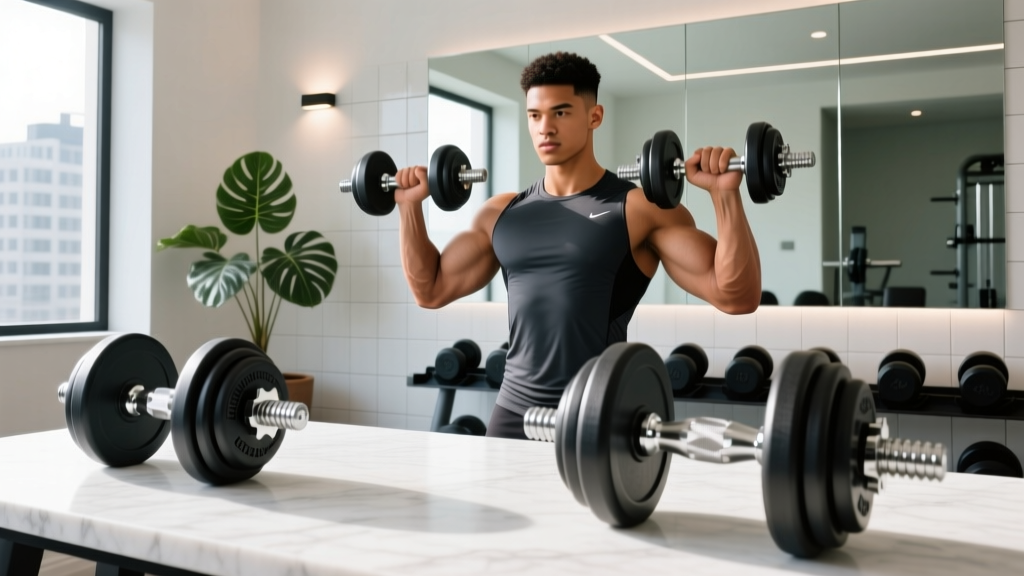
Barbell Buying Guide: Knurling, Weight & Alternating Dumbbell Snatch
Avoid common home gym mistakes. This Olympic barbell buying guide covers weight, knurling, and programming tweaks for the alternating dumbbell snatch.

The Equipment-Programming Disconnect
Building a functional home gym requires more than just buying the heaviest iron you can find; it demands a strategic alignment between your equipment specifications and your daily programming. One of the most frequent mistakes lifters make is purchasing an Olympic barbell without considering how its physical properties interact with high-volume metabolic conditioning. For instance, when central nervous system (CNS) fatigue or grip tearing forces athletes to troubleshoot their explosive power work, they often pivot to the alternating dumbbell snatch to maintain unilateral power output while reducing axial spinal loading and grip friction. However, when you do return to the barbell for heavy compounds or Olympic variations, your gear must be optimized to support your joints and skin. This Olympic barbell buying guide focuses on troubleshooting common mistakes regarding weight tolerances, tensile strength, and knurling profiles to ensure your equipment actually serves your training goals.
Mistake 1: Misunderstanding Barbell Weight and Tensile Strength
When novices search for an Olympic barbell, they assume 'weight' simply refers to the standard 20kg (44 lbs) IWF specification. The critical troubleshooting metric you must actually evaluate is tensile strength, measured in pounds per square inch (PSI). This determines the bar's yield strength—its ability to bend under heavy loads and return to perfectly straight without suffering plastic (permanent) deformation.
The Yield Strength Failure Mode
Budget barbells often feature tensile ratings around 165,000 PSI. If you drop a loaded barbell from overhead during a missed snatch, a low-PSI bar will bend and stay bent. According to comprehensive testing by the Garage Gym Reviews Barbell Guide, a reliable multi-purpose barbell should sit at a minimum of 190,000 PSI.
- 190,000 PSI (The Sweet Spot): Bars like the Rogue Ohio Bar (approx. $295) offer the perfect balance of 'whip' for dynamic movements and rigidity for heavy squats. The whip absorbs shock during heavy cleans, protecting your wrists and collarbones.
- 215,000+ PSI (Elite Olympic Spec): Dedicated weightlifting bars, such as the Eleiko Olympic Weightlifting Bar (approx. $1,150), utilize ultra-high-grade spring steel. These bars possess immense elastic whip but are virtually impossible to permanently bend under human loads.
Mistake 2: Choosing the Wrong Knurling Profile
Knurling is the cross-hatched pattern machined into the steel shaft to provide grip. The most common point of failure for intermediate lifters is selecting a knurl profile that destroys their hands during high-rep sessions, forcing them to abandon barbell work entirely. As noted in BarBend's Guide to Knurling Types, the geometry of the knurl peaks dictates how the bar interacts with your epidermis.
| Knurl Profile | Peak Geometry | Best Application | Example Model (2026 Pricing) |
|---|---|---|---|
| Mountain | Sharp, pointed peaks | Low-rep Powerlifting (Deadlifts, Squats) | Texas Power Bar (~$395) |
| Volcano | Dipped peaks, deep valleys | Olympic Lifting, High-Volume WODs | Rep Fitness Excalibur V2 (~$349) |
| Hill | Rounded, shallow peaks | Beginner bars, light conditioning | Generic Import Bars (~$150) |
For a home gym where you plan to mix heavy strength work with dynamic conditioning, volcano knurling is the undisputed champion. It provides aggressive grip by sinking into the skin's ridges without acting like a cheese grater. Avoid 'mountain' knurling if your programming includes high-rep barbell complexes, as it will tear your calluses within the first week.
Troubleshooting Grip Fatigue: Barbell vs. Alternating Dumbbell Snatch
Even with perfect volcano knurling, high-volume Olympic lifting will eventually tax your grip and CNS. This is where intelligent programming troubleshooting comes into play. When a lifter experiences grip failure or forearm pump during heavy barbell snatch cycles, the immediate fix is not to use more chalk or strap in; it is to alter the implement.
'The barbell demands bilateral symmetry and immense grip endurance. When the hands are raw or the CNS is fried from heavy pulls, swapping to the alternating dumbbell snatch allows the athlete to maintain peak hip extension velocity while giving the forearms a micro-dose of recovery between arms.'
The Biomechanical Trade-Off
The alternating dumbbell snatch requires less absolute grip friction per hand because the load is split. Furthermore, the neutral grip path of a dumbbell reduces the rotational torque on the wrist and elbow joints compared to a locked-out barbell. If your barbell knurling is too aggressive (mountain profile), your skin will literally peel during high-rep snatches. By recognizing this equipment failure, you can pivot to dumbbells to preserve your hands while still targeting the posterior chain and explosive triple extension.
Mistake 3: Ignoring Sleeve Spin and Bearing Types
The final major mistake in the Olympic barbell buying guide realm is overlooking the sleeve construction. During an Olympic lift like the snatch or clean, the barbell rotates rapidly in your hands. If the sleeve does not spin freely, the rotational inertia transfers directly into your wrists, leading to severe joint sprains.
- Bronze Bushings: Ideal for slow, heavy powerlifting (squat, bench, deadlift). They provide a tight, rigid feel but lack the smooth rotation needed for Olympic lifts.
- Needle Bearings: The mandatory standard for weightlifting. A quality barbell will feature 4 to 8 needle bearings per sleeve, allowing the shaft to remain stationary in your hook grip while the plates spin violently.
Never attempt high-rep barbell snatches on a bushing-based barbell. The friction will cause the sleeve to seize over time, especially if chalk and sweat infiltrate the housing.
Final Troubleshooting Checklist for 2026 Buyers
Before adding a barbell to your cart, run it through this diagnostic checklist to ensure it matches your training reality:
- Tensile Check: Is it at least 190,000 PSI to prevent permanent bending?
- Knurl Check: Does it feature volcano knurling to support both heavy pulls and high-rep conditioning without tearing skin?
- Center Knurl Check: If you do back squats, ensure it has a passive center knurl. If you only do Olympic lifts, a smooth center shaft is preferable to prevent chest abrasion during the clean catch.
- Sleeve Check: Does it utilize needle bearings for rapid rotational spin?
- Programming Check: Do you have a set of hex or urethane dumbbells (35-70 lbs) on hand to substitute the alternating dumbbell snatch when barbell grip fatigue sets in?
By treating your equipment purchases as a troubleshooting exercise rather than a simple transaction, you build a resilient, injury-free training environment capable of handling everything from 1-rep max cleans to grueling metabolic finishers.
More gear to consider
All reviews
Olympic Barbell Guide: Weight, Knurling & Seated Dumbbell Hammer Curl
Best Neoprene Dumbbells for Dumbbell Bench Pullovers 2026

Barbell Knurling Guide & Bowflex Dumbbell Workout Plan PDF Setup

EZ Curl Bar vs Straight Bar: The Gold Dumbbell Necklace Physique

Top Loadable Dumbbells for Heavy Dumbbell Glute Exercises