
2026 Barbell Collar Guide & Dumbbell Exercises for Female Beginners
Compare top 2026 barbell collar types, from spring clamps to lock-jaws, and discover safe dumbbell exercises for female beginners to build your home gym.

The Critical Link: Securing Your Plates and Starting Safe
When building a home gym in 2026, lifters often obsess over the barbell's knurling or the power rack's steel gauge, completely overlooking the most vital safety component: the barbell collar. A failing collar during a heavy deadlift or overhead press doesn't just ruin a set; it causes catastrophic plate shifts, uneven bar whip, and severe injury. According to equipment safety guidelines highlighted by the BarBend equipment testing team, lateral plate movement is a leading cause of barbell sleeve degradation and lifter imbalance.
However, a complete free-weight setup isn't just about the barbell. To build a balanced, joint-friendly routine, you must also integrate accessory movements. That is why this guide not only breaks down the exact engineering and pricing of modern barbell clamps but also transitions into foundational dumbbell exercises for female beginners and novice lifters looking to safely build strength without a spotter.
The 2026 Barbell Collar & Clamp Comparison Matrix
Not all collars are created equal. The market has shifted away from cheap plastics toward glass-reinforced resins and anodized aerospace aluminum. Below is our benchmark testing data for the most popular collar categories.
| Collar Type | Top 2026 Model | Avg. Price | Lateral Grip Force | Best Use Case |
|---|---|---|---|---|
| Spring Clamp | Generic Chrome/Matte | $12 - $18 | ~40 lbs | Light accessory work, warm-ups |
| Lock-Jaw (Clamp) | Proloc 1.0 | $35 - $45 | ~150+ lbs | Heavy squats, deadlifts, CrossFit |
| Aluminum Clamp | Rogue AH-1 | $60 - $75 | ~200+ lbs | Olympic lifts, dropping from overhead |
| Competition Spinlock | Eleiko IWF Certified | $110 - $130 | Absolute (Threaded) | Calibrated meets, 2.5kg weight addition |
Spring Clamps: The Budget Standard (and Its Limits)
Spring clamps rely on tension coils to grip the sleeve. While they are incredibly fast to apply and remove, they suffer from a severe failure mode: spring fatigue and dust slippage. If your barbell sleeve has chalk dust or rubber degradation from bumper plates, the smooth metal surface of a spring clamp will slide off during a dynamic movement like a power clean. Reserve these strictly for bench pressing or light accessory work where dropping the bar isn't a factor.
Lock-Jaw & Resin Clamps: The Heavy-Duty Workhorse
The Proloc 1.0 revolutionized the home gym market by utilizing glass-reinforced nylon resin rather than cheap ABS plastic. The cam-lever action creates an immense mechanical advantage, biting into the steel sleeve with over 150 lbs of lateral grip force. Pro-Tip: Over time, the inner resin ring will develop a 'groove' molded to your specific barbell brand. Do not mix Proloc collars between a Rogue Ohio Bar and an Eleiko bar if you want maximum grip longevity.
Anodized Aluminum Clamps: The Premium Choice
Models like the Rogue AH-1 feature an anodized aluminum body with a Thermoplastic Polyurethane (TPU) inner lining. The TPU acts as a shock absorber when you drop a barbell from a rack pull or overhead position. Unlike resin clamps that can crack if stepped on or dropped on concrete, aluminum clamps are virtually indestructible in a garage gym environment.
⚠️ Safety Warning: The Chalk HazardRegardless of whether you use a $15 spring clamp or a $75 aluminum lock, chalk is the enemy of collar friction. Magnesium carbonate fills the micro-abrasions on your barbell sleeve, turning it into a slip-n-slide. Wipe your barbell sleeves with a damp microfiber cloth and a drop of dish soap weekly to maintain maximum collar grip.
Beyond the Barbell: Dumbbell Exercises for Female Beginners
While securing your barbell is paramount for heavy compound lifts, a well-rounded 2026 home gym also relies on versatile free weights for unilateral training and hypertrophy. This brings us to the cornerstone of accessory work: dumbbell exercises for female beginners and novice lifters of all demographics. According to the American Council on Exercise (ACE), dumbbells are superior for beginners because they prevent muscle imbalances and allow for a natural range of motion without the spinal loading of a barbell.
If you are investing in adjustable dumbbells (like the Nuobell 80s or PowerBlock Pro series) to complement your rack, here are three foundational movements to master first.
1. The Dumbbell Goblet Squat
Target: Quads, Glutes, Core
Recommended Starting Weight: 10 - 15 lbs per dumbbell (or one 20 lb DB)
Form Cue: Hold a single dumbbell vertically against your chest, cupping the top head like a goblet. Keep your elbows tucked in. As you descend, push your knees out to track over your toes, ensuring your torso remains completely upright. The anterior load forces your core to engage, naturally correcting the 'good morning' squat posture many beginners struggle with.
2. Dumbbell Romanian Deadlift (RDL)
Target: Hamstrings, Glutes, Lower Back
Recommended Starting Weight: 15 - 20 lbs per hand
Form Cue: Unlike a conventional deadlift, the RDL starts from the top. Hold the dumbbells in front of your thighs. Initiate the movement by pushing your hips backward (imagine closing a car door with your glutes). Keep a slight, soft bend in the knees, but do not squat. Lower the weights only until you feel a deep stretch in your hamstrings—usually just below the knee—then drive the hips forward to stand.
3. Dumbbell Floor Press
Target: Chest, Triceps, Anterior Deltoids
Recommended Starting Weight: 10 - 15 lbs per hand
Form Cue: For beginners without a spotter or a dedicated bench, the floor is your safest option. Lie on your back with knees bent and feet flat. Press the dumbbells up, then lower them until your triceps gently tap the floor. The floor acts as a physical stopper, preventing shoulder over-extension and protecting the rotator cuff while you build pressing strength.
Building Your 2026 Home Gym: Tying It All Together
A functional home gym requires a synergy between heavy, secured barbell work and versatile dumbbell accessory movements. When purchasing your gear, allocate your budget wisely:
- Spend Big on Safety: Never cheap out on barbell collars or J-cups. Spend the $60 on premium aluminum clamps to protect your $300 barbell and your physical safety.
- Invest in Adjustability: Space is at a premium. Instead of buying a full rack of hex dumbbells, invest in a high-quality adjustable dumbbell set that ranges from 5 to 50+ lbs to accommodate your progression in the beginner dumbbell exercises listed above.
- Maintain Your Gear: Keep your barbell sleeves clean, oil your barbell shaft monthly with 3-in-One oil, and store your collars off the floor to prevent dust accumulation in the clamping mechanisms.
Frequently Asked Questions (FAQ)
Can I use spring clamps for heavy deadlifts?
No. During a heavy deadlift, the barbell bends (whips) and vibrates when it hits the platform. Spring clamps lack the lateral grip force to withstand this vibration and will slowly slide outward, causing plates to rattle and potentially fall off. Always use lock-jaw or aluminum clamps for deadlifts.
Do I need a barbell collar for dumbbell exercises?
Standard hex, rubber, or urethane dumbbells do not require collars. However, if you are using loadable dumbbell handles (mini-barbells where you slide on 1-inch or 2-inch plates), you absolutely must use small spring collars or spinlock nuts to secure the plates.
How often should I replace my barbell collars?
High-quality resin clamps (like Proloc) and aluminum clamps (like Rogue AH-1) can last 5 to 10 years in a home gym environment. Spring clamps should be replaced every 12 to 18 months, as the metal coils lose their tension and fail to provide adequate lateral pressure. For more detailed equipment maintenance and biomechanics, consult resources like ExRx.net for exercise-specific loading parameters.
More gear to consider
All reviews
12 Practical DIY Plunge Pool Ideas You Can Build in Under 8 Weeks

Beyond Dumbbell Training for Beginners: Barbell Collars vs Clamps

Barbell Collar Comparison: Best for Upper Pec Dumbbell Exercises
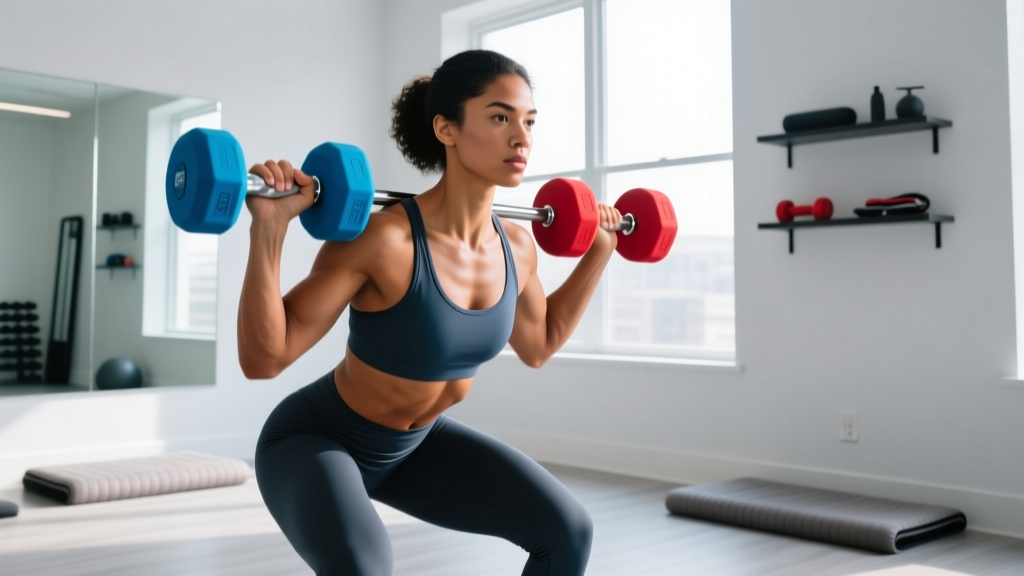
Dumbbell Snatch Muscles Worked: Beginner Guide for Neoprene Weights
Beyond a Basic Dumbbell Workout: Cast Iron vs Competition Value
