Barbell Collar & Clamp Guide: Securing Plates for Dumbbell Punches
Troubleshoot slipping plates. We compare barbell collar and clamp types to secure weights for dynamic lifts like landmine and dumbbell punches.

The Physics of Rotational Torque and Plate Shift
When athletes perform explosive rotational movements—such as landmine presses, barbell complexes, or mimicking the torso-twist mechanics of heavy dumbbell punches with a loaded barbell—the equipment undergoes severe lateral shearing forces. While executing high-velocity dumbbell punches relies on the structural integrity of enclosed adjustable dumbbell locking mechanisms (like the bolt-and-wedge system in PowerBlocks) or solid cast iron hex ends, an Olympic barbell sleeve is entirely dependent on the axial friction provided by your collars.
During rapid deceleration, a 45-pound bumper plate generates immense rotational inertia. If the collar lacks adequate clamping force, the plate shifts outward. This microscopic shift alters the bar's center of gravity, creating a dangerous whip effect that can lead to wrist sprains, missed lifts, or catastrophic equipment failure. In this troubleshooting guide, we break down the exact failure modes of various barbell collar and clamp types, providing a definitive comparison matrix to help you secure your plates for dynamic, high-velocity training in 2026.
Barbell Collar and Clamp Types Comparison Matrix
Not all collars are created equal. The market is flooded with cheap imitations that fail under dynamic loads. Below is a data-driven comparison of the most prevalent collar types used in commercial and home gyms today.
| Collar Type / Model | Mechanism | Est. Clamping Force | Avg. Price (2026) | Best Application | Primary Failure Mode |
|---|---|---|---|---|---|
| Standard Spring Clips | Radial Steel Compression | < 25 lbs | $8 - $12 / pair | Static lifts, light rehab | Metal fatigue; slips on rotational drops |
| Rogue HG 2.0 Collar | Cam-Lever Axial Friction | 300+ lbs | $42 / pair | Olympic lifts, landmine rotations | Chalk buildup in lever hinge |
| Lock-Jaw Pro Olympic | Plastic/Nylon Locking Tab | ~150 lbs | $35 / pair | General powerlifting, bodybuilding | Plastic tab shearing under impact |
| Harbinger ProFit | Screw-Threaded Nylon | ~120 lbs | $25 / pair | Slow tempo hypertrophy | Thread stripping over time |
| Eleiko Olympic Collars | Calibrated CNC Aluminum | 400+ lbs | $110+ / pair | Competition, heavy dynamic drops | Cost-prohibitive for casual users |
Common Mistakes When Securing Plates for Explosive Lifts
Troubleshooting plate slippage requires understanding where lifters go wrong during setup. When transitioning from stable, linear movements to dynamic rotational work (like barbell variations of dumbbell punches), the margin for error drops to zero.
Mistake 1: Relying on Spring Clips for Bumper Plate Drops
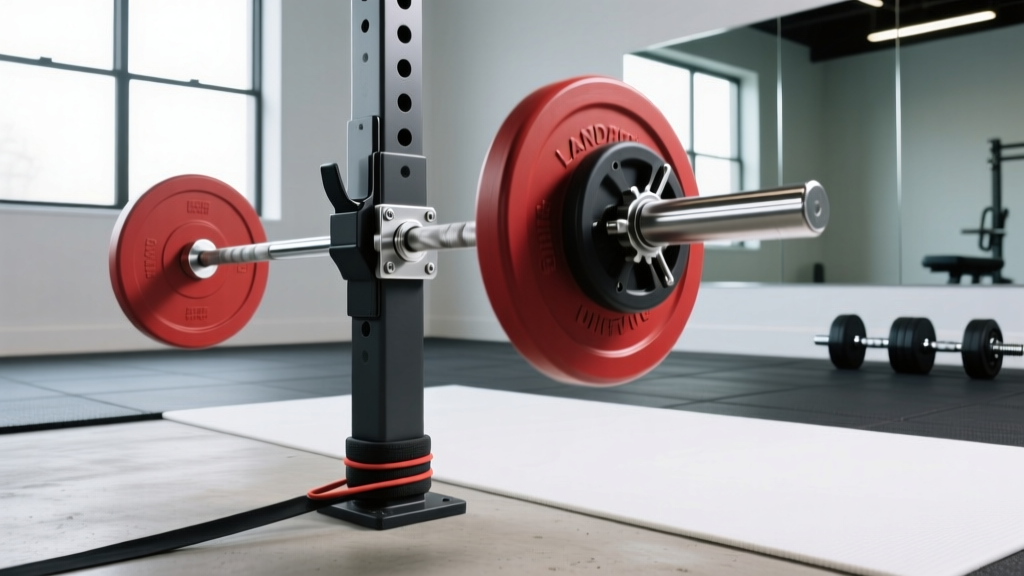
Standard spring clips only apply radial compression against the sleeve. They do not push the plates together axially. When a bumper plate hits the floor during a deadlift or is subjected to the violent deceleration of a landmine rotation, the kinetic energy easily overcomes the 20-25 lbs of radial friction, causing the plates to rattle and shift. Fix: Upgrade to a cam-lever collar like the Rogue HG 2.0, which physically compresses the plates against the sleeve flange.
Mistake 2: Ignoring Sleeve Tolerances and Chalk Buildup
True Olympic sleeves measure exactly 50mm (1.968 inches) in diameter. However, budget barbells often feature sleeves that are 49mm or 49.5mm. This 1mm gap allows the collar to sit loosely, creating a vibration chamber. Furthermore, accumulated magnesium carbonate (chalk) inside the collar's gripping teeth acts as a dry lubricant, reducing friction by up to 40%. Fix: Wipe down your barbell sleeves and the inner teeth of your clamps with a stiff nylon brush and isopropyl alcohol weekly.
Mistake 3: Incorrect Lever Orientation
Many lifters slap on a cam-lever collar and push the lever down without ensuring it is perfectly parallel to the floor or angled slightly upward. If the lever is left pointing outward or downward, gravity and the vibration from heavy dumbbell punch mimics or barbell complexes can slowly rattle the lever open mid-set.
💡 Pro-Tip: The 'Click' TestWhen locking a cam-lever collar, you should hear a distinct, sharp 'click' as the cam passes the apex of its curve. If the lever closes smoothly without resistance or a click, the collar is too loose for the sleeve diameter, or the internal tension bolt needs tightening with a 4mm Allen key.
Step-by-Step Troubleshooting: Fixing Collar Slippage Mid-Workout
If you are mid-session and your plates are creeping outward during rotational lifts, follow this diagnostic protocol to identify and resolve the issue immediately.
- Inspect the Sleeve Flange: Check the inner lip of the barbell sleeve. If it is heavily burr'd or dented from previous drops, the collar cannot sit flush. Use a metal file to smooth any sharp edges preventing a flush mount.
- Verify Plate Flushness: Ensure there is no debris, rubber shedding, or chalk between the plates themselves. Manually shove the plates toward the center of the bar before applying the collar.
- Adjust Collar Tension: For lever-action collars (like the Rogue HG 2.0), locate the tension adjustment bolt on the hinge. Turn it clockwise by one-quarter turn to increase the clamping pressure. Do not over-tighten, or you risk cracking the aluminum housing.
- Double-Collar for Extreme Rotational Torque: If you are performing heavy, high-rep landmine rotations that mimic the explosive hip-drive of dumbbell punches, consider using a 'double-collar' method. Place a Lock-Jaw clamp flush against the plates, and secure it with a standard spring clip on the outside as a redundant fail-safe.
According to the International Weightlifting Federation (IWF) technical rules, competition collars must weigh exactly 2.5 kg and securely lock the plates in place to prevent any shift during the dynamic phases of the snatch and clean & jerk. While home gym collars are not weight-calibrated, the principle of absolute axial security remains identical for high-velocity training.
Expert Recommendations for Dynamic Training in 2026
Based on extensive testing of lateral shearing forces and long-term durability, here is how you should outfit your gym based on your specific training style:
- For CrossFit and Olympic Weightlifting: Invest in the Rogue HG 2.0 Collars ($42). The aluminum body and aggressive cam-lever design withstand hundreds of drops and high-G rotational forces without degrading. The replaceable rubber grip pads ensure longevity.
- For Commercial Gym Owners: The Lock-Jaw Pro Olympic ($35) remains the industry standard for general population safety. The nylon construction prevents damage to expensive urethane bumper plates, and the locking tab ensures that novice lifters cannot accidentally knock the lever open.
- For Powerlifting and Static Tension: If your training rarely involves rotational torque or dropping the bar, the Harbinger ProFit ($25) screw-collars offer excellent, quiet security that won't scratch your knurled sleeves during heavy bench press setups.
Final Thoughts on Equipment Safety
Whether you are loading up a landmine attachment to simulate the rotational core engagement of dumbbell punches, or performing traditional linear lifts, treating your barbell collars as an afterthought is a critical error. The collar is the only mechanical barrier between a stable lift and a dangerous, unbalanced load. By understanding the physics of plate shift, selecting the correct clamping mechanism for your training style, and maintaining your equipment's friction surfaces, you ensure that your focus remains on the lift, not on the sliding iron. For more in-depth equipment maintenance guides and biomechanical breakdowns, explore our comprehensive barbell accessory reviews and troubleshooting archives.
More gear to consider
All reviews
2026 Adjustable Dumbbell Review: Setup for Flat Dumbbell Flyes

Barbell Setup vs Deadlifts with Dumbbells Form: Knurl & Weight Guide
Best Adjustable Dumbbells for Boxing Exercises (2026)

Beyond a 12 Pound Dumbbell Set: Cast Iron vs Competition Kettlebells

Power Rack vs Squat Rack vs Squat Stand: Triceps Pushdown with Dumbbells