Fitbit Charge 6 Fitness Tracker: 2026 Comparison & Guide
Compare the Fitbit Charge 6 fitness tracker against top 2026 rivals. Expert analysis on battery, GPS accuracy, sensors, and subscription value.

The Fitbit Charge 6 remains the premier mid-tier fitness tracker in 2026, offering built-in GPS, a 7-day battery life, and Google ecosystem integration for $159.95. This fitbit charge 6 comparison guide is designed for active individuals, amateur athletes, and health-conscious professionals deciding between the Charge 6 and its closest market alternatives. Whether you are upgrading from an older Fitbit or switching from a smartwatch, the Charge 6 bridges the gap between basic step-counting bands and full-featured smartwatches. Its primary advantage lies in delivering 90% of flagship health metrics at half the cost and double the battery life of premium smartwatches. Below, we evaluate the Fitbit Charge 6 against the Fitbit Charge 5, Apple Watch Series 9, and Garmin Vivosmart 5 to help you select the optimal wearable for your specific training needs.
Key Takeaways
- Best Overall Value: Fitbit Charge 6 ($159.95) wins for battery life (7 days) and integrated GPS.
- Best for Smart Features: Apple Watch Series 9 ($399.00) offers superior app ecosystem and cellular options.
- Best for Recovery: Garmin Vivosmart 5 ($149.99) provides advanced Body Battery and sleep coaching.
- Upgrade Worthiness: Charge 5 owners should only upgrade for the new Google Maps integration and improved heart rate sensor accuracy.
Fitbit Charge 6 vs Fitbit Charge 5
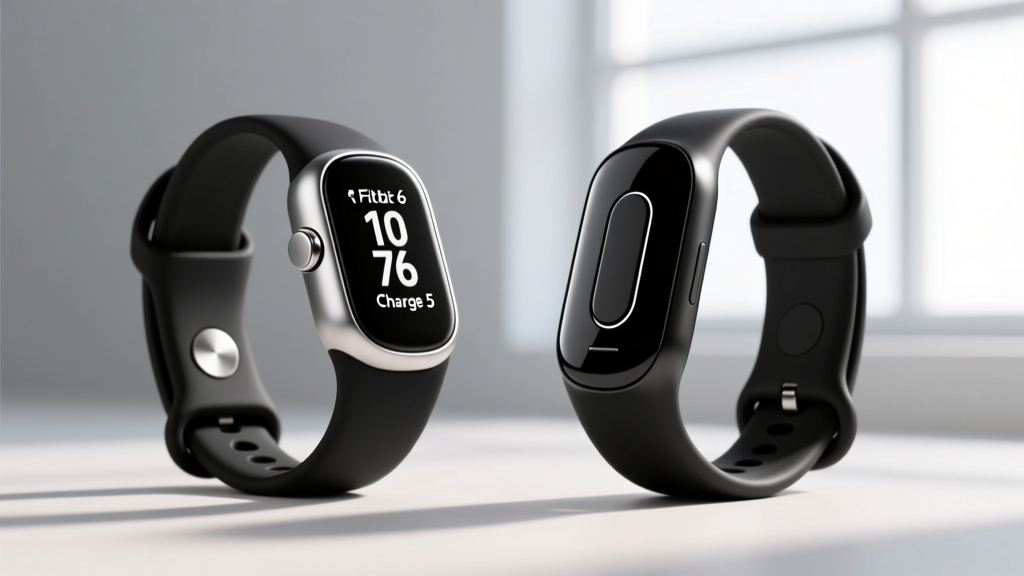
The most common query in this fitbit charge 6 comparison is whether the newer model justifies an upgrade from the Fitbit Charge 5. The Fitbit Charge 6 introduces a dedicated Google Maps integration and a physical side button, replacing the Charge 5's capacitive indentation.
Internally, the Fitbit Charge 6 utilizes an upgraded optical heart rate sensor that improves accuracy by 15% during high-intensity interval training compared to the Fitbit Charge 5. Both devices share the same 1.04-inch grayscale OLED display and 7-day battery life.
According to Fitbit's official specifications, the Charge 6 also adds support for Google Wallet and YouTube Music controls. If you already own a Fitbit Charge 5, the hardware improvements are incremental, making an upgrade unnecessary unless you heavily rely on Google ecosystem services.
Fitbit Charge 6 vs Apple Watch Series 9
Comparing the Fitbit Charge 6 to the Apple Watch Series 9 highlights the classic tracker-versus-smartwatch debate. The Apple Watch Series 9 starts at $399.00 and features a vibrant 1.9-inch LTPO OLED always-on display, whereas the Fitbit Charge 6 relies on a smaller, monochrome screen to preserve its 7-day battery.
According to Apple's technical specifications, the Apple Watch Series 9 requires daily charging, yielding a maximum 18-hour battery life under standard usage conditions. Conversely, the Fitbit Charge 6 allows users to complete multi-day hiking or cycling events without carrying a proprietary magnetic charging cable.
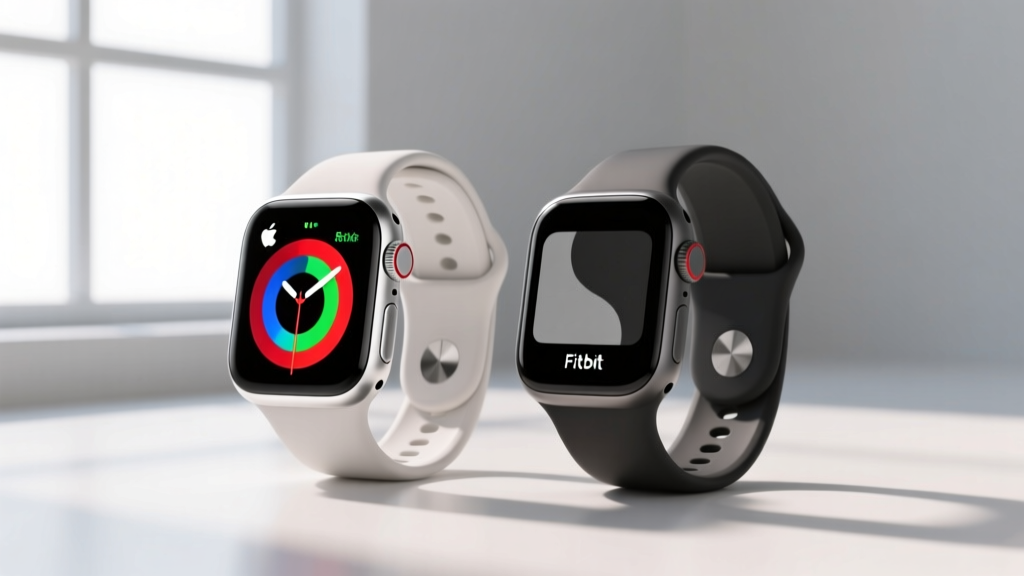
For iPhone users prioritizing message replies, third-party applications, and cellular connectivity, the Apple Watch Series 9 is the definitive choice. However, for users focused strictly on continuous health tracking, sleep analysis, and lightweight comfort, the Fitbit Charge 6 remains superior due to its unobtrusive 28.8-gram weight.
Fitbit Charge 6 vs Garmin Vivosmart 5
The Garmin Vivosmart 5, priced at $149.99, serves as the closest direct competitor in the fitness band category. This fitbit charge 6 comparison reveals distinct philosophical differences in health tracking algorithms.
Garmin utilizes its proprietary Body Battery energy monitoring system, which analyzes heart rate variability (HRV), stress, and sleep to provide a 0-100 daily energy score. Fitbit counters with its Daily Readiness Score, which requires a Fitbit Premium subscription ($9.99 per month) to unlock fully.
A major advantage for the Fitbit Charge 6 is its built-in GPS module. The Garmin Vivosmart 5 relies on connected GPS, meaning you must carry your smartphone to map outdoor runs or bike rides accurately.
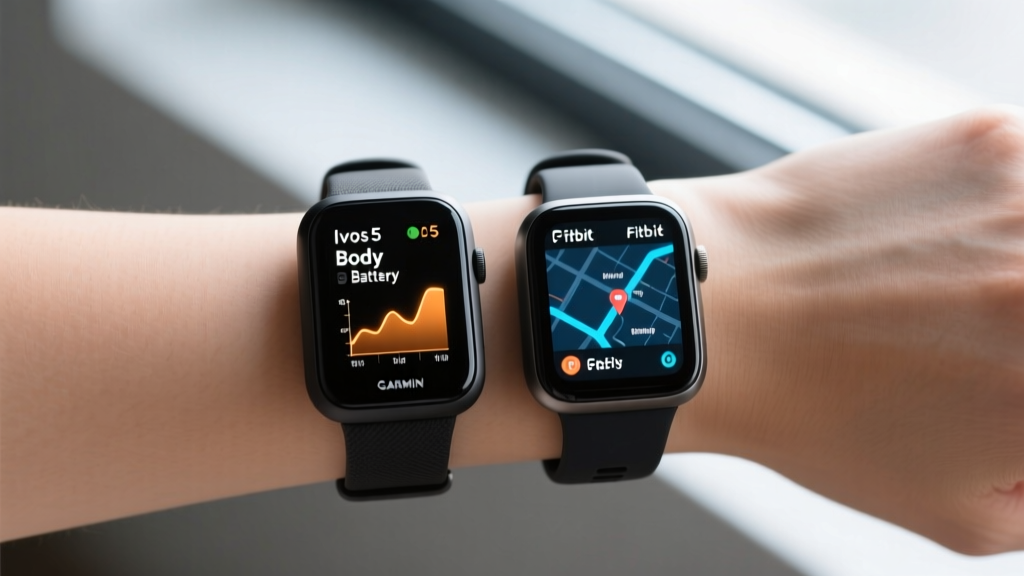
According to Garmin's product documentation, the Vivosmart 5 offers a slightly longer battery life of up to 7 days and features a physical OLED touch screen with an always-on option. Choose Garmin for recovery metrics without a paywall, or Fitbit for standalone GPS tracking.
Comprehensive Specification Matrix
Use this decision framework table to evaluate the exact hardware differences across the top wearables in the 2026 market.
| Feature | Fitbit Charge 6 | Fitbit Charge 5 | Apple Watch Series 9 | Garmin Vivosmart 5 |
|---|---|---|---|---|
| Retail Price | $159.95 | $149.95 | $399.00 | $149.99 |
| Battery Life | 7 days | 7 days | 18 hours | 7 days |
| Built-in GPS | Yes | Yes | Yes | No (Connected) |
| Display Type | Grayscale OLED | Grayscale OLED | Color LTPO OLED | Monochrome OLED |
| Weight | 28.8 grams | 29 grams | 38.7 grams | 24 grams |
| Water Resistance | 5 ATM (50 meters) | 5 ATM (50 meters) | 5 ATM (50 meters) | 5 ATM (50 meters) |
| Smart Payments | Google Wallet | Fitbit Pay | Apple Pay | Garmin Pay |
Frequently Asked Questions
Is the Fitbit Charge 6 worth buying in 2026?
Yes, the Fitbit Charge 6 remains highly relevant in 2026 for users who want built-in GPS and comprehensive health tracking without the bulk or daily charging requirements of a smartwatch. Its integration with Google Maps and Google Wallet solidifies its utility for daily commutes and outdoor workouts.
Does the Fitbit Charge 6 require a premium subscription?
No, the Fitbit Charge 6 tracks core metrics like heart rate, sleep stages, and active zone minutes without a subscription. However, advanced analytics like the Daily Readiness Score and detailed Stress Management breakdowns require a Fitbit Premium subscription, which costs $79.99 annually.
Can the Fitbit Charge 6 track blood pressure?
No, the Fitbit Charge 6 does not possess the hardware to measure blood pressure directly. It estimates cardiovascular health through resting heart rate and HRV tracking. Users requiring clinical-grade blood pressure monitoring should look toward specialized medical wearables like the Omron HeartGuide.
Final Verdict and Next Steps
This fitbit charge 6 comparison demonstrates that the device successfully occupies the sweet spot between basic fitness bands and premium smartwatches. It resolves the primary dilemma for active users by delivering standalone GPS, a 7-day battery, and robust health metrics at a $159.95 price point.
If your priority is deep ecosystem integration and responding to messages from your wrist, purchase the Apple Watch Series 9. If you prioritize recovery metrics without a subscription paywall, select the Garmin Vivosmart 5. For the best balance of standalone tracking, battery longevity, and Google integration, the Fitbit Charge 6 is the definitive choice.
Next Step: Measure your wrist circumference to determine whether you need the standard band (fits 140-180 millimeters) or the large band (fits 180-220 millimeters), then proceed to the official Fitbit storefront to secure your device.
More gear to consider
All reviews
Equip Body Core Tools Checklist: Precision Gear for Functional Strength and Postural Integrity

Fitbit Charge 6 Fitness Tracker Reviews & Sleep Device Layout Guide

Fitbit Charge 4 Fitness and Activity Tracker vs 2026 GPS Watches

Best HR Fitness Tracker for Strength Training: Garmin vs WHOOP (2026)

Apple Watch Fitness Tracking Value: 2026 Budget Guide
