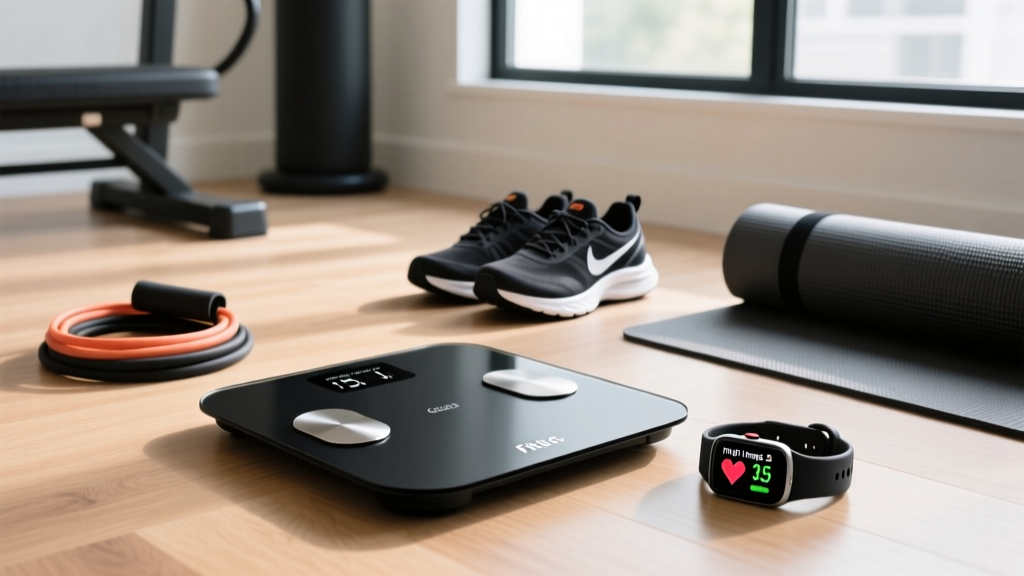
Apple Watch Fitness Tracking Value: 2026 Budget Guide
Is Apple Watch fitness tracking worth the premium? We break down the 2026 costs, hidden fees, and true value of Series 10, SE 3, and Ultra 2 models.

The True Cost of Entry: 2026 Hardware Pricing Tiers
When evaluating Apple Watch fitness tracking capabilities, consumers often focus solely on the sticker price of the hardware. However, a true value analysis requires looking at the ecosystem's total cost of ownership. In 2026, Apple’s wearable lineup is distinctly segmented into three tiers, each offering a vastly different return on investment depending on your fitness goals. According to Apple's official hardware lineup, the pricing structure remains premium, but the feature-to-dollar ratio varies wildly.
Hardware Tier Breakdown
- Apple Watch SE (3rd Gen) - $249: The entry-level workhorse. It includes the core optical heart rate sensor, fall detection, and basic workout tracking. Edge Case Warning: Due to ongoing Masimo patent disputes in the US market, the SE 3 still lacks Blood Oxygen (SpO2) monitoring, making it a poor choice for altitude acclimatization or advanced sleep apnea screening.
- Apple Watch Series 10 - $399: The mainstream flagship. It introduces the wider always-on Retina display, sleep apnea detection, and a surprisingly accurate depth gauge for snorkeling. The thinner chassis improves all-day comfort, which is critical for 24/7 tracking adherence.
- Apple Watch Ultra 2 - $799: The endurance powerhouse. Featuring dual-frequency L1/L5 GPS, a titanium case, and a massive 36-hour nominal battery life (up to 72 hours in Low Power Mode). This is Apple’s direct answer to the Garmin Fenix and Epix lines.
Smartwatch Fitness Features Comparison: Apple vs. The Field
To understand the value proposition of Apple Watch fitness tracking, we must compare it against dedicated fitness brands and Android-ecosystem rivals. While Apple dominates in smart features and app integration, how does it fare in pure athletic utility?
| Feature / Metric | Apple Watch Series 10 | Garmin Forerunner 265 | Samsung Galaxy Watch 7 |
|---|---|---|---|
| Base MSRP | $399 | $449 | $299 |
| Real-World GPS Battery | ~7-9 Hours (Continuous) | ~20-24 Hours | ~8-10 Hours |
| HR Sensor Accuracy (HIIT) | Excellent (Minimal Lag) | Excellent (Elevate V5) | Good (Slight Smoothing) |
| Recovery / Readiness | Vitals App (Basic Trends) | Training Readiness (Advanced) | Energy Score (Good) |
| Native Route Navigation | Yes (Improved Maps) | Yes (Full Color Topo) | Yes (Basic) |
| Subscription Required? | No (But Fitness+ recommended) | No (All features included) | No |
As noted in extensive testing by DC Rainmaker's smartwatch reviews, Apple’s optical heart rate sensor remains the gold standard for wrist-based accuracy during high-intensity interval training (HIIT), often outperforming Garmin in rapid cadence shifts. However, Garmin’s Training Readiness metric provides a vastly superior, actionable framework for endurance athletes compared to Apple’s passive "Vitals" app.
The Hidden Budget Killers: Subscriptions and Cellular
The hardware is only the beginning. Apple’s strategy relies heavily on services to drive recurring revenue. If you want to maximize your Apple Watch fitness tracking experience, you will likely encounter the Apple Fitness+ subscription.
2-Year Cost of Ownership Matrix
| Model Configuration | Hardware Cost | 2 Yrs Apple Fitness+ ($9.99/mo) | 2 Yrs Cellular Add-on ($10/mo) | Total 2-Year Investment |
|---|---|---|---|---|
| SE 3 (GPS Only) | $249 | $240 | $0 | $489 |
| Series 10 (GPS + Cellular) | $499 | $240 | $240 | $979 |
| Ultra 2 (Cellular Included) | $799 | $240 | $0 (Included) | $1,039 |
Sensor Accuracy and Edge Cases: Where Value Meets Reality
When you pay a premium for Apple Watch fitness tracking, you expect flawless data. For the most part, Apple delivers, but there are specific edge cases where the value proposition breaks down.
The HIIT and Weightlifting Lag
While Apple's optical HR sensor is phenomenal for steady-state running and cycling, it still struggles with rapid heart rate spikes during heavy barbell lifting or short-track intervals. The sensor's algorithm intentionally smooths data to prevent erratic UI jumping. For serious weightlifters, pairing the watch with a Bluetooth chest strap (like the Polar H10 or Garmin HRM-Pro Plus) is mandatory for true caloric accuracy.
Sleep Tracking vs. Battery Anxiety
Apple’s sleep tracking, including the new sleep apnea detection on the Series 10 and Ultra 2, is highly accurate. However, it requires wearing the watch to bed. The Series 10’s 18-hour nominal battery life means you must adopt a strict charging ritual (e.g., charging during your evening shower and morning commute). If you forget, you lose a night of data. Garmin watches, which offer 10+ days of battery life, eliminate this friction entirely, providing a more complete longitudinal sleep dataset.
"Wearable adherence is the primary driver of long-term health outcomes. A device that sits on a nightstand charging provides zero clinical value, regardless of its sensor accuracy." — Wearable Technology Adherence Studies
Tracking adherence directly correlates with meeting the American Heart Association's physical activity guidelines, which recommend at least 150 minutes of moderate-intensity aerobic activity per week. The Apple Watch’s Activity Rings remain the most psychologically effective gamification tool on the market for driving this adherence.
Battery Degradation and Long-Term Value
A frequently ignored factor in budget breakdowns is lithium-ion battery degradation. By month 18 of ownership, an Apple Watch Series 10 will typically retain about 80% to 85% of its original battery capacity. For the Ultra 2, this is less of an issue due to the massive starting capacity. However, for SE 3 and Series 10 users, this degradation means the 18-hour battery life shrinks to roughly 14 hours, making 24/7 tracking (workouts + sleep) nearly impossible without mid-day top-ups. Budgeting for an AppleCare+ replacement or a third-party battery swap at the 2-year mark is a hidden cost of ownership.
The FitGearPulse Decision Matrix: Who Should Buy What?
To maximize your budget, align your purchase with your actual fitness behaviors, not your aspirational ones.
- The Casual Mover & Office Worker (Budget: Under $300)
Recommendation: Apple Watch SE 3. If your primary goal is step counting, closing activity rings, and receiving smart notifications, the SE 3 is more than capable. Skip the cellular model and the Fitness+ subscription. Use the native Workout app and YouTube for guided routines. - The Gym Rat & Weekend Warrior (Budget: $400 - $600)
Recommendation: Apple Watch Series 10 (GPS). The larger display is invaluable for reading metrics mid-set, and the advanced heart rate algorithms handle varied gym sessions well. Invest the money you save on cellular into a high-quality Bluetooth chest strap for lifting days. - The Marathoner & Triathlete (Budget: $800+)
Recommendation: Apple Watch Ultra 2 OR Garmin Forerunner 965. If you are deeply embedded in the Apple ecosystem and want a watch that transitions seamlessly from a boardroom meeting to a 50-mile ultramarathon, the Ultra 2 is unmatched. However, if you care strictly about training load, VO2 Max accuracy, and mapping without paying for subscriptions, pivot your budget to Garmin.
Final Verdict on Apple Watch Fitness Tracking Value
In 2026, Apple Watch fitness tracking remains the most polished, user-friendly, and medically integrated wearable experience available. The value proposition is exceptional for general health, lifestyle tracking, and smart features. However, pure endurance athletes and budget-conscious consumers must carefully weigh the hidden costs of subscriptions, cellular plans, and battery degradation against the upfront hardware price. By choosing the right tier and avoiding unnecessary add-ons, you can transform the Apple Watch from a luxury expense into a highly effective, long-term health investment.
More gear to consider
All reviews
Is the Apple Watch Good for Fitness Tracking? 2026 Buyer's Guide

Best Apple Fitness Tracker Guide: Watch SE vs Ultra 2 (2026)

Cheap vs Premium Boots: What You’re Really Paying For — A Field-Tested Breakdown

Cycling Computer Setup & Glory Fit Sleep Tracker Instructions

Fitbit Charge 6 Fitness Tracker Review: 2026 Buying Guide