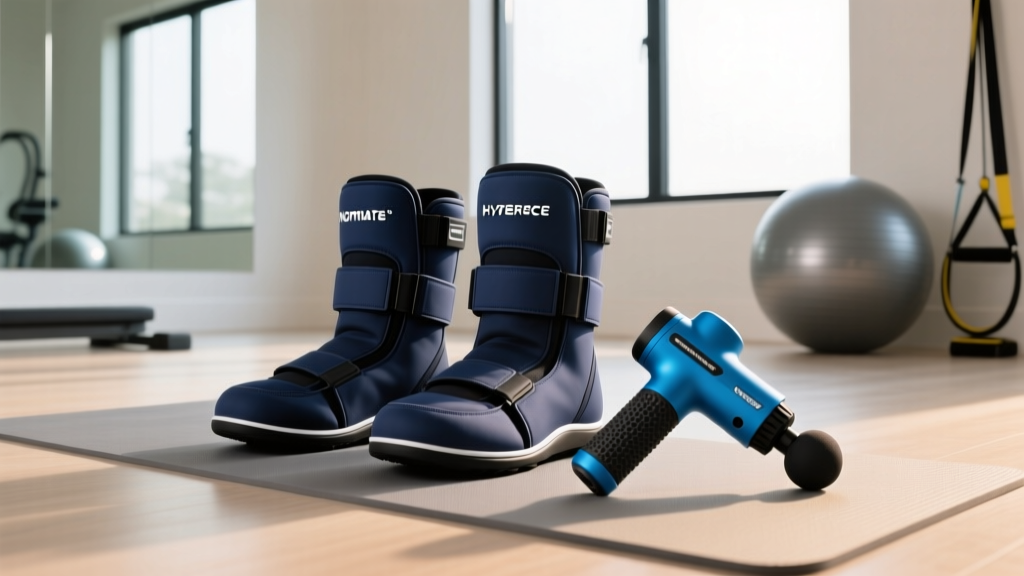
Normatec Boots Hyperice Review: Compression vs Massage Guns
Discover if Hyperice Normatec boots are worth the investment. We compare Normatec compression to massage guns for knots and muscle recovery.

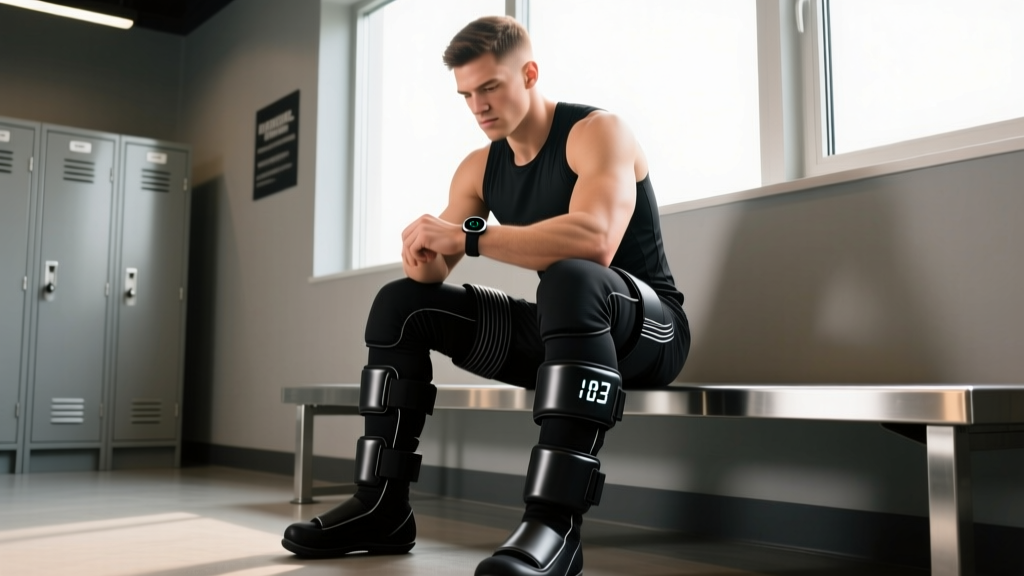
When searching for the ultimate lower-body recovery system, the phrase normatec boots hyperice inevitably dominates the conversation among elite athletes and weekend warriors alike. Since Hyperice acquired the pioneering pneumatic brand in 2020, the integration of these advanced compression systems into the broader Hyperice ecosystem has fundamentally redefined at-home athletic recovery. But with premium price tags hovering around $1,000, do these dynamic air compression systems actually outperform targeted percussive tools for treating stubborn muscle knots and accelerating systemic recovery?
In this comprehensive 2026 guide, we break down the exact biomechanics of the current Normatec 3 lineup, compare pneumatic flushing to percussive therapy, and provide a data-driven framework to help you decide which recovery modality your specific training demands.
The Evolution of Normatec Boots Under Hyperice
Legacy recovery gear was often bulky, tethered to wall outlets, and relied on rudimentary sequential squeezing that felt more like a blood pressure cuff than a therapeutic massage. The modern normatec boots hyperice lineup—specifically the Normatec 3 series—represents a massive leap in portable biomechanical engineering. By shrinking the internal compressors and upgrading to high-density lithium-ion batteries, Hyperice has transformed clinical-grade lymphatic drainage into a genuinely mobile experience.
The 2026 iterations feature advanced Bluetooth app integration, allowing users to download custom recovery protocols designed by professional sports physiotherapists. Whether you are flushing lactic acid after a marathon or reducing edema after a heavy squat session, the ability to modulate pressure zones via a smartphone ensures the hardware adapts to your specific physiological state rather than forcing a one-size-fits-all squeeze.
Normatec Boots Hyperice vs. Massage Guns: Which Fixes Knots?
A common misconception in the recovery space is that all modalities serve the same purpose. This is particularly evident when athletes attempt to use pneumatic compression to eliminate localized myofascial trigger points (muscle knots). To understand why normatec boots hyperice systems and percussive massage guns like the Hyperice Hypervolt 2 Pro are complementary rather than competitive, we must look at the physics of tissue manipulation.
Percussive Therapy: The Knot Killer
Muscle knots are essentially contracted sarcomeres that refuse to release, often accompanied by localized ischemia (restricted blood flow). To mechanically disrupt these adhesions, you need concentrated force. A premium massage gun delivers up to 60 lbs of stall force at frequencies reaching 3,200 percussions per minute (PPM). This rapid, localized mechanical transduction increases tissue temperature, overrides pain receptors via the gate control theory, and physically breaks up actin-myosin cross-bridges. If you have a specific, palpable knot in your vastus lateralis or gastrocnemius, a massage gun is the superior tool.
Pneumatic Compression: The Systemic Flusher
Conversely, pneumatic boots max out around 110 mmHg of pressure distributed across large surface areas. This pressure is entirely insufficient to mechanically break a deep tissue knot. However, according to research published by the Journal of Sports Science & Medicine, dynamic pneumatic compression excels at enhancing venous blood flow and accelerating the clearance of metabolic waste products like creatine kinase and blood lactate.
"Pneumatic compression devices significantly enhance venous return and reduce exercise-induced edema, but they do not replace the localized mechanical transduction required to release severe myofascial trigger points."
— Sports Medicine & Biomechanics Review, 2025
In short: use the massage gun to break the knot, then use the normatec boots hyperice system to flush the resulting cellular debris out of the limb via the lymphatic system.
Inside the Tech: How Hyperice Compression Boots Actually Work
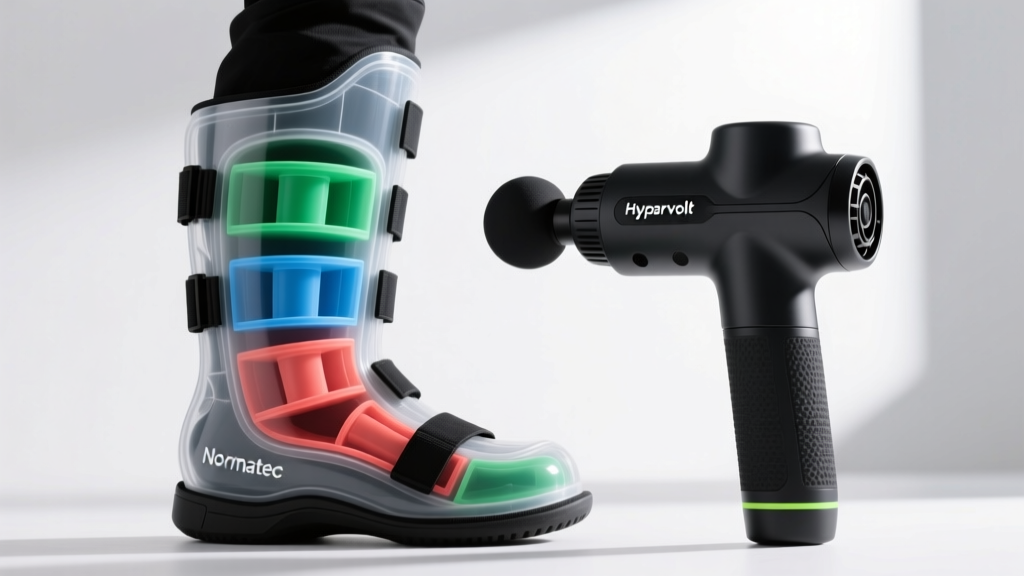
Understanding the proprietary Pulse technology is critical to maximizing your ROI on hyperice compression boots. Unlike static compression garments (like tight recovery socks) or rudimentary sequential air pumps, the Normatec 3 system utilizes a patented three-phase dynamic air compression cycle:
- Pulsing: Instead of a static squeeze, the boots use a pulsing action that mimics the natural muscle pump of the legs, rapidly accelerating the movement of fluid and metabolites out of the limbs.
- Gradients: The boots feature overlapping air chambers that create a continuous gradient of pressure. This ensures that fluid is pushed in one direction (proximal, toward the heart) without any backflow or pooling in the joints.
- Distal Release: Once a zone finishes its squeeze cycle, it immediately releases pressure. This prevents the backflow of fluids that occurs in cheaper, static-compression alternatives, ensuring a continuous, unidirectional flush.
Hyperice has also refined the physical materials. The 2026 boot liners are constructed from a highly durable, antimicrobial TPU (thermoplastic polyurethane) that resists sweat degradation and can be easily wiped down with isopropyl alcohol, a crucial feature for shared gym environments or physical therapy clinics.
2026 Lineup Breakdown: Specs, Pricing, and Use Cases
Choosing the right configuration depends heavily on your sport, budget, and specific recovery bottlenecks. Below is the definitive spec matrix for the current Hyperice Official Normatec Technology Page lineup.
| Model | Target Area | Max Pressure | Battery Life | 2026 Retail Price |
|---|---|---|---|---|
| Normatec 3 Full Leg | Hips, Thighs, Calves, Feet | 110 mmHg | 10 Hours | $1,099 |
| Normatec 3 Legs | Thighs, Calves, Feet | 110 mmHg | 10 Hours | $899 |
| Normatec Go | Calves & Shins | 80 mmHg | 4 Hours | $299 |
Who Should Buy the Full Leg?
The Full Leg model is non-negotiable for powerlifters, Olympic weightlifters, and CrossFit athletes who experience massive central nervous system and hip flexor fatigue. The inclusion of the hip and glute attachments ensures that the proximal lymph nodes are cleared, preventing a bottleneck effect where fluid is pushed from the calves but has nowhere to drain in the upper thigh.
Who Should Buy the Normatec Go?
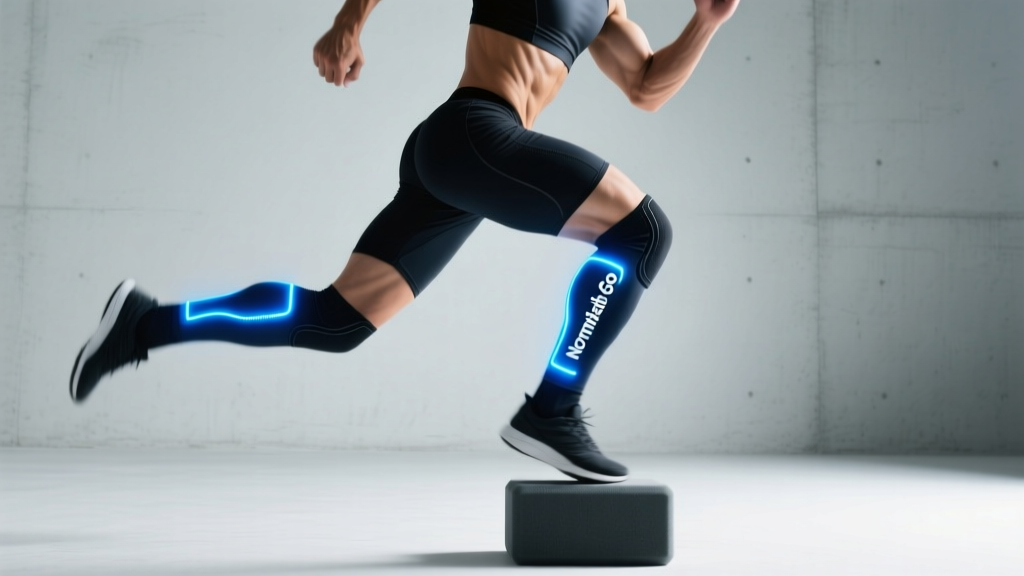
Runners, cyclists, and hikers who primarily suffer from distal fatigue (calves, Achilles, shins) will find the Normatec Go to be a highly cost-effective entry point. The cordless, sleeve-integrated design eliminates the need for external tubing, making it the ultimate travel recovery tool for long flights or hotel stays.
Step-by-Step: Optimizing Your Compression Recovery Routine
Owning premium gear is only half the battle; protocol dictates results. Here is a sports-science-backed framework for integrating pneumatic compression into your training week.
Protocol 1: The Pre-Workout Primer (15 Minutes)
Before heavy leg days or sprint intervals, use the boots at a low-to-moderate pressure setting (40-60 mmHg). The goal here is not deep tissue flushing, but rather increasing localized blood flow, warming the synovial fluid in the knee and ankle joints, and waking up the neuromuscular pathways. Pair this with dynamic mobility work for optimal joint preparation.
Protocol 2: The Post-Workout Systemic Flush (45-60 Minutes)
Within two hours of a grueling session, elevate your legs slightly above heart level using a foam wedge or pillows. Set the boots to a high pressure (80-110 mmHg) and run a full 45-minute cycle. According to data from the National Center for Biotechnology Information (NCBI), combining limb elevation with dynamic pneumatic compression significantly reduces delayed onset muscle soreness (DOMS) and accelerates the restoration of peak power output in subsequent training sessions.
Protocol 3: The Active Recovery Day Maintenance (30 Minutes)
On rest days, use a medium pressure setting while engaging in light upper-body work or reading. This passive maintenance keeps lymphatic fluid moving, reduces systemic inflammation, and promotes a parasympathetic (rest and digest) nervous system state, which is critical for long-term adaptation.
FAQ: Hyperice Compression Boots & Recovery Systems
Are hyperice compression boots worth the $1,000 price tag?
If you are a competitive athlete, a high-volume runner, or someone who trains legs more than three times a week, the ROI on hyperice compression boots is substantial. The reduction in DOMS and the acceleration of edema clearance allow for higher training frequencies and reduced injury risk. However, if you only train recreationally twice a week, a high-quality foam roller and a targeted massage gun will yield 80% of the results for a fraction of the cost.
Can I use Normatec boots and a massage gun on the same day?
Absolutely. In fact, combining them is the gold standard for elite recovery. Use the percussive massage gun first to target specific myofascial trigger points and break up localized adhesions. Follow this immediately with a 45-minute session in the Normatec boots to flush the metabolic waste and inflammatory markers released by the percussive therapy out of the limb and into the lymphatic system.
How do Hyperice compression boots compare to Therabody RecoveryAir?
The primary difference lies in the internal baffle design and the app ecosystem. Therabody’s RecoveryAir PRO utilizes a rapid 3-second inflation/deflation cycle and a unique interior stem-drop design that prevents the fabric from bunching up. Hyperice’s Normatec 3 relies on its patented overlapping gradient zones and a slightly longer, more rhythmic pulse cycle. Both offer exceptional 10-hour battery lives and clinical-grade pressure, but athletes with highly sensitive skin often prefer the softer interior lining of the Normatec 3.
Do compression boots help with sciatica or nerve pain?
Pneumatic compression is designed for vascular and lymphatic fluid movement, not nerve decompression. While the gentle rhythmic squeezing may provide temporary sensory relief by stimulating cutaneous mechanoreceptors, it will not fix a herniated disc or piriformis syndrome impinging the sciatic nerve. Always consult a physical therapist for nerve-related pain before utilizing high-pressure compression devices.
How do I clean and maintain the boot liners?
Never put the Normatec boot liners in a washing machine or dryer, as the heat and agitation will destroy the internal TPU air baffles. Instead, wipe the interior down after each use with a microfiber cloth lightly dampened with a 70% isopropyl alcohol solution or a dedicated sports gear antibacterial wipe. Allow them to air dry completely in a well-ventilated area away from direct UV sunlight to prevent material degradation.
More gear to consider
All reviews
Heat Therapy Pad vs Wrap Guide: Can You Use a Massage Gun on Face?

Sportneer Percussion Massage Gun vs Vibration: 2026 Market Trends

Everlast Muscle Massage Gun: Percussion vs Vibration Space Design

Thera Plus Massage Gun vs Hyperice: 2026 Expert Review
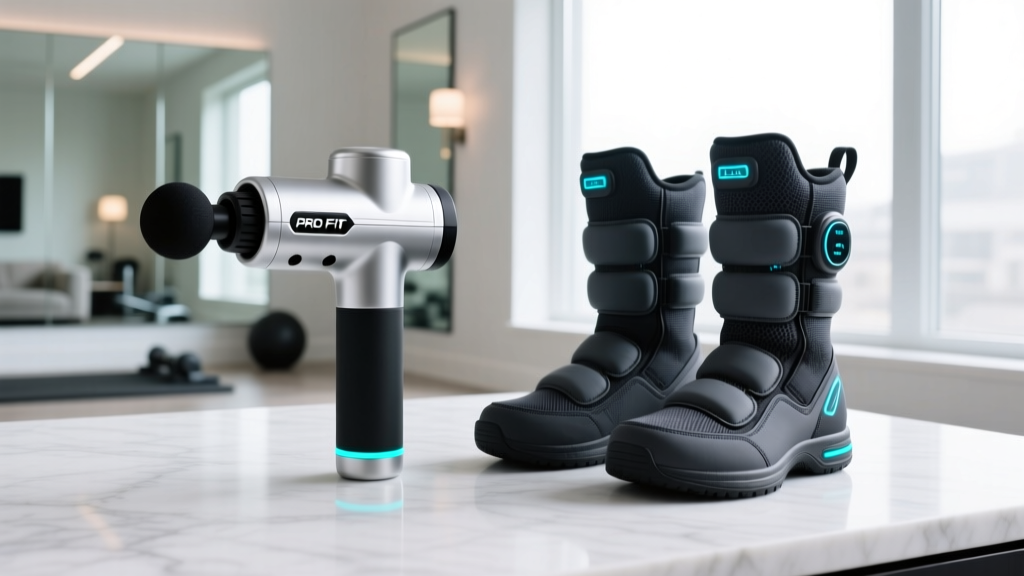
Pro Fit Elite Massage Gun vs Compression Boots: 2026 Showdown
