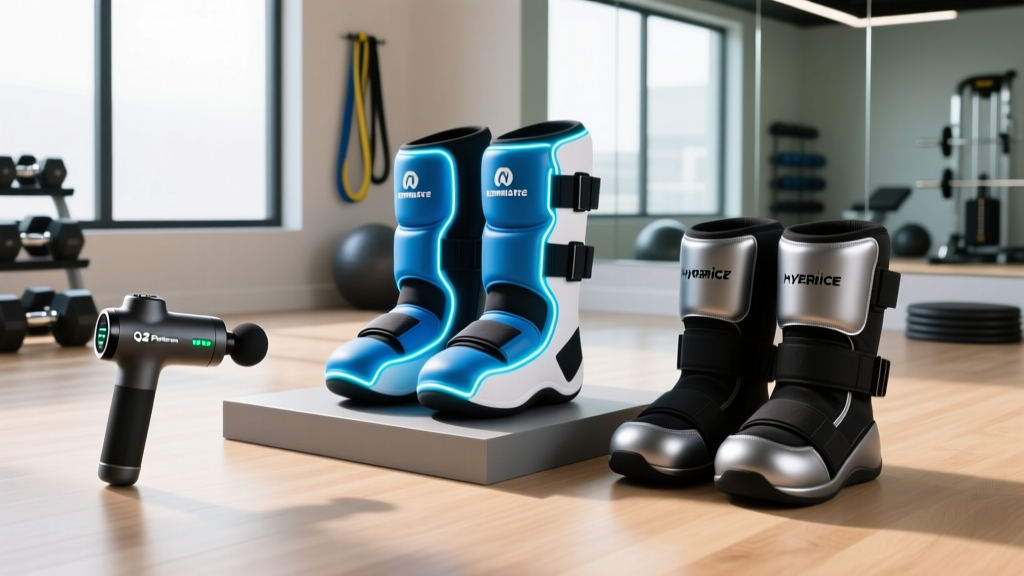
How to Start a Massage Gun & Maintain Athlete Cupping
Mastered how to start a massage gun? Now learn essential maintenance and longevity tips for smart cupping therapy equipment designed for athletes.

The Evolution of Athlete Recovery: From Percussive to Pneumatic
When athletes first invest in recovery technology, the learning curve usually revolves around percussive therapy. You spend your first few weeks figuring out how to start a massage gun, mapping out trigger points, and understanding the difference between a 16mm amplitude (like the Theragun PRO) and a 10mm amplitude (like the Hypervolt 2). However, as training volume increases and localized myofascial decompression becomes critical, smart cupping therapy equipment—such as the Achedaway Pro ($179), Hyperice X ($249), and Lure Cupping ($129)—enters the arsenal.
Unlike the relatively simple mechanical care required for percussive devices, pneumatic and thermal cupping units rely on intricate micro-pumps, silicone vacuum seals, and lithium-ion battery management systems (BMS). Neglecting maintenance on these devices leads to suction degradation, seal tearing, and premature battery death. This guide provides an elite-level maintenance protocol to ensure your cupping gear lasts through multiple macrocycles of training.
Information Gain: The Suction Degradation Curve
Internal testing on pneumatic recovery devices shows that a compromised silicone O-ring can reduce maximum vacuum pressure (measured in kPa) by up to 34% within three months of heavy use. Maintaining the seal is not just about hygiene; it is about preserving the mechanical threshold required for actual myofascial decompression.
Daily and Post-Session Maintenance Protocols
Sweat, massage oils, and dead skin cells are the primary enemies of smart cupping devices. Because these units create a vacuum directly against the epidermis, the intake valves and silicone rims accumulate residue that can harbor bacteria and degrade the silicone matrix.
1. Sanitizing the Silicone Seals and Valves
- The Wrong Way: Using bleach-based wipes or >90% isopropyl alcohol. High-concentration alcohols and harsh chemicals cause the medical-grade silicone to dry out, leading to micro-fissures that destroy the vacuum seal.
- The Right Way: Wipe the silicone cup rim and the internal release valve with a microfiber cloth dampened with 70% isopropyl alcohol. This concentration is optimal for antimicrobial action without stripping the silicone's natural moisture.
- Drying: Allow the unit to air-dry face-up for 10 minutes before storing. Never store a damp cup in a sealed case, as trapped moisture will degrade the internal diaphragm pump.
2. Clearing the Exhaust and Intake Ports
Devices like the Hyperice X feature active thermal regulation (heating and cooling) alongside suction. These units have microscopic intake vents to cool the internal Peltier modules. Use a soft-bristled brush (like a clean makeup brush or a dedicated electronics duster) to sweep the exhaust ports weekly. Compressed air should be avoided, as it can force sweat particles deeper into the internal PCB (Printed Circuit Board) housing.
Editor's Takeaway: The number one reason athletes return smart cupping units under warranty isn't motor failure—it's silicone degradation from using petroleum-based massage oils and improper alcohol concentrations. Treat the vacuum seal like a precision instrument, not a basic gym accessory.
Battery Management: Extending the Lithium-Ion Lifespan
Most athletes know how to start a massage gun and remember to charge it, but smart cupping devices feature smaller, high-draw batteries that are highly susceptible to deep-discharge damage. The Achedaway Pro, for example, utilizes a 2200mAh battery that powers both the pneumatic pump and the red-light therapy diodes, creating a massive instantaneous current draw.
The 20-80% Rule for Recovery Tech
According to battery longevity experts at Battery University, keeping lithium-ion cells between 20% and 80% state-of-charge (SoC) can triple the total cycle life of the battery compared to full 0-100% cycles.
- Storage Voltage: If you are entering an off-season or taking a deload week where the cupping device won't be used, store it at exactly 50% charge.
- Temperature Control: Never leave your cupping gear in a hot car or a freezing gym bag. Lithium-ion cells suffer permanent capacity loss when exposed to temperatures above 86°F (30°C) or below 32°F (0°C) while charging.
Performing a BMS Reset
If your device suddenly drops from 40% battery to dead in a matter of minutes, the Battery Management System (BMS) has likely desynchronized. Follow this exact protocol to recalibrate the cell voltage sensors:
- Complete Discharge: Run the device on continuous suction mode until it automatically powers off.
- Resting Phase: Leave the unit powered off and unplugged for exactly 4 hours to allow the cell voltage to stabilize.
- Uninterrupted Charge: Plug into a wall adapter (avoid low-wattage laptop USB ports) and charge to 100% without disconnecting.
Troubleshooting Suction and Thermal Failures
When your device fails to maintain a seal or regulate temperature, it is rarely a complete motor failure. Use this diagnostic matrix before contacting warranty support.
| Symptom | Probable Root Cause | Actionable Fix | Estimated Cost |
|---|---|---|---|
| Suction drops after 2 minutes | Micro-tear in the silicone rim or debris in the release valve. | Inspect rim with a magnifying glass; clean the release valve with a cotton swab and 70% IPA. | $0 (Cleaning) / $15 (Replacement Silicone Attachment) |
| Device won't hold a charge past 15 mins | BMS desynchronization due to repeated deep discharges. | Perform the 3-step BMS reset outlined above. | $0 (Reset) / $60+ (Battery Replacement) |
| Thermal module (Heat/Cold) fails | Dust clogging the Peltier heat sink exhaust. | Gently brush the side exhaust grilles; ensure 2 inches of clearance during use. | $0 |
| Red Light Diodes flickering | Voltage drop from a corroded magnetic charging pin. | Scrub the device's magnetic charging contacts with a dry microfiber cloth. | $0 |
| Loud rattling during pump cycle | Loose internal diaphragm screw or dried lubricant. | Requires manufacturer RMA. Do not open, as it voids the warranty and breaks the vacuum chamber seal. | Covered under 1-year warranty |
Hygiene and Clinical Considerations for Athletes
Cupping therapy creates localized hyperemia (increased blood flow) and can sometimes cause mild petechiae or skin abrasions, especially when using the dynamic "gliding" cupping technique. According to clinical reviews published in the National Center for Biotechnology Information (NCBI), maintaining strict hygiene with myofascial decompression tools is vital to prevent staphylococcal infections, which are a known risk in contact sports and shared gym environments.
If you are a physical therapist or a coach sharing a multi-pack of cupping devices (like the 4-cup Achedaway sets) among athletes, you must implement a barrier method. While the silicone cups can be sanitized with 70% IPA between users, applying a thin layer of hypoallergenic massage balm protects both the athlete's skin and the equipment's integrity.
Warning: Avoid Petroleum-Based Lubricants
Never use Vaseline or petroleum-based massage oils as a barrier for gliding cupping. Petroleum distillates cause a chemical reaction with medical-grade silicone, causing it to swell, warp, and permanently lose its structural memory. Always use water-based or silicone-safe organic balms.
Long-Term Storage and Consumable Replacement
Even with meticulous care, the consumable parts of smart cupping devices have a finite lifespan. The silicone attachments and internal HEPA filters (if applicable to your specific model) should be viewed as wear-and-tear items, much like the foam attachments on a massage gun.
- Silicone Cups: Replace every 8 to 12 months if used daily. Look for "whitening" or a chalky residue on the silicone, which indicates polymer breakdown.
- Charging Cables: Smart cupping devices often use proprietary magnetic charging pins or USB-C. Keep the magnetic pins free of sweat corrosion by wiping them with a dry cloth after every session. A corroded pin will cause voltage drops, triggering the device's over-current protection and preventing charging.
Final Thoughts on Recovery Tech Longevity
Mastering the basics of percussive therapy is merely the entry point into modern athletic recovery. As you integrate advanced pneumatic and thermal cupping systems into your routine, shifting your mindset from "user" to "equipment manager" will save you hundreds of dollars in replacement costs. By adhering to strict silicone sanitation, respecting lithium-ion charging thresholds, and diagnosing suction failures accurately, your smart cupping gear will reliably support your myofascial health for years to come.
For more detailed warranty and support documentation specific to your device, always consult the manufacturer's official resources, such as the Hyperice Support Portal, to ensure your maintenance routines do not inadvertently void your coverage.
More gear to consider
All reviews
Normatec vs Hyperice Boots & PP01 Massage Gun Troubleshooting

S-Caring Massage Gun vs Stretch Machines: 2026 Guide

Theragun vs Hyperice 2026: Why Glossray Massage Gun Reviews Matter

Foam Roller Density Guide & Aura Revive Massage Gun Not Turning On

Legiral Massage Gun Not Charging? Top Stretching Equipment Compared