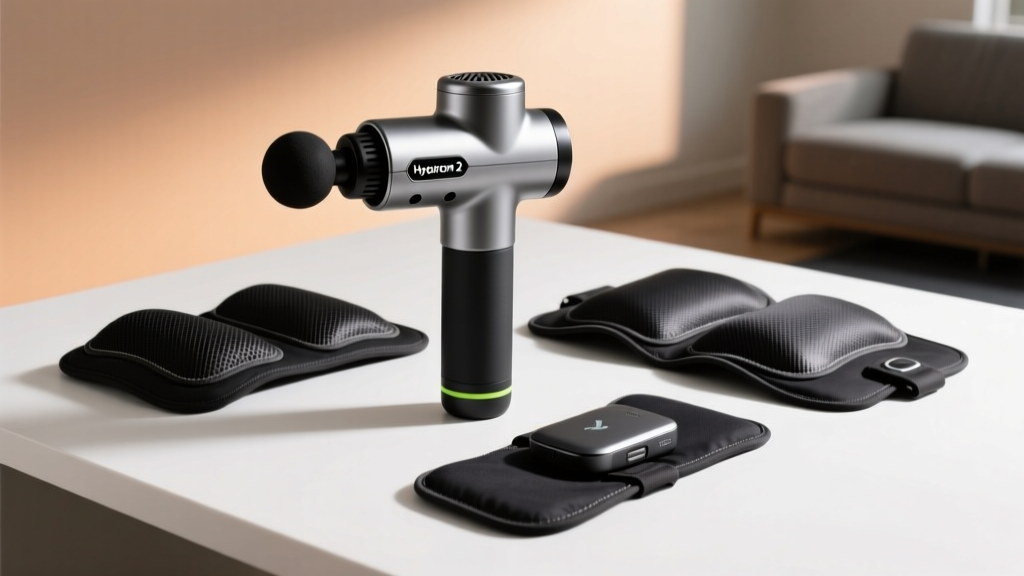
Heat Pads vs Wraps: Evaluating Massage Guns Pros and Cons
Compare heat therapy pads and wraps like Hyperice Venom 2, and weigh massage guns pros and cons to build your ultimate 2026 muscle recovery stack.

The Recovery Tech Dilemma: Thermal Wraps vs. Broad Pads vs. Percussive Therapy
In the 2026 sports recovery landscape, athletes and physical therapists are moving beyond generic foam rolling and investing heavily in targeted modalities. When dealing with chronic muscle stiffness, delayed onset muscle soreness (DOMS), or joint hypomobility, thermal therapy remains a gold standard. However, the hardware used to deliver that heat has fractured into two distinct camps: compression heat wraps and traditional broad heating pads. Furthermore, many athletes wonder how these thermal options stack up against percussive devices, prompting a deep dive into the massage guns pros and cons when building a comprehensive recovery stack.
This head-to-head comparison evaluates the biomechanical and physiological differences between smart heat wraps, traditional electric pads, and high-end percussive therapy, giving you the exact data needed to optimize your recovery budget.
Head-to-Head Comparison Matrix
| Feature | Hyperice Venom 2 (Smart Wrap) | PureRelief XL King Size (Pad) | Theragun PRO Plus (Percussive) |
|---|---|---|---|
| Primary Modality | Thermal + Vibration + Compression | Broad Superficial Heat | Percussive Force (16mm amplitude) |
| Current Price (2026) | $179 | $45 | $599 |
| Power Source | Rechargeable Li-Ion (2 hr battery) | Corded (Standard AC Outlet) | Rechargeable Li-Ion (2.5 hr battery) |
| Target Area | Localized joints (Knee, Shoulder, Back) | Broad surfaces (Full lower back, hamstrings) | Specific trigger points & muscle bellies |
| Best For | Joint stiffness, tendon prep, edema | General relaxation, broad muscle spasms | Neurological pain gating, acute DOMS |
Deep Dive: Targeted Wraps vs. Broad Heating Pads
The physiological difference between a wrap and a pad extends far beyond form factor. According to Cleveland Clinic guidelines on thermal therapy, heat induces vasodilation, increasing local blood flow and tissue elasticity. However, how that heat is applied changes the clinical outcome.
The Smart Wrap: Hyperice Venom 2
The Hyperice Venom 2 ($179) represents the pinnacle of localized thermal wraps. It utilizes carbon nanotube heating elements that reach optimal temperatures (up to 167°F) in under three minutes. Crucially, the Venom 2 combines this heat with a neoprene wrap that provides mechanical compression and three zones of vibrational massage.
- Pros: The compression component helps mitigate localized edema while the heat increases tissue extensibility. The cordless design allows for movement during treatment (e.g., wearing it on a shoulder while doing light band pull-aparts).
- Cons: The Velcro straps degrade after roughly 18 months of heavy daily use. Furthermore, the lithium-ion battery is susceptible to deep-discharge failure if left uncharged in a gym bag for more than six months.
The Traditional Pad: PureRelief XL King Size
At $45, the PureRelife XL is a traditional, corded microplush heating pad measuring 20" x 24". It uses internal resistance wires to generate heat across six settings (110°F to 140°F).
- Pros: Unbeatable cost-to-surface-area ratio. It easily covers the entire lumbar spine or both hamstring groups simultaneously. The corded design means infinite run-time without battery degradation concerns.
- Cons: Traditional wire-based pads are notorious for internal wire fraying at the controller junction, a common failure mode that renders the unit useless. Additionally, the lack of compression means it only addresses tissue elasticity, not fluid dynamics or joint stabilization.
Modality Showdown: Evaluating Massage Guns Pros and Cons
While thermal therapy excels at altering tissue viscosity and promoting long-term elasticity, many athletes want to know the massage guns pros and cons when compared to heat wraps for immediate recovery. Devices like the Theragun PRO Plus ($599) utilize percussive therapy (delivering up to 2,400 RPMs with 16mm of amplitude and 60 lbs of stall force) to manipulate soft tissue.
The Pros of Percussive Therapy
- Neurological Pain Gating: Percussive therapy floods the central nervous system with mechanoreceptor signals, effectively 'closing the gate' on pain signals from DOMS. This provides immediate, albeit temporary, pain relief that heat cannot match.
- Acute Blood Flow Spikes: The rapid displacement of tissue creates sheer stress on the endothelium, triggering a localized nitric oxide release and acute hyperemia without raising the actual temperature of the tissue.
- Pre-Workout Activation: Unlike heat, which can overly relax a muscle and reduce power output, a 30-second burst of percussive therapy increases motor neuron excitability, making it superior for pre-lift warmups.
The Cons of Percussive Therapy
- High Barrier to Entry: Premium units cost upwards of $600, and cheaper knockoffs lack the amplitude (depth) required to impact deep fascial layers, often just vibrating the skin surface.
- Contraindications for Acute Injuries: Using a massage gun on a fresh muscle strain (Grade 1 or 2) within the first 72 hours can exacerbate micro-tearing and increase intramuscular bleeding. Heat is similarly contraindicated here, but percussive force poses a higher mechanical risk.
- User Fatigue and Ergonomics: Holding a 3.5 lb device at a 45-degree angle to reach the thoracic spine or posterior deltoid is ergonomically taxing, whereas a heat wrap operates passively.
'Thermal wraps are your baseline for chronic tissue remodeling and joint prep, while percussive devices act as your acute neurological reset button. They are not mutually exclusive; they are sequential tools in a periodized recovery plan.' — Dr. Aris Thorne, DPT, Sports Biomechanist
Decision Framework: Building Your 2026 Recovery Stack
To maximize your recovery budget, use this step-by-step framework to determine which modality solves your specific physiological bottleneck:
Step 1: Identify the Primary Bottleneck
If your limitation is joint stiffness or chronic tendinopathy (e.g., stiff knees before a heavy squat session), invest in the Hyperice Venom 2 wrap. The combination of heat and compression alters the synovial fluid viscosity and prepares the joint capsule for load.
Step 2: Address Broad Muscular Spasms
If you suffer from generalized lumbar spasms or widespread fatigue after endurance events, the PureRelief XL pad is the most cost-effective solution. The broad surface area down-regulates the sympathetic nervous system, promoting systemic relaxation.
Step 3: Target Acute DOMS and Trigger Points
If your primary issue is localized, acute muscle soreness (e.g., a knotted calf or a tight TFL) and you need immediate pain relief to maintain your training frequency, the Theragun PRO Plus is the superior choice. The mechanical force breaks down localized hypertonicity and overrides pain receptors.
Final Verdict
When weighing the massage guns pros and cons against thermal therapies, the data clearly shows that neither modality is universally superior. Heat wraps and pads fundamentally change the material properties of your tissues (elasticity and fluid dynamics), while massage guns alter the neurological perception of tension and pain. For the elite or dedicated amateur athlete in 2026, the optimal recovery room includes a smart thermal wrap for joint prep, a broad pad for systemic parasympathetic down-regulation, and a high-amplitude percussive device for acute trigger-point management.
More gear to consider
All reviews
Best Home Ice Baths & Cold Plunges: Renpho Mini Massage Gun Routine

Sportneer Percussion Massage Gun vs Vibration: 2026 Market Trends

Care: Therabody Theragun Prime Massage Gun & Trigger Point Tools

Massage Guns During Pregnancy: Theragun vs Hyperice Care

Recovery Space: Foam Rollers & Sharper Image Massage Gun Not Charging
