
Cupping Therapy Equipment for Athletes: Maintenance vs Top Rated Massage Guns 2025
Master essential maintenance care for athlete cupping therapy equipment. Compare longevity, cleaning, and battery tips against top rated massage guns 2025.

The Recovery Shift: Suction vs. Percussive Therapy
As we navigate the 2026 training season, elite and amateur athletes alike are diversifying their recovery arsenals. While percussive therapy remains a foundational pillar, localized suction therapy has surged in popularity for managing fascial adhesions and promoting localized blood flow. However, a glaring gap exists in sports tech literature: maintenance protocols. Most athletes obsess over the battery health and motor care of their percussive devices, but neglect the highly specific upkeep required for cupping gear.
According to the Cleveland Clinic, cupping therapy creates negative pressure that draws blood to the surface, initiating a localized inflammatory response that accelerates healing. To achieve this, modern smart cupping devices utilize medical-grade silicone and micro-vacuum pumps. When comparing the upkeep of these smart suction devices to the top rated massage guns 2025 brought to market, the maintenance paradigms are entirely different. This guide provides a deep-dive into preserving the longevity, suction integrity, and hygiene of your cupping equipment.
The Hidden Enemy: Lipid Degradation in Silicone Cups
The most common point of failure for smart cupping devices—such as the Achedaway Pro Smart Cupping Massager (currently retailing around $159) or the Lure Cupping Pro ($139)—is not the internal electronics, but the degradation of the silicone cup rim. Athletes frequently apply massage oils, arnica salves, or CBD topicals to the skin to create a better seal and allow for gliding cupping techniques.
⚠️ The Lipid-Siloxane Reaction (Critical Failure Mode)Medical-grade silicone is composed of siloxane bonds. When exposed to lipid-heavy organic oils (like sweet almond oil or shea butter) for prolonged periods, these lipids penetrate the silicone matrix, causing it to swell, warp, and lose its structural memory. A warped rim cannot maintain a vacuum seal, rendering the device useless for deep-tissue suction.
The Fix: If you must use a lubricant for gliding cupping, opt for a water-based, silicone-compatible massage gel. Immediately after your session, wipe the silicone rim with a microfiber cloth dampened with 70% isopropyl alcohol. Avoid 90%+ alcohol concentrations, as they will rapidly dry out and micro-fracture the silicone over time.
Step-by-Step Smart Cupping Maintenance Protocol
Smart cupping devices combine heat therapy, red light therapy, and dynamic suction. The American Council on Exercise (ACE) notes that proper application and device care are vital for consistent therapeutic outcomes. Follow this exact protocol after every use:
- Release the Valve First: Never pull the device off the skin while suction is active. This stretches the silicone and strains the internal micro-vacuum pump's release valve. Always hit the quick-release button.
- Sanitize the Heating Plate: The central titanium or ceramic heating plate accumulates dead skin cells and sebum. Clean this with a specialized electronics wipe or a 70% alcohol swab. Do not use abrasive cloths that will scratch the thermal coating.
- Clear the Air Intake Filter: Devices like the Hyperice Cupping series feature microscopic air intake vents to regulate pressure. Use a can of compressed air once a month to blow out dust and skin particulates that can choke the 12V suction motor.
- Thermal Cool-Down: If you used the infrared heat function, allow the device to cool to room temperature for 15 minutes before placing it in a sealed carrying case. Trapping heat accelerates lithium-ion battery degradation.
Longevity Matrix: Cupping Devices vs. Top Rated Massage Guns 2025
To understand where your maintenance efforts should be focused, it helps to contrast the mechanical realities of suction therapy with percussive therapy. Below is a comparative matrix detailing the failure points and care requirements of leading recovery tools.
| Feature / Device | Smart Cupping (e.g., Achedaway Pro) | Percussive (e.g., Theragun PRO 5th Gen) |
|---|---|---|
| Primary Mechanical Stress | Micro-vacuum pump overheating | Brushless motor bearing wear |
| Material Vulnerability | Silicone rim lipid degradation | Closed-cell foam attachment tearing |
| Duty Cycle Limit | 15 mins continuous (pump heat limit) | 2+ hours (thermal regulation managed) |
| Sanitization Protocol | 70% Isopropyl + Microfiber | Mild soap & water for foam heads |
| Est. Functional Lifespan | 2-3 Years (Pump/Silicone failure) | 4-5+ Years (Swappable batteries) |
Battery Hygiene: 2026 Standards for Lithium-Ion Recovery Tech
Whether you are using a $150 smart cupper or a $599 Theragun, you are relying on internal lithium-ion (Li-ion) batteries. A major mistake athletes make is leaving their recovery tech plugged into a wall charger in their gym bag for weeks. According to data published by Battery University, storing a Li-ion battery at a 100% charge state in a warm environment (like a car trunk after a summer practice) causes irreversible capacity loss and increases internal resistance.
- The 50% Rule: If you are traveling or storing your cupping device for the off-season, discharge or charge it to exactly 50%.
- Temperature Control: Store devices in a climate-controlled room at roughly 60°F (15°C). Avoid leaving them in direct sunlight or freezing environments, which can cause the electrolyte fluid inside the battery cells to crystallize or vent.
- Pass-Through Charging: Never use a smart cupping device while it is plugged into the wall. The combination of the heat generated by the suction motor and the heat generated by the charging circuit will fry the internal thermal management sensors.
Manual Cupping Sets: Polycarbonate and Glass Care
Not all athletes use electronic devices; many prefer traditional manual cupping sets for their reliability and lack of reliance on batteries. However, manual sets require stringent hygiene maintenance to prevent staph infections, which are a persistent risk in locker rooms.
Polycarbonate (Plastic) Cups
Polycarbonate is shatterproof but highly susceptible to micro-scratches. When you use a harsh sponge or abrasive brush to clean the inside of a plastic cup, you create microscopic grooves. These grooves harbor bacteria and biofilm that standard wiping cannot remove. Actionable Tip: Wash polycarbonate cups in warm water with an enzymatic cleaner, and sanitize them using UV-C light wands or submersion in a diluted bleach solution (1 tablespoon of bleach per gallon of water) for exactly 5 minutes, followed by a thorough distilled water rinse.
Glass Cups (Fire Cupping)
Glass is non-porous and easily sterilized via boiling or autoclave, making it the gold standard for clinical hygiene. However, the rubber squeeze bulbs attached to modern glass cups degrade rapidly. The rubber oxidizes, becoming brittle and cracking, which ruins the vacuum seal. Replace the rubber suction bulbs every 6 months, regardless of visual wear.
Frequently Asked Questions
Can I use massage gun attachments on my cupping device?
No. The threading and motor torque requirements are entirely different. Furthermore, applying percussive force to the delicate micro-vacuum pump of a smart cupping device will instantly shatter the internal pressure diaphragm.
How do I know if my cupping device's suction motor is failing?
The earliest indicator of motor failure is a high-pitched whining sound during the suction phase, or the device struggling to maintain a seal on slightly curved body parts (like the shoulder deltoid) where it previously held firm. This usually indicates that the internal teflon seals inside the vacuum pump have worn down.
Is it safe to use smart cupping devices over recent tattoos?
No. The negative pressure and localized heat (often reaching 115°F/46°C in smart devices) can distort fresh ink, pull scabs prematurely, and introduce bacteria into the micro-wounds. Wait a minimum of 4 to 6 weeks for a tattoo to fully heal into the dermis before applying any suction therapy.
More gear to consider
All reviews
Home Cold Plunge Budget vs Sharper Image Pro Plus Massage Gun ROI

Pairing a Massage Gun for Sore Muscles with Stretching Equipment
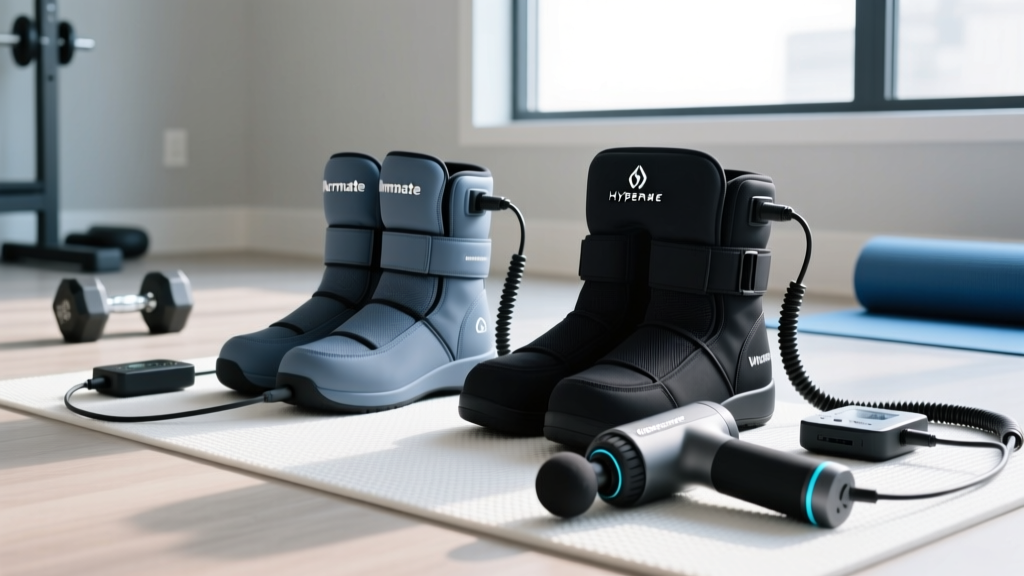
Normatec vs Hyperice Boots Setup: Integrating a Vibrapower Massage Gun

Compact Recovery: Foam Roller Guide & Trigger Points Massage Gun Chart

Heat Pads vs Wraps: Power Boost Massage Gun Routine
