
Treadmill Speeds Chart: Walking Pad Guide 2026
Master your cardio with our treadmill speeds chart. Compare walking pads and treadmills to match your exact pace goals in 2026.

The ideal walking speed on a treadmill generally falls between 2.0 and 4.0 miles per hour (mph). A casual stroll occurs at 2.0 to 2.5 mph, while a brisk, heart-pumping walk requires 3.0 to 4.0 mph. This guide is designed for home fitness enthusiasts, walking pad users, and beginners looking to optimize their daily step routines without overexerting their joints.
Key Takeaways
- Casual Walking: 2.0 to 2.5 mph is ideal for warm-ups and active recovery.
- Brisk Walking: 3.0 to 4.0 mph elevates heart rate for cardiovascular health.
- Weight Loss: Sustaining 3.5 mph to 4.0 mph maximizes caloric expenditure.
- Daily Goal: The Centers for Disease Control and Prevention recommends 150 minutes of moderate-intensity walking weekly.
The Ultimate Treadmill Walking Speed Chart
Setting the correct pace on your walking pad or traditional treadmill ensures you hit your specific fitness targets. The following comparison matrix maps speed settings to their physiological outcomes.
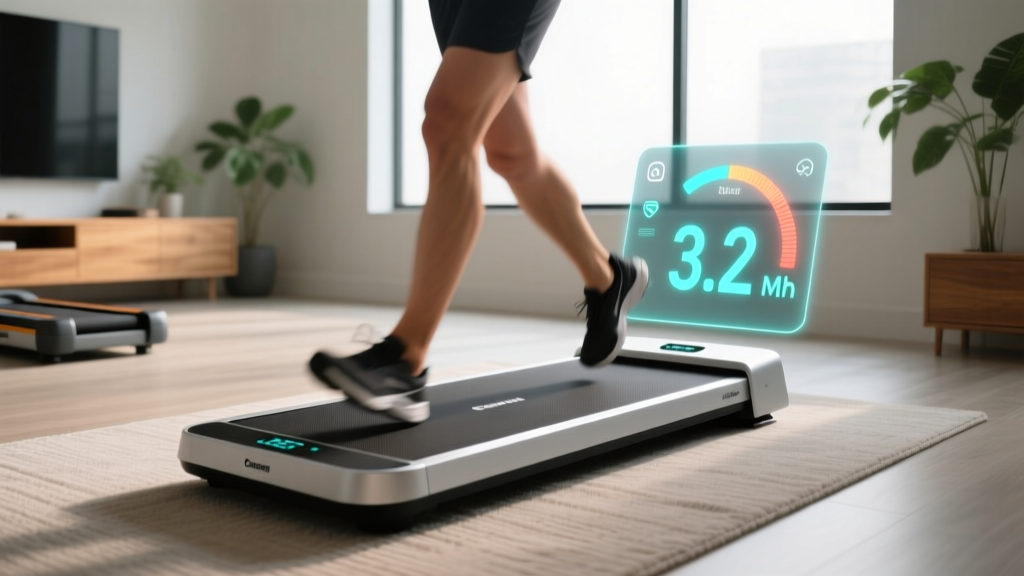
| Speed (mph) | Pace (min/mile) | Intensity Level | Primary Purpose |
|---|---|---|---|
| 1.5 - 2.0 | 40:00 - 30:00 | Light | Warm-up, cooldown, mobility |
| 2.1 - 2.9 | 28:34 - 20:41 | Light to Moderate | Casual strolling, desk walking |
| 3.0 - 3.5 | 20:00 - 17:08 | Moderate | Brisk walking, cardiovascular health |
| 3.6 - 4.0 | 16:40 - 15:00 | Vigorous | Power walking, fat oxidation |
How to Choose the Right Walking Speed on Treadmill
Your optimal treadmill pace depends entirely on your biological baseline and your specific training objectives. Adjust your machine based on the following use cases.
Best Treadmill Walking Speed for Weight Loss
Maximizing fat oxidation requires maintaining a heart rate between 60% and 70% of your maximum capacity. For most adults, this translates to a brisk walking speed on a treadmill of 3.5 mph to 4.0 mph. At 3.5 mph, a 155-pound individual burns approximately 300 calories per hour. Increasing the treadmill incline by 5% at this speed can double the caloric expenditure without requiring a jogging pace.
Treadmill Walking Speed for Seniors and Beginners
Joint preservation and balance are the primary concerns for older adults or those returning to fitness. A safe starting speed is 1.5 mph to 2.5 mph. The American Heart Association suggests starting with short, 10-minute sessions at these lower speeds before gradually increasing the duration to meet the recommended 150 minutes of weekly activity.
How Fast is a Brisk Walk on a Treadmill?
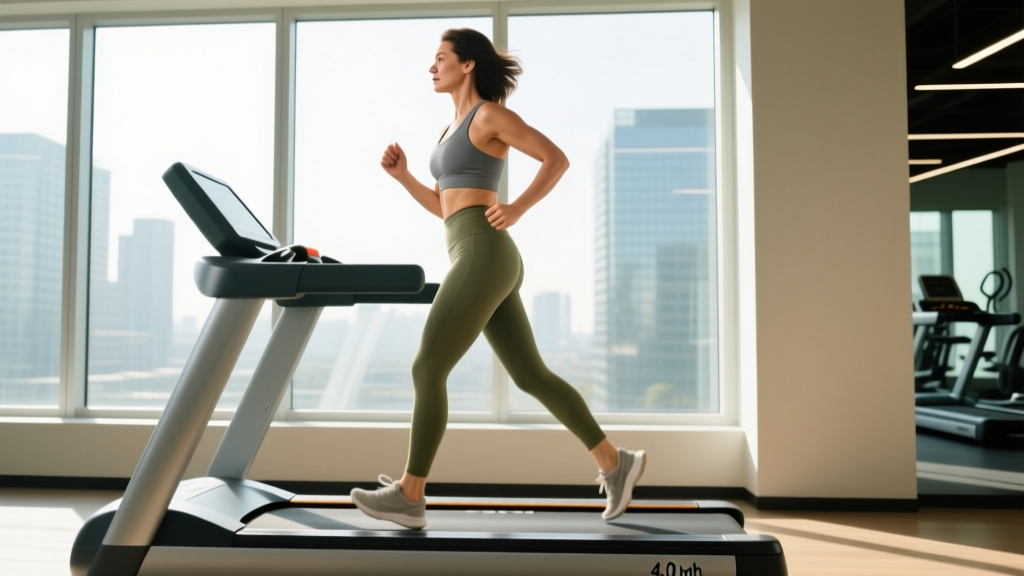
A brisk walk is defined by effort rather than a strict number, but on a flat treadmill, it typically begins at 3.0 mph. You should be able to speak in full sentences but feel slightly breathless. If you can sing comfortably, your walking speed on the treadmill is too low to qualify as moderate-intensity aerobic exercise.
Key Metrics and Definitions
Understanding exercise physiology terminology helps you interpret your walking pad data accurately.
Brisk Walking: A moderate-intensity aerobic activity performed at a pace of 3.0 to 4.0 miles per hour. It elevates the heart rate to 50-70% of its maximum capacity, allowing you to talk but not sing during the exercise.
Metabolic Equivalent of Task (METs): A physiological measure expressing the energy cost of physical activities. One MET is defined as the energy spent sitting quietly. Walking at 3.0 miles per hour on a level treadmill equates to roughly 3.5 METs.
Frequently Asked Questions
Is 2.5 mph a good walking speed on a treadmill?
Yes, 2.5 mph is an excellent speed for active recovery, walking while using a standing desk, or warming up. However, it falls just below the threshold for moderate-intensity cardiovascular training, meaning it will not significantly elevate your heart rate for aerobic conditioning.
How many steps is 30 minutes on a walking pad at 3.0 mph?
Walking at 3.0 mph for 30 minutes covers 1.5 miles. Depending on your stride length, this equates to roughly 3,000 to 3,300 steps. Reaching the popular 10,000 steps daily goal would require approximately 100 minutes of continuous walking at this pace.
Should I hold the handrails while walking on a treadmill?
Holding the handrails reduces caloric burn by up to 20% and compromises your natural walking posture. Keep your arms swinging naturally at your sides to engage your core and maintain proper spinal alignment, especially when using a walking pad without a front handrail.
Next Steps for Your Walking Routine
Finding the correct walking speed on a treadmill bridges the gap between casual movement and structured cardiovascular training. Whether you aim to burn fat at 3.8 mph or recover at 2.0 mph, precise speed control is your most valuable tool.
Your immediate next step: Program your walking pad or treadmill console with three distinct presets—a 2.0 mph warm-up, a 3.2 mph brisk cruise, and a 3.8 mph power walk. Cycle through these three speeds during your next 30-minute session to experience the physiological shifts firsthand.
More gear to consider
All reviews
Walking on Treadmill with Weights: Portable Cardio Maintenance
Elliptical vs Treadmill: Maintenance & Treadmill Calorie Loss

What Is a Good Treadmill for Seniors vs Stationary Bikes? Care Guide

NordicTrack Commercial Series 1750 Treadmill: Folding & Care Review

What's the Benefit of a Curved Treadmill vs Under-Desk Office Models?
