Walking Pad vs Horizon CST 3.5 Treadmill: Mistakes & Fixes
Compare walking pads and the Horizon CST 3.5 treadmill. Discover common buyer mistakes, mechanical troubleshooting tips, and maintenance fixes.

The Compact Cardio Dilemma: Walking Pads vs. Traditional Light-Duty Treadmills
As remote work and home fitness continue to dominate in 2026, the demand for compact cardio equipment has skyrocketed. Consumers are increasingly focused on Non-Exercise Activity Thermogenesis (NEAT)—the energy expended for everything we do that is not sleeping, eating, or sports-like exercise. According to the Mayo Clinic, increasing NEAT through daily walking can significantly impact metabolic health and weight management.
However, a massive wave of buyer's remorse has followed this trend. Many consumers blindly purchase ultra-thin walking pads without understanding their mechanical limitations, while others over-invest in light-duty folding treadmills like the Horizon CST 3.5 treadmill without knowing how to maintain them. This guide breaks down the critical mistakes buyers make when comparing walking pads to the Horizon CST 3.5, alongside a deep-dive troubleshooting manual for both form factors.
Form Factor Showdown: Walking Pad vs. Horizon CST 3.5 Treadmill
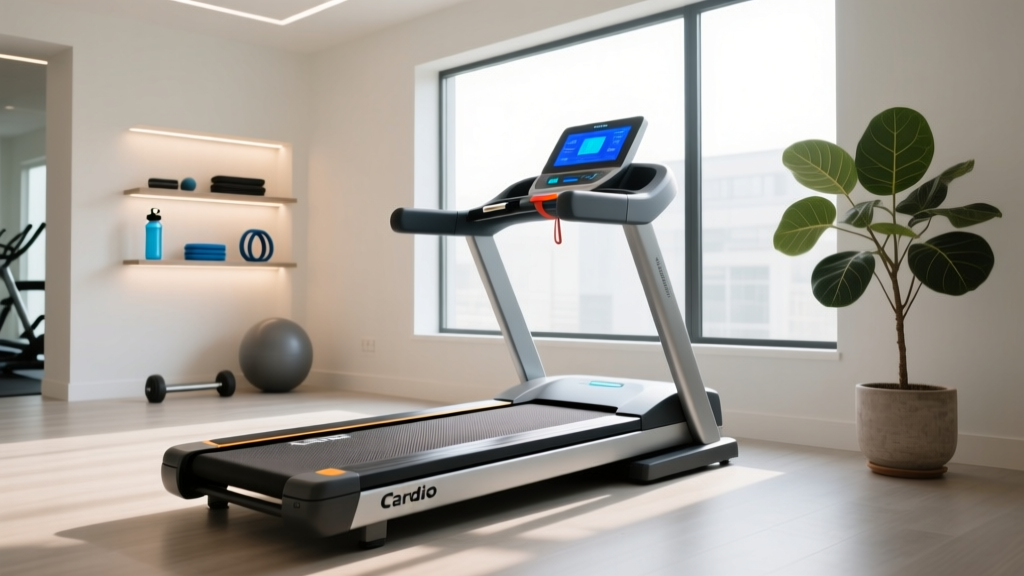
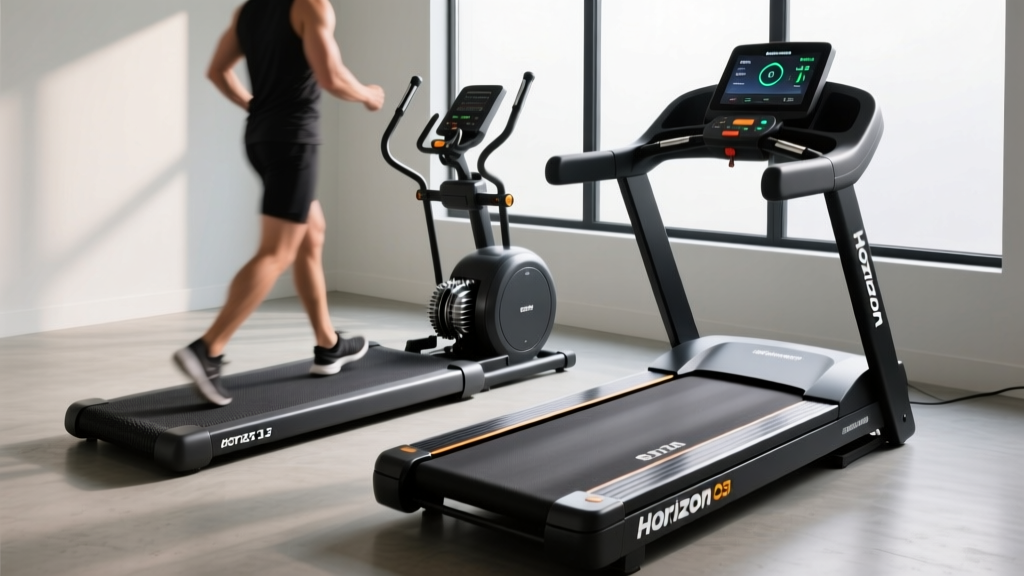
Before troubleshooting, you must understand the engineering differences between a standard under-desk walking pad and a compact traditional treadmill. The Horizon CST 3.5 is designed as a light-duty, folding treadmill with a physical console and handrails, whereas walking pads prioritize a flat, stowable deck.
| Specification | Premium Walking Pad (e.g., KingSmith X21) | Horizon CST 3.5 Treadmill |
|---|---|---|
| Motor Type | 1.5 to 2.25 HP (Peak) | 2.5 CHP (Continuous Duty) |
| Belt Dimensions | 15" x 43" (Average) | 18" x 50" |
| Max Speed | 4.0 mph (Flat) / 7.6 mph (Raised) | 10.0 mph |
| Incline | Manual or Fixed (0% to 5%) | Motorized (0% to 10%) |
| Weight Capacity | 240 lbs - 265 lbs | 300 lbs |
| Avg. Price (2026) | $350 - $550 | $799 - $899 |
5 Common Mistakes Buyers Make When Choosing Compact Cardio
1. Confusing Peak HP with Continuous Duty HP (CHP)
Walking pad manufacturers frequently advertise "2.5 HP" motors, but this is often peak horsepower, which the motor can only sustain for a few seconds before overheating. The Horizon CST 3.5 treadmill utilizes a 2.5 CHP motor, meaning it can deliver that power continuously during a 60-minute workout without thermal throttling. Rule of thumb: If you weigh over 200 lbs or plan to walk for more than 45 minutes at a time, always choose a CHP-rated motor.
2. Ignoring Belt Length for Taller Users
A 43-inch walking pad belt forces users over 5'9" to shorten their natural stride, leading to altered biomechanics and potential hip flexor strain. The 50-inch belt on the Horizon CST 3.5 accommodates a natural walking and light jogging stride. According to Physical Activity Guidelines for Americans, maintaining proper form during aerobic activity is crucial to preventing musculoskeletal injuries.
3. Assuming Walking Pads Are "Maintenance-Free"
Because walking pads lack complex motorized inclines or large consoles, buyers assume they require zero upkeep. In reality, the smaller motor housings on walking pads trap heat and dust faster, requiring more frequent lubrication than full-sized treadmills.
4. Overlooking the Safety Key and Handrail Requirement
Walking pads often rely on remote controls for emergency stops, which is dangerous if you trip. The Horizon CST 3.5 includes a magnetic safety key and sturdy handrails, making it the only safe option for seniors, individuals with balance issues, or those doing high-intensity intervals.
5. Placing Equipment on Plush Carpet
Placing either a walking pad or the Horizon CST 3.5 on thick carpet chokes the motor's cooling intake and causes the deck to flex. Always use a high-density EVA foam equipment mat to ensure proper airflow and static dissipation.
⚠️ Warranty Warning: Most walking pad warranties are instantly voided if used in a shared office space or commercial environment. The Horizon CST 3.5 offers a more robust residential warranty, but still strictly prohibits commercial gym use.Troubleshooting the Horizon CST 3.5 Treadmill
Even reliable light-duty treadmills experience wear and tear. Here is how to diagnose and fix the most common issues specific to the Horizon CST 3.5 and similar compact folding models.
Error Code E01: Communication Failure
Symptom: The console powers on, but displays "E01" and the belt refuses to move.
Diagnosis: The console is not receiving data from the lower motor control board.
The Fix:
- Unplug the treadmill from the wall for 60 seconds to reset the capacitors.
- Remove the plastic shroud covering the upright post.
- Locate the communication cable (usually a multi-pin wire running down to the motor hood).
- Disconnect and reconnect both ends of the cable. Look for bent pins or pinched wires.
- If the wire is intact but the error persists, the lower control board's optical sensor or relay has likely failed and requires a $65-$90 replacement part.
Error Code E02: Overcurrent / Motor Strain
Symptom: The treadmill starts, but shuts off abruptly after 2-5 minutes with an "E02" code.
Diagnosis: The motor is drawing too many amps, usually due to high belt friction.
The Fix: Do not immediately replace the motor. 90% of E02 errors are caused by a dry deck. Lift the belt and apply 10ml of 100% silicone treadmill lubricant directly to the center of the deck. Walk on the treadmill at 2.0 mph for 5 minutes to distribute the silicone. If the error returns, check the rear roller bearings for grinding.
Belt Slipping During Use
Symptom: You feel a hesitation or "slip" when your foot strikes the belt, even though the motor continues spinning smoothly.
The Fix: Locate the two adjustment bolts at the very back of the treadmill. Using the provided Allen wrench, turn both bolts exactly one-quarter turn clockwise. Test the treadmill. Repeat if necessary. Never turn the bolts more than a half-turn total, as overtightening will destroy the motor drive belt and strain the front roller.
Walking Pad Maintenance & Failure Modes
Walking pads have a different set of vulnerabilities due to their ultra-compact design and lack of internal cooling fans.
- Thermal Overload Shutdowns: If your walking pad stops after 20-30 minutes, the internal thermal breaker has tripped. Fix: Allow 15 minutes for cooling. Vacuum the motor housing vents (usually located at the front underside) to remove dust bunnies that block airflow.
- Remote Desyncing: Bluetooth or IR remotes frequently lose pairing. Fix: Unplug the pad. Plug it back in while simultaneously holding the 'M' and '+' buttons on the remote for 5 seconds until the LED display flashes.
- Deck Warping: Because walking pad decks are made of thinner MDF or composite wood, they can warp if stored vertically in a humid environment. Fix: Always store walking pads horizontally under a bed or sofa, or ensure the vertical storage area is climate-controlled.
Preventative Maintenance Schedule (2026 Standards)
To maximize the lifespan of your compact cardio equipment, adhere to this maintenance matrix. Consumer Reports consistently highlights that routine deck lubrication and belt alignment are the primary factors in extending treadmill life past the 5-year mark.
| Frequency | Walking Pad Task | Horizon CST 3.5 Task |
|---|---|---|
| Weekly | Wipe down belt edges with damp microfiber cloth. | Inspect safety key tether for fraying. |
| Monthly | Vacuum motor intake vents. | Check belt tracking and center alignment. |
| Every 3 Months | Apply 5ml silicone lubricant. | Apply 10ml silicone lubricant. |
| Annually | Inspect power brick for heat damage. | Tighten all frame and console bolts. |
Expert Decision Framework: Which Should You Buy?
The FitGearPulse Verdict:
Buy a Walking Pad if: You are under 220 lbs, strictly walk at speeds under 4.0 mph, have severe space constraints, and want to integrate steps into your workday without changing clothes or shoes.
Buy the Horizon CST 3.5 Treadmill if: You weigh over 220 lbs, want to incorporate light jogging or interval training, require an incline to increase cardiovascular demand, or need the safety of handrails and a magnetic emergency stop key.
Frequently Asked Questions
Can I use a walking pad on a standing desk converter?
No. Walking pads are designed to slide entirely under a desk. The height of the pad (usually 4 to 5 inches) will raise your floor level, requiring you to adjust your standing desk height to maintain proper ergonomic elbow and eye levels.
Does the Horizon CST 3.5 fold completely flat?
The CST 3.5 features a hydraulic folding deck that folds up vertically to save floor space, but the console and handrails remain attached. It requires about 10 inches of clearance when folded and must be secured with the safety pin. It does not fold "flat" like a walking pad for under-bed storage.
Why is my treadmill belt moving to the left?
Belt drift is caused by uneven tension on the rear roller. If the belt moves left, the left side is looser. Turn the left rear adjustment bolt one-quarter turn clockwise, or turn the right bolt one-quarter turn counter-clockwise. Make small adjustments and let the belt run at 3.0 mph for two minutes to observe the tracking.
More gear to consider
All reviews
3G Cardio Pro Runner Treadmill vs Rowing: Buying & Technique Mistakes

Horizon 7.4 AT Folding Treadmill vs. Walking Pads: 2026 Comparison

Treadmill Motor Size Guide: Assault Treadmill vs Motorized

Walking Pad Review: Horizon Treadmill App Setup & Installation

Curved vs Motorized: Finding the Best Hot Girl Walk Treadmill