Walking Mat vs Treadmill: Why Rowing Machines Win for Beginners
Debating walking mat vs treadmill? Discover why rowing machines win for beginners, plus a step-by-step buying guide and technique tutorial.

The Cardio Conundrum: Walking Mat vs Treadmill vs Rowing
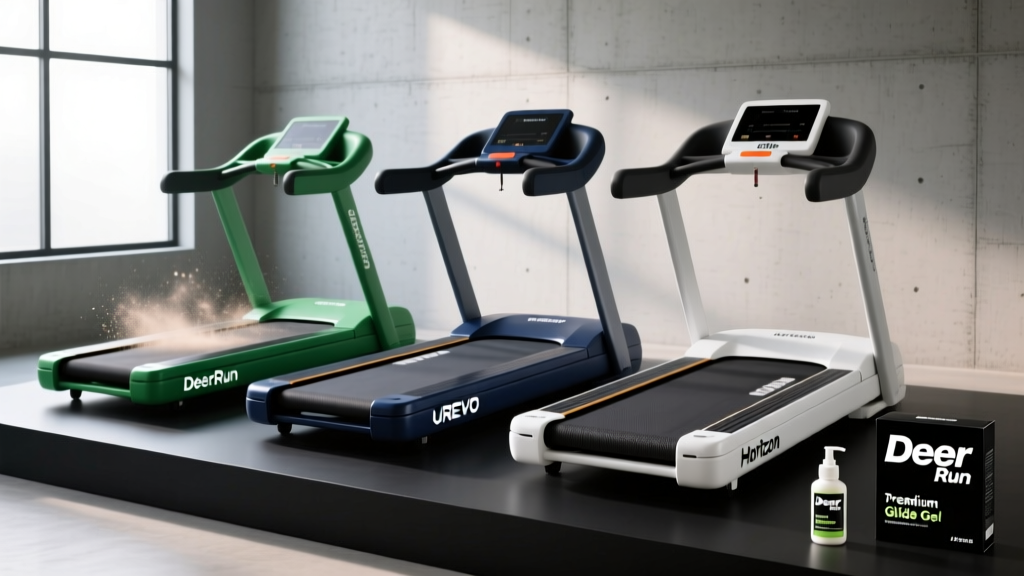
When setting up a home gym in 2026, most beginners immediately get stuck in the walking mat vs treadmill debate. Walking pads (under-desk treadmills) are incredibly popular for low-intensity steady-state (LISS) cardio, typically costing between $200 and $400. Traditional treadmills offer incline and speed variations but demand up to 60 square feet of floor space and cost upwards of $1,500 for a decent motor. However, both of these options share a critical flaw: they primarily engage only the lower body and carry repetitive impact risks for your joints.
If you want maximum cardiovascular ROI, full-body muscle engagement, and a low-impact footprint, the rowing machine is the ultimate alternative. According to the American Heart Association, engaging large muscle groups continuously is key to improving cardiovascular health and lowering blood pressure. Rowing achieves this by recruiting 86% of your body's musculature per stroke. This guide will help you pivot from the walking mat vs treadmill dilemma and provide a comprehensive, beginner-friendly step-by-step rowing machine buying and technique guide.
Cardio Matrix: Walking Mat vs Treadmill vs Rowing Machine
| Feature | Walking Mat (Pad) | Standard Treadmill | Rowing Machine |
|---|---|---|---|
| Muscle Engagement | Lower Body (40%) | Lower Body (50%) | Full Body (86%) |
| Joint Impact | Low | Moderate to High | Zero Impact |
| Avg. Calorie Burn (30m) | 100 - 150 kcal | 250 - 400 kcal | 300 - 450 kcal |
| Space / Storage | Slides under bed | Permanent footprint | Folds/stands vertically |
| Entry Price (Quality) | $250 | $1,200 | $990 |
Step-by-Step Rowing Machine Buying Guide
Buying a rower can be overwhelming due to the different resistance mechanisms. Follow these three steps to find the right machine for your home.
Step 1: Choose Your Resistance Type
The resistance mechanism dictates the feel, noise level, and maintenance of your machine.
- Air Resistance: The gold standard for performance. The Concept2 RowErg (priced around $990 in 2026) uses a flywheel fan. The harder you pull, the more resistance it generates. It is highly durable but notably loud (around 70-80 decibels).
- Magnetic Resistance: Ideal for apartments. Machines like the Echelon Row ($1,299) use electromagnetic brakes. They are virtually silent and offer precise, adjustable resistance levels, though they lack the infinite, dynamic pushback of air rowers.
- Water Resistance: Offers a soothing 'whoosh' sound and aesthetic appeal. The Hydrow Apollo ($2,295) uses a water-filled tank. It requires occasional water purification tablets to prevent algae buildup.
- Hydraulic Resistance: Beginner Warning: Avoid hydraulic piston rowers (often under $200). The pistons overheat during sessions longer than 20 minutes, causing the resistance to fade and the stroke to become jerky.
Step 2: Verify the Monorail Length and Ergonomics
Your height dictates the rail length you need. If you have an inseam over 34 inches, you need a monorail that accommodates at least 38 inches of slide. The standard Concept2 RowErg fits users up to 6'4" out of the box, with an extended rail option available for taller athletes. Always measure your designated space: you need a minimum of 9 feet in length and 4 feet in width for safe operation.
Step 3: Evaluate the Performance Monitor
Cheap rowers use basic optical sensors that wildly miscalculate wattage and split times. Look for machines with advanced accelerometers. The Concept2 PM5 monitor is universally recognized for its accuracy, allowing you to connect via Bluetooth to apps like ErgData or Zwift. Accurate metrics are crucial for tracking your 500-meter split times as you progress.
Beginner Decision Framework
Choose Air if you care about data accuracy, competitive leaderboards, and longevity.
Choose Magnetic if you live in a shared apartment, need quiet operation, and prefer guided video classes.
Choose Water if you want a premium aesthetic in your living room and love the sensory feedback of real water.
Mastering the Stroke: A Step-by-Step Technique Guide
Unlike walking on a treadmill, rowing requires technical proficiency. The Concept2 official technique guidelines emphasize that rowing is not an arm exercise; it is a powerful leg drive. The power distribution should be 60% legs, 30% core, and 10% arms.
The 4 Phases of the Rowing Stroke
- The Catch (Starting Position): Sit with your shins vertical (do not let your knees travel over your toes). Hinge forward from the hips with a flat back, arms fully extended, and shoulders relaxed. Your chest should be close to your knees.
- The Drive (The Power Phase): Push explosively with your legs first. Keep your arms straight and your torso angle unchanged until your legs are nearly fully extended. Once the legs are flat, swing your core back slightly (to about 11 o'clock), and finally, pull the handle to your lower ribs.
- The Finish (End Position): Legs are fully extended, torso is leaning back slightly, and the handle is resting just below your chest. Your wrists should be flat, not bent.
- The Recovery (The Return): This is the resting phase. Reverse the sequence: extend your arms first, hinge your torso forward past your knees, and only then bend your knees to slide back to the catch. The recovery should take twice as long as the drive (a 1:2 ratio).
Common Beginner Failure Modes
According to physical therapists and Mayo Clinic fitness guidelines, improper form in repetitive aerobic exercises is a primary cause of lumbar strain. Avoid these two critical mistakes:
- Shooting the Slide: This happens when your hips shoot up and your legs straighten before the handle moves. This transfers all the load to your lower back. Fix: Imagine your arms are ropes attached to the handle; your legs must push your torso and the handle away from the fan simultaneously.
- Hunching at the Catch: Rounding your lower back at the start of the stroke puts immense pressure on your lumbar discs. Fix: Engage your lats and sit up tall, pivoting from the hip joints, not the spine.
Your First 4-Week Beginner Rowing Plan
Transitioning from a walking mat to a rower requires conditioning your posterior chain. Follow this step-by-step progression to build endurance without overtaxing your central nervous system.
| Week | Focus | Workout Structure | Target Stroke Rate (SPM) |
|---|---|---|---|
| 1 | Form & Mechanics | 5 mins row / 2 mins rest (Repeat 3x) | 18 - 20 SPM |
| 2 | Aerobic Base | 10 mins continuous row (Steady State) | 20 - 22 SPM |
| 3 | Intervals | 1 min hard / 1 min easy (Repeat 8x) | 24 - 26 SPM (Hard) |
| 4 | Endurance | 2000-meter time trial (Record your time) | 22 - 24 SPM |
Essential Maintenance and Edge Cases
To protect your investment, rowing machines require specific upkeep that treadmills and walking pads do not.
- Chain Care (Air Rowers): The chain must be lubricated with purified mineral oil or 3-in-One oil every 50 hours of use. Wipe it down with a paper towel after every sweaty session to prevent rust and corrosion.
- Rail Cleaning: Sweat drips onto the monorail, creating a gritty paste that will eventually chew up the seat rollers. Wipe the stainless steel or aluminum rail with a damp microfiber cloth weekly.
- Bungee Cord Inspection: The elastic cord that retracts the handle loses elasticity over time. If the handle doesn't snap back briskly to the cage, consult your manufacturer to adjust the tension or replace the bungee.
While the walking mat vs treadmill debate will continue to dominate casual home fitness conversations, the rowing machine remains the undisputed champion of efficiency, full-body conditioning, and joint-friendly cardiovascular health. By selecting the right resistance type and mastering the four phases of the stroke, you will unlock a lifelong, high-yield fitness modality.
More gear to consider
All reviews
Stair Climber vs 5 mph on Treadmill: Beginner Home Guide

Cardio Machine Noise Comparison: Treadmill Hill Walk Workout

Home Stair Climber Guide & UREVO Strol 2S Pro Treadmill Review

Beyond the OTF Treadmill: Air Bike vs Assault Bike 2026 Trends

Walking Pad Reviews: Lessons From The Kelsey Kane Treadmill Video