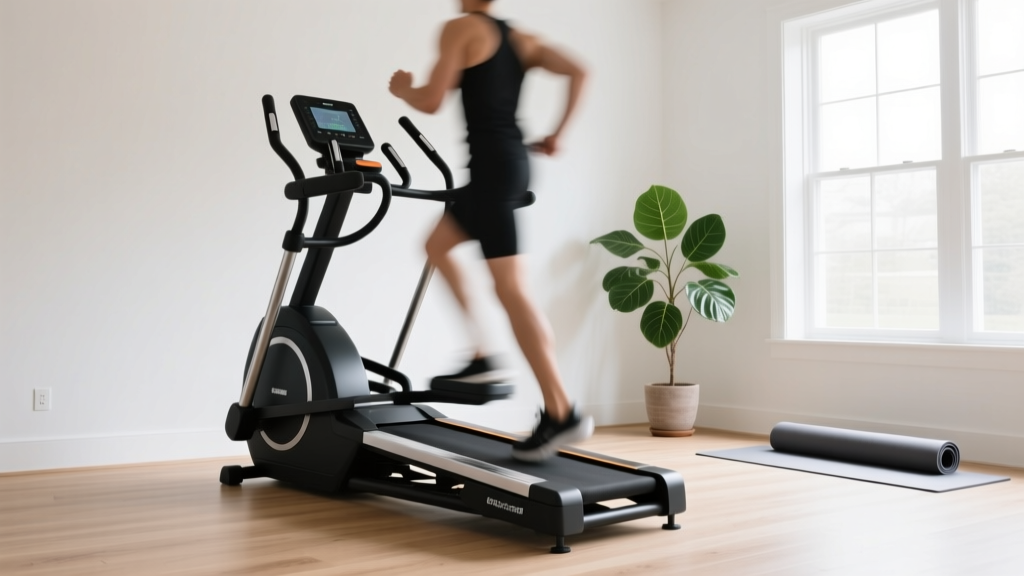
Treadmill vs Elliptical Longevity: Is It Good to Walk Barefoot?
Compare treadmill vs elliptical longevity. Learn maintenance tips, belt care, and if it is good to walk barefoot on treadmill decks to protect your gear.

The Home Cardio Dilemma: Treadmill vs. Elliptical Lifespan
When outfitting a home gym in 2026, the debate between purchasing a treadmill or an elliptical often centers on joint impact and calorie burn. However, from a maintenance and longevity perspective, these two machines age very differently. Treadmills are high-friction, motor-driven workhorses that endure relentless physical impact. Ellipticals, conversely, rely on complex pivot joints, rails, and drive belts that are highly susceptible to environmental degradation and sweat corrosion.
According to reliability data from Consumer Reports, a premium treadmill like the Sole F80 (retailing around $999) or the NordicTrack Commercial 1750 ($1,999) can easily last 10 to 12 years, provided the belt and motor are meticulously maintained. Ellipticals like the Sole E95 ($1,299) boast similar lifespans but fail in entirely different ways—usually through seized bearings or degraded polyurethane wheels. Understanding how your daily habits, including your choice of footwear, impact these mechanical systems is the key to maximizing your investment.
The Footwear Factor: Is It Good to Walk Barefoot on Treadmill Decks?
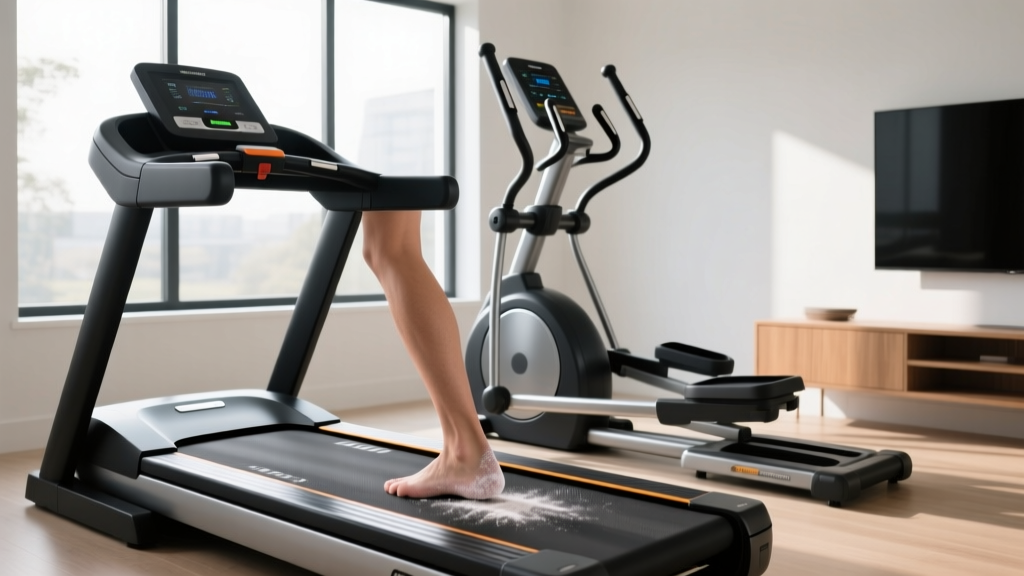
A growing trend in natural movement communities has led many home gym owners to ask: is it good to walk barefoot on treadmill belts to mimic natural grounding or save shoe wear? From a machine longevity and biomechanical standpoint, the answer is a resounding no. While barefoot walking on soft grass or specialized sensory mats has its place, doing so on a motorized treadmill deck accelerates both machine degradation and user injury risk.
⚠️ Equipment Warning: Walking barefoot or in only socks on a treadmill transfers skin oils (sebum) and acidic sweat directly onto the rubber belt. Human sweat has a pH between 4.5 and 7.0. Over time, this acidity breaks down the rubber compounds and degrades the silicone lubrication layer between the belt and the wooden composite deck, leading to premature belt snapping and deck grooving.The Biomechanical and Mechanical Toll
Running shoes are engineered with EVA foam or TPU midsoles that distribute your body weight evenly across the treadmill deck. When you walk barefoot, your strike pattern changes. The localized pressure from your heel and metatarsals creates micro-abrasions on the belt surface. Furthermore, without the traction pattern of a rubber outsole, your bare skin slips slightly upon impact, causing microscopic friction burns on the belt's top layer.
From a safety perspective, the American Podiatric Medical Association (APMA) warns against barefoot walking on unyielding surfaces, noting the lack of shock absorption increases the risk of plantar fasciitis and stress fractures. On a treadmill, the risk of stubbing your toes against the hard plastic motor hood or catching a toenail in the belt-to-deck gap is a severe hazard that can result in immediate, catastrophic injury and sudden motor amperage spikes that trip the machine's internal breaker.
Treadmill Maintenance: Protecting the Belt, Deck, and Motor
If you are committing to a treadmill for your home cardio, you must adopt a strict maintenance regimen. The most common point of failure in models ranging from $800 to $2,500 is not the console, but the motor controller burning out due to excessive belt friction.
- Silicone Lubrication: You must apply 100% pure silicone treadmill lubricant (never WD-40 or petroleum-based oils) under the belt every 150 miles or every 3 months. This reduces the coefficient of friction between the belt and the phenolic deck.
- Belt Tension and Tracking: A belt that is too tight forces the motor to work harder, drawing excess amps. If your treadmill's motor is rated for 10 amps continuous duty, a dry or over-tightened belt can push the draw to 14+ amps, eventually frying the lower control board. Check tension by lifting the belt from the center of the deck; it should rise exactly 2 to 3 inches.
- Motor Hood Vacuuming: Every 6 months, unplug the machine, remove the motor hood cover, and use a soft brush vacuum attachment to clear dust from the motor fan and drive belt. Accumulated dust acts as an insulator, causing the motor windings to overheat.
Elliptical Maintenance: Pivot Points, Rails, and Drive Systems
Ellipticals eliminate the harsh impact of treadmills, saving your joints, but they introduce a web of moving parts that require mechanical sympathy. The American Council on Exercise (ACE) highlights the elliptical's low-impact benefits, but maintaining that smooth glide requires addressing the machine's pivot points and rails.
- Rail and Wheel Cleaning: For rear-drive ellipticals, the polyurethane wheels roll along aluminum or steel tracks. Sweat drips from your body directly onto these rails. If not wiped down with a damp microfiber cloth and a mild, non-abrasive cleaner (like diluted isopropyl alcohol) after every use, the salt from your sweat will pit the metal rails, causing a bumpy, grinding ride and flat-spotting the wheels.
- Pivot Bearing Greasing: The pedal arms and uprights connect via sealed pivot bearings. While many modern 2026 models feature self-lubricating bushings, the exposed linkage joints require a drop of white lithium grease every 6 months. If you hear a rhythmic 'creak' or 'click' during your stride, a pivot point is running dry.
- Drive Belt Inspection: Inside the front shroud, a ribbed drive belt connects the crank to the flywheel. Over 3 to 5 years, this rubber belt can stretch or dry-rot. If your elliptical slips when you push hard, the drive belt tensioner needs adjustment or the belt requires replacement (a $40 to $75 part).
Wear-and-Tear Comparison Matrix
To help you decide which machine aligns with your willingness to perform upkeep, review this maintenance matrix comparing the two cardio staples.
| Maintenance Task | Treadmill (e.g., Sole F80) | Elliptical (e.g., Sole E95) |
|---|---|---|
| Lubrication / Greasing | 100% Silicone on deck (Every 3 mos) | Lithium grease on pivots (Every 6 mos) |
| Cleaning Focus | Motor hood dust, belt edge debris | Sweat off rails, console screen |
| Most Common Failure | Motor control board burnout | Seized pivot bearings / Rail pitting |
| Avg. Replacement Part Cost | $50 (Belt) to $250 (Deck/Board) | $40 (Drive Belt) to $120 (Wheel kit) |
| Footwear Impact on Wear | High (Barefoot degrades belt rubber) | Low (Footplates are static metal/plastic) |
Environmental Factors: Sweat, Humidity, and Electronics
Whether you choose a treadmill or an elliptical, the environment in which you place it dictates its electronic lifespan. Basements and garages are notorious for humidity fluctuations. High humidity causes condensation to form on the internal circuit boards of the console and the lower motor controller. When mixed with the saline residue from sweat that drips off the handlebars, this creates a highly conductive, corrosive sludge that shorts out motherboards.
Pro-Tip: Always place a high-density PVC equipment mat beneath your cardio machine. This not only dampens acoustic vibrations for downstairs neighbors but also creates a moisture barrier between the machine's leveling feet and potentially damp concrete floors. Additionally, invest in a $20 sweat guard or drape a microfiber towel over the console and handlebars during high-intensity interval sessions to catch saline drips before they reach the membrane keypads.
"The leading cause of premature console failure in home cardio equipment isn't power surges; it's sweat corrosion penetrating the membrane seals. Wiping down the handlebars and console with a dry, non-abrasive cloth immediately after use adds years to the machine's electronic life."
— FitGearPulse Equipment Testing Lab, 2026 Longevity Report
Final Verdict for Home Gym Longevity
When comparing an elliptical vs treadmill for home cardio through the lens of maintenance, the elliptical generally requires less frequent, albeit more mechanically nuanced, upkeep. It lacks the high-draw motor and friction-heavy belt of a treadmill, making it slightly more forgiving if you miss a maintenance window. However, treadmills offer an unmatched, natural running biomechanics experience that ellipticals cannot replicate.
Regardless of your choice, respect the machinery. Wear proper, clean running shoes to distribute weight and absorb sweat, keep the environment climate-controlled, and adhere strictly to the manufacturer's lubrication schedules. By treating your cardio equipment like a precision vehicle rather than a static piece of furniture, you will easily push its lifespan well past the 10-year mark, ensuring your home gym remains a reliable cornerstone of your fitness journey.
More gear to consider
All reviews
Incline Treadmill Walking for Fat Loss: Belt Maintenance & 2026 Trends
Woman on Treadmill vs Walking Pad: Stride Mistakes & Fixes
Under Desk Treadmill Review & Incline Treadmill Weight Loss 2026
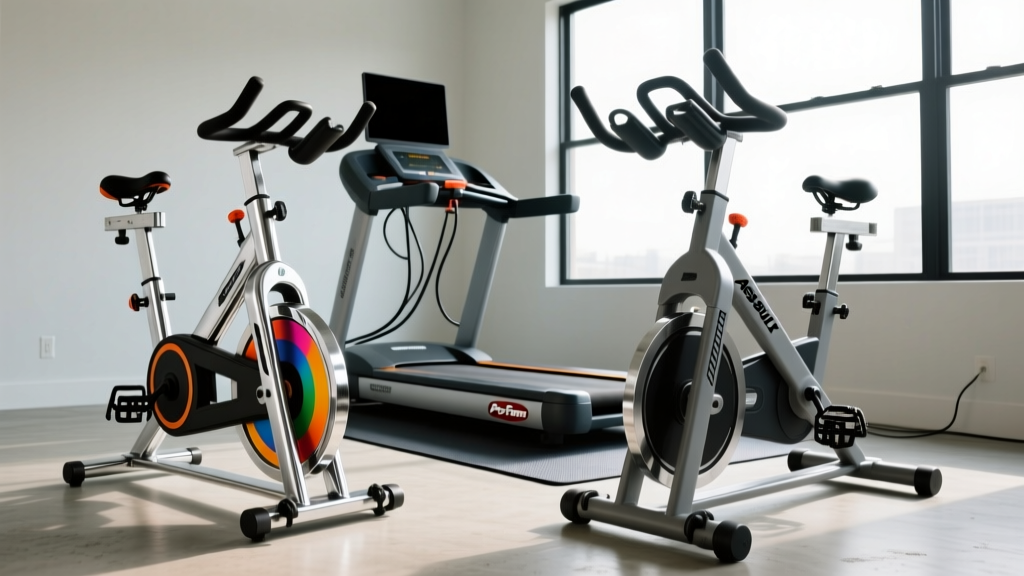
Air Bike vs Assault Bike Care & ProForm Treadmill Console Not Working
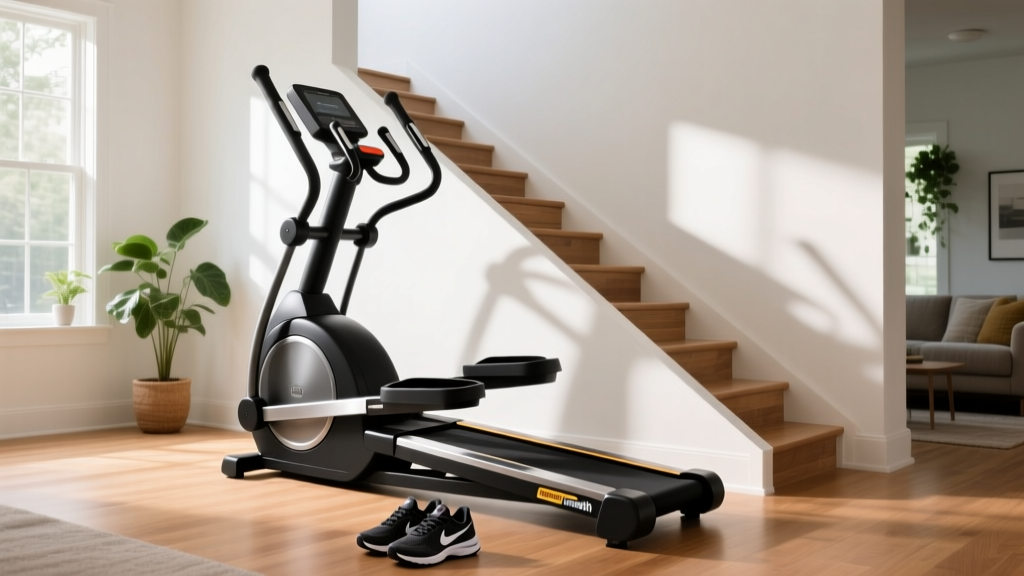
Skip the Viral Treadmill Walking Workout: Home Stair Climber Guide