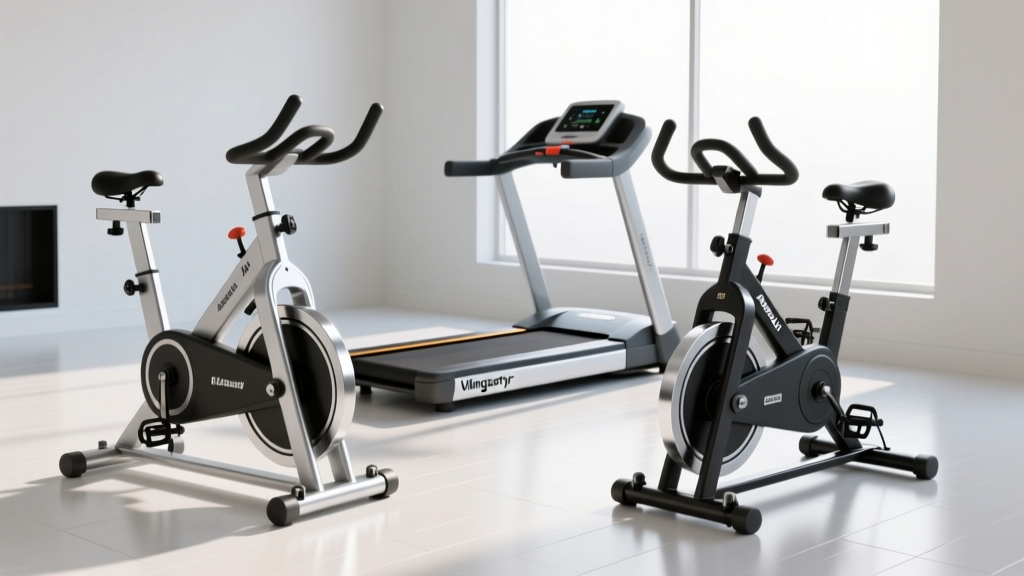
SF-T1407M Manual Walking Treadmill Review vs Top Walking Pads
Read our beginner-friendly SF-T1407M manual walking treadmill review. Compare it to top motorized walking pads and learn step-by-step setup.

The SF-T1407M Manual Walking Treadmill: A 2026 Deep Dive
When outfitting a home gym on a budget, beginners often face a critical crossroads: invest in a motorized walking pad or opt for a manual treadmill. The Sunny Health & Fitness SF-T1407M Foldable Manual Walking Treadmill remains one of the most searched entry-level cardio machines in 2026. Priced consistently around $119.99, it promises an accessible entry point into daily walking routines without the ongoing electricity costs or heavy footprint of motorized alternatives.
But how does a manual, user-powered belt compare to the sleek, under-desk motorized walking pads dominating the market? In this step-by-step guide, we break down the exact specifications, real-world failure modes, and a direct comparison to help you make an informed decision.
Beginner Callout: Manual treadmills require you to generate the belt's momentum. This engages the posterior chain (glutes and hamstrings) significantly more than a motorized belt, but it also means the learning curve for maintaining a steady pace is steeper.Core Specifications and Real-World Pricing
- Model: SF-T1407M
- Retail Price (2026): $115.00 - $129.99
- Belt Dimensions: 42" L x 13" W (Strictly for walking; running is unsafe)
- Weight Capacity: 220 lbs
- Machine Weight: 47 lbs
- Incline: Manual adjustment (Fixed at 9 degrees for optimal manual propulsion)
Pros and Cons Breakdown
Pros:- Zero electricity consumption
- Highly compact foldable footprint
- Engages lower body muscles more actively
- Budget-friendly under $130
- 13-inch belt width is narrow for users over 5'10"
- Cannot be used flat under a standing desk
- Requires physical effort to start the belt
- Digital console is basic (no Bluetooth/app sync)
Manual Treadmills vs. Motorized Walking Pads: Which is Right for You?
To understand where the SF-T1407M fits into your routine, we must compare it against the two most popular motorized walking pads on the market: the budget-friendly UREVO Strol 2E and the premium WalkingPad R2. According to the American Heart Association, adults need at least 150 minutes of moderate-intensity aerobic activity per week. The machine you choose must seamlessly facilitate this habit.
| Feature | Sunny SF-T1407M | UREVO Strol 2E | WalkingPad R2 |
|---|---|---|---|
| Type | Manual Treadmill | Motorized Walking Pad | Motorized Folding Pad |
| 2026 Price | ~$119 | ~$249 | ~$599 |
| Max Speed | User-Dependent | 7.6 MPH | 7.5 MPH |
| Belt Width | 13.0 inches | 16.5 inches | 17.3 inches |
| Under-Desk Use? | No (Handrails block) | Yes (Fold handle down) | Yes (Fully flat) |
| Best For | Small spaces, budget buyers | Standing desk workers | Tech enthusiasts, heavy users |
The Verdict: If you work from home and want to walk while typing, the SF-T1407M is the wrong choice; its upright handrails and 9-degree incline make under-desk integration impossible. However, if you want a dedicated, low-cost cardio station in a small apartment and prefer the natural biomechanical resistance of pushing your own weight, the SF-T1407M is vastly superior to cheap, low-torque motorized pads that overheat under continuous use.
Step-by-Step Assembly and Calibration Guide
Many negative reviews of manual treadmills stem from improper assembly, specifically regarding belt tension. Follow this exact sequence to avoid the most common beginner pitfalls.
Step 1: Base and Handrail Alignment
- Position the Deck: Lay the treadmill on a foam mat to protect your flooring and dampen acoustic vibration. The 47 lb frame can scratch hardwood during the lever-arming process.
- Attach Uprights: Insert the left and right upright posts into the base brackets. Critical Tip: Hand-thread all four M8x15mm bolts before using the included Allen wrench. If you tighten one side completely before threading the other, you will misalign the console wiring harness.
- Connect the Wiring Pin: Locate the small white plastic pin connector inside the right upright post. Align the arrows on the connector before pushing them together. A bent pin here is the #1 cause of dead digital consoles out of the box.
Step 2: Belt Tensioning (Crucial Failure Point)
Unlike motorized treadmills where the motor forces the belt to turn, a manual belt relies entirely on friction and tension. If it is too loose, your foot will slip. If it is too tight, the internal bearings will grind and fail within weeks.
- The Lift Test: Reach into the center of the walking belt and lift it. You should be able to lift it exactly 1.5 to 2 inches off the deck.
- Adjusting: Locate the two hex bolts at the very back of the treadmill (on the left and right rear roller caps).
- Centering: If the belt drifts to the left during use, turn the left rear bolt clockwise by exactly 1/4 turn. Walk for one minute and re-evaluate. Never turn the bolts more than 1/2 turn at a time.
"Walking is a highly effective, low-impact exercise that improves cardiovascular health and joint mobility without the severe ground-reaction forces associated with running." — Mayo Clinic
Your First 30 Days: A Beginner’s Progression Plan
Because the SF-T1407M requires you to push the belt, your calves and Achilles tendons will experience delayed onset muscle soreness (DOMS) during the first week. Do not attempt 10,000 steps on day one.
Week 1-2: Adaptation Phase- Duration: 15 minutes daily.
- Pacing: Focus on a heel-to-toe rolling motion. Flat-footed walking on a manual belt causes excessive friction and deck wear.
- Posture: Keep your chest up. Leaning too far forward on the handrails reduces the weight on your legs, making the belt harder to move.
- Duration: 30 minutes daily (meeting the AHA weekly minimum in just 5 days).
- Intervals: Alternate between 3 minutes of brisk pushing and 1 minute of slow, active recovery stepping.
- Lubrication Interval: Apply 100% silicone treadmill lubricant under the belt every 30 to 40 hours of use. Never use WD-40 or petroleum-based oils, as these will dissolve the PVC belt backing and ruin the MDF deck.
- Edge Case - Squeaking Handrails: The folding mechanism on the SF-T1407M relies on a spring-loaded pin. If it begins to squeak after 6 months, apply a single drop of white lithium grease to the pivot hinge. Do not use liquid oil, which will drip onto the walking belt and cause slipping.
- Edge Case - Console Drift: The magnetic sensor on the front roller can occasionally lose calibration, resulting in inaccurate speed/distance readings. If your console shows 0.0 MPH while walking, unplug the machine, remove the plastic shroud over the front roller, and ensure the magnet on the pulley is passing within 3mm of the sensor.
Long-Term Maintenance and Edge Cases
To ensure your SF-T1407M lasts beyond the 1-year warranty period, you must adhere to a strict lubrication schedule. Manual treadmills generate more localized heat due to the user's foot strike pattern.
Frequently Asked Questions
Can I run on the SF-T1407M?
No. The 42-inch belt length and 13-inch width do not provide adequate clearance for a running stride. Attempting to run will result in clipping the front motor shroud or stepping off the side rails. It is strictly a walking machine.
Is the 9-degree incline too steep for beginners?
While 9 degrees sounds steep, it is mechanically necessary for manual treadmills. Gravity assists your foot in pushing the belt backward. If the deck were perfectly flat, the friction would be too high for most beginners to initiate movement smoothly.
How loud is it compared to a walking pad?
Manual treadmills are significantly quieter regarding motor noise (since there is no motor), but you will hear rhythmic mechanical clicking from the internal flywheel and belt slapping. It is generally quiet enough for watching TV, but might be distracting on a hot microphone during a work call.
More gear to consider
All reviews
NordicTrack A2105 Treadmill vs Walking Pads: 2026 Guide
The Patricia Tarka Treadmill Effect: 2026 Under-Desk Office Trends

Elliptical vs Treadmill Cardio: Testing the Weslo G 4.0 Treadmill

How Much Walking on a Treadmill to Lose Weight: Under-Desk Review

Rowing Machine Setup: Avoid Aligning Treadmill Belt Hassles