Rowing Guide: What Is The Purpose Of A Curved Treadmill Vs A Rower?
Master rowing machine technique, avoid common mistakes, and compare top 2026 rowers to curved treadmills to find your ideal home cardio setup.

The Cardio Crossroads: Answering the Treadmill Question
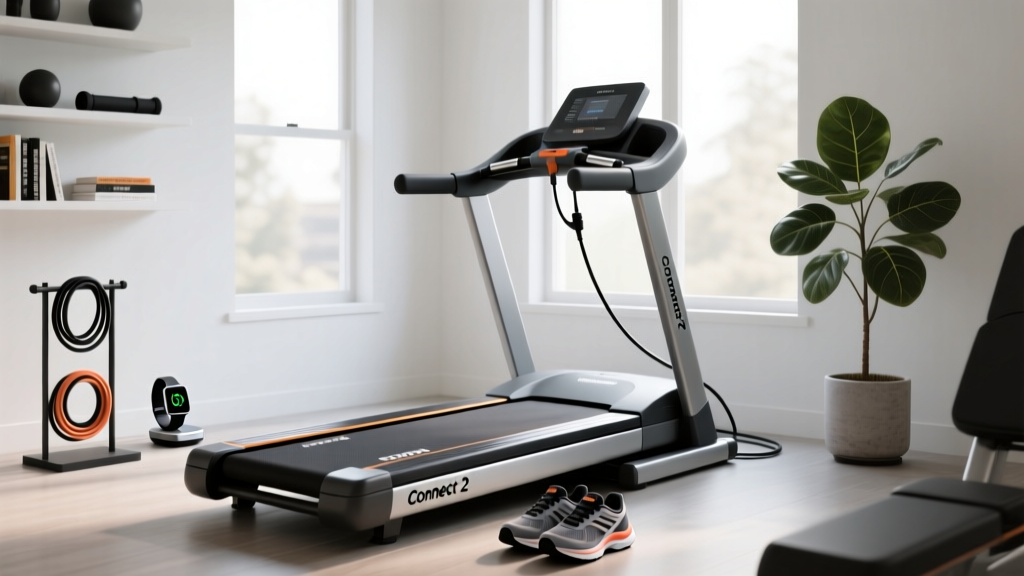
When outfitting a home gym in 2026, buyers frequently ask: what is the purpose of a curved treadmill compared to a rowing machine? The primary purpose of a curved treadmill (such as the AssaultRunner Pro or Technogym Skillmill) is to facilitate self-powered, high-incline sprint mechanics and posterior chain activation without the joint impact of motorized belts. Its concave slat-bed design forces the user to drive through the forefoot, mimicking outdoor sprint biomechanics and maximizing caloric output in short, anaerobic intervals.
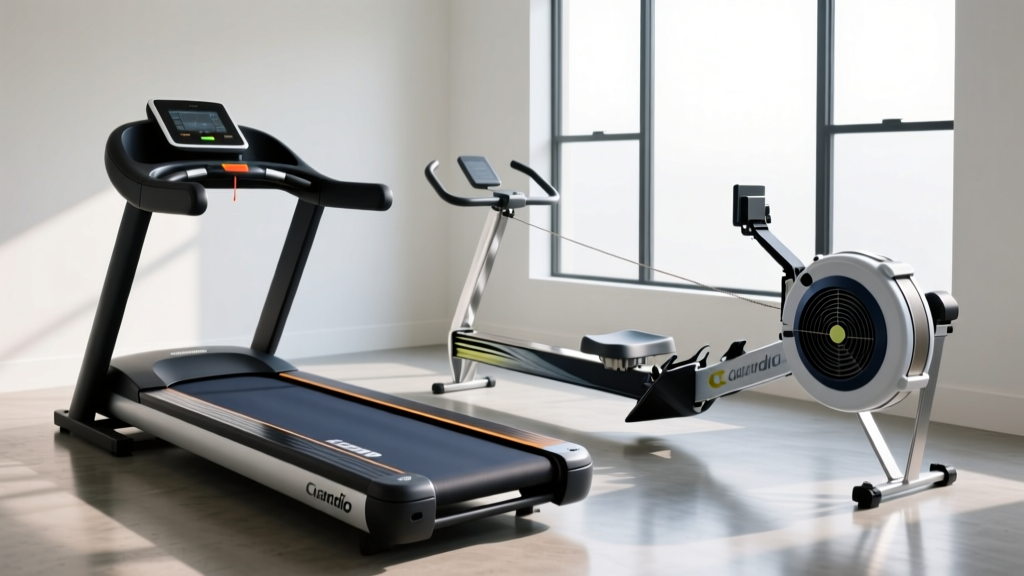
However, if your goal is comprehensive, full-body cardiovascular endurance combined with low-impact joint mobility, the rowing machine remains the undisputed king of the garage gym. While a curved treadmill isolates the lower body and core, a rower engages 86% of the body's musculature per stroke. This guide bridges the gap between understanding curved treadmill utility and mastering the rowing machine, diving deep into 2026 buying criteria, technique troubleshooting, and hardware maintenance.
Curved Treadmill vs. Rowing Machine: 2026 Comparison Matrix
| Feature | Curved Treadmill (e.g., Rogue Echo Runner) | Rowing Machine (e.g., Concept2 RowErg) |
|---|---|---|
| Primary Muscle Focus | Lower body (glutes, hamstrings, calves) | Full body (legs, core, lats, biceps) |
| Impact Level | Low (shock-absorbing rubber slats) | Zero (seated, fluid motion) |
| Average 2026 Price | $3,500 - $5,500 | $995 - $2,495 |
| Footprint (In Use) | ~75" L x 35" W (Fixed) | ~96" L x 24" W (Can be stored vertically) |
| Ideal Workout Style | HIIT, Sprint intervals, MetCon | Steady-state aerobic, Power intervals |
2026 Rowing Machine Buying Guide: Top Tier Models
If you have decided that the full-body engagement of a rower outweighs the sprint-specific cardiovascular benefits of a treadmill, selecting the right hardware is critical. Here is how the top 2026 models stack up:
1. Concept2 RowErg (Standard & Tall Legs)
Price: $995 (Standard) / $1,145 (Tall)
Resistance: Air
Best For: Purists, CrossFit athletes, and data nerds. The PM5 monitor remains the gold standard for accuracy, offering Bluetooth connectivity to third-party apps. The air resistance scales infinitely with your effort, making it impossible to 'outgrow' the machine.
2. Hydrow Apollo Pro
Price: $2,295
Resistance: Electromagnetic
Best For: Tech-forward users wanting immersive coaching. The 32-inch touchscreen and electromagnetic drag provide a whisper-quiet stroke, ideal for apartments where the 'whoosh' of an air flywheel might disturb neighbors.
3. Rogue Echo Rower
Price: $1,250
Resistance: Air/Magnetic Hybrid
Best For: Garage gym owners who want the rugged build of a Concept2 but prefer the adjustable, quiet magnetic damping for early-morning workouts.
Critical Rowing Technique Mistakes & Troubleshooting
Buying the machine is only 10% of the battle. The learning curve for rowing is steep, and poor form not only tanks your efficiency but invites lower back injuries. According to Concept2's official technique guidelines, the stroke should be a seamless sequence of legs, core, and arms. Here are the most common mistakes and how to troubleshoot them.
Mistake 1: The 'Arm-Pull' Fallacy
The Error: Beginners often treat the rower like a seated cable row, initiating the stroke by bending their arms. This exhausts the biceps within minutes and robs the stroke of 60% of its power.
The Fix: Adopt the 60/20/20 rule. The 'Drive' phase must be 60% leg push, 20% core hinge, and 20% arm pull. Your arms should remain completely straight until the handle passes your knees.
Mistake 2: Early Knee Bend (Shin Bang)
The Error: During the 'Recovery' phase, users bend their knees before the handle has cleared them, forcing the arms to awkwardly loop over the knees.
The Fix: Sequence the recovery as: Arms away, body hinge forward, then slide the seat. Your shins should reach a vertical position (no further) at the 'Catch'. Over-compressing past vertical shins causes 'checking' the boat and strains the patellar tendon.
Mistake 3: Misunderstanding the Damper Setting
Troubleshooting the Drag Factor
A pervasive myth is that a damper setting of 10 is best for workouts. In reality, a setting of 10 mimics rowing a heavy, sluggish rowboat, while a 3-5 setting mimics a sleek racing shell. Concept2's guide on drag factor explains that you should use the PM5 monitor's 'Display Drag Factor' menu. For most aerobic workouts, a drag factor between 110 and 130 is optimal. If your drag factor is unusually low at a setting of 5, your flywheel cage is likely clogged with dust—vacuum it out immediately.
Hardware Troubleshooting: Fixing Common Rower Glitches
Even the most robust cardio machines require maintenance. If your rower feels 'off', run through this troubleshooting checklist before calling support.
- Seat Stuttering on the Monorail: Never use oil or WD-40 on the track. Oil attracts dust, creating a gritty paste that ruins the rollers. Clean the aluminum track with isopropyl alcohol or a non-ammonia glass cleaner and a paper towel after every 10 hours of use.
- Sluggish Chain Retraction: If the handle doesn't snap back quickly, the internal bungee cord has lost tension or snapped. On a Concept2, this requires removing the flywheel cover (using a 10mm wrench), unhooking the old bungee, and threading a replacement cord, tying it off with a secure double overhand knot.
- Chain Noise / Grinding: A dry chain will sound like a coffee grinder. Apply 1-2 teaspoons of purified mineral oil or 20W-50 motor oil to a paper towel and pull the chain through it every 50 hours of use. Wipe off the excess to prevent dripping onto the monorail.
- PM5 Monitor Battery Drain: If your PM5 eats D-cell batteries, ensure you are unplugging the machine when not in use, or upgrade to a compatible lithium-ion battery pack to save on long-term costs.
Expert Verdict: Which Machine Belongs in Your Garage?
Understanding what is the purpose of a curved treadmill helps clarify your cardio goals. If you are a field-sport athlete needing to replicate the exact biomechanics of a 40-yard dash, or a CrossFit competitor preparing for sprint-chip WODs, the curved treadmill is a specialized, high-value tool. However, for 90% of home gym owners seeking joint-friendly, high-calorie-burning, full-body conditioning, the rowing machine offers a vastly superior return on investment. By selecting a proven model like the Concept2 RowErg and rigorously applying the 60/20/20 technique rule, you secure a lifetime of elite cardiovascular health in just 8 square feet of floor space.
More gear to consider
All reviews
LifeSmart TM2202 3 in 1 Treadmill vs Elliptical: Value Analysis

Cardio Noise Comparison & ProForm Treadmill Maintenance Manual

Treadmill Fartlek Training: Belt Maintenance for Compact Home Gyms

NordicTrack EXP 14i Treadmill Setup & Noise Level Comparison
Under Desk Treadmill Review: Beating a Stair Climber or Treadmill