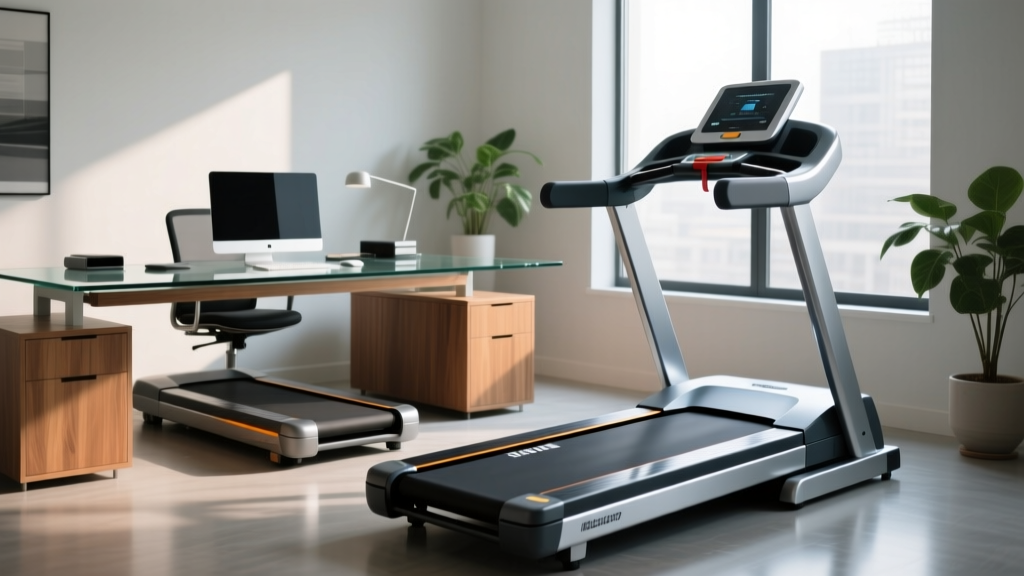
Is an Incline Treadmill Better Than a Home Stair Climber?
Discover if an incline treadmill is better than a stair climber. Our beginner guide covers home setup, 2026 top models, and step-by-step workouts.

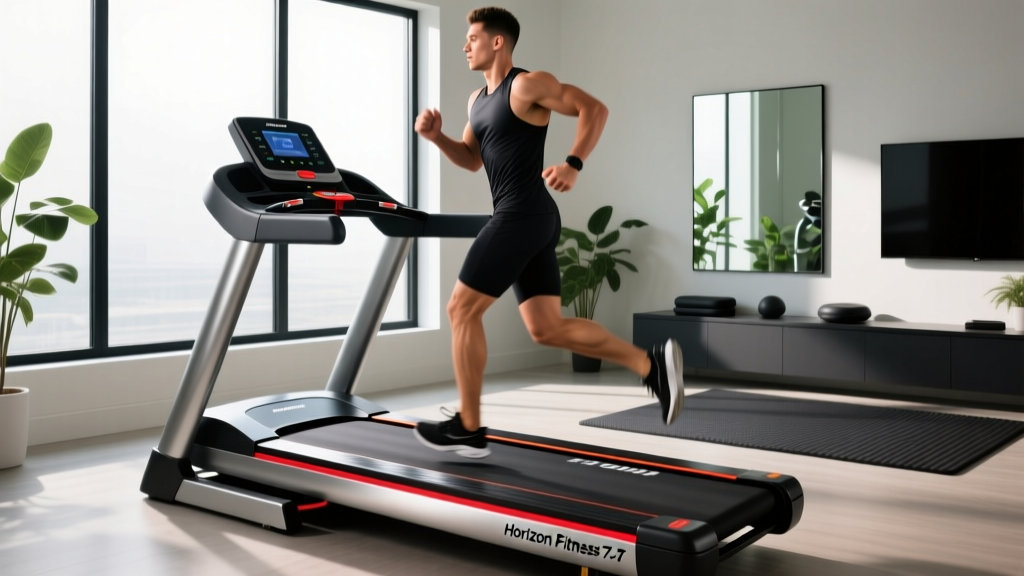
The Core Debate: Is an Incline Treadmill Better?
When outfitting a home gym for cardiovascular health, beginners frequently ask: is an incline treadmill better than a stair climber? The truth is, neither machine is universally superior; they serve distinct biomechanical purposes. An incline treadmill excels at posterior chain engagement (calves, hamstrings, and glutes) while mimicking natural walking or hiking mechanics. Conversely, a stair climber forces continuous concentric quad and glute activation, delivering a higher heart rate spike in less time.
According to the American Council on Exercise (ACE), stair climbing recruits stabilizing muscles in the hips and core that remain relatively dormant during standard treadmill walking. However, if your primary goal is marathon preparation or low-impact joint mobilization, the incline treadmill wins. For pure calorie density, lower-body muscular endurance, and vertical power, the stair climber is unmatched.
Head-to-Head Comparison Matrix
| Metric | Incline Treadmill (15% Grade) | Home Stair Climber (Stepmill) |
|---|---|---|
| Primary Muscle Focus | Calves, Hamstrings, Glutes | Quadriceps, Glutes, Hip Flexors |
| Joint Impact | Low to Moderate (depending on speed) | Moderate (continuous knee flexion) |
| Calorie Burn (30 mins, 150lb user) | ~300 - 350 kcal | ~350 - 420 kcal |
| Space & Ceiling Requirements | Standard 8-foot ceilings suffice | Requires 8'6" to 9-foot ceilings |
| Average 2026 Home Price | $1,200 - $2,500 | $800 (Pedal) - $3,900 (Stepmill) |
Step-by-Step Guide to Choosing a Home Stair Climber
If you have decided that the stair climber's intense lower-body conditioning aligns with your fitness goals, follow this step-by-step framework to select the right machine for your home.
Step 1: Audit Your Vertical Clearance
The most common beginner mistake is purchasing a revolving stairmill without measuring ceiling height. Unlike treadmills, stairmills elevate your entire body by 10 to 14 inches off the floor.
⚠️ Critical Space Warning: To calculate your required ceiling height, take your exact height, add 14 inches (for the machine's peak step height), and add 6 inches for arm-swing clearance. If you are 6'0", you need a minimum ceiling height of 8'2". If you have standard 8-foot ceilings, you must opt for a pedal-based climber instead.Step 2: Choose Your Drive Mechanism
- Revolving Stairs (Stepmills): These feature actual stairs that rotate like a mini escalator. They offer the most authentic climbing experience and force proper posture. Best for: Dedicated gym rooms with high ceilings.
- Pedal Climbers: These use two independent foot pedals on hydraulic or magnetic resistance arms. They take up minimal floor space and work well in low-ceiling apartments. Best for: Small spaces and budget-conscious buyers.
- Hybrid Climber-Ellipticals: Machines like the Bowflex Max Trainer series combine the vertical climb of a stairmaster with the low-impact glide of an elliptical. Best for: Users with knee sensitivities who still want high-intensity intervals.
Step 3: Evaluate Resistance and Console Metrics
For 2026 home models, look for machines offering at least 20 levels of magnetic or electromagnetic resistance. Avoid outdated hydraulic-cylinder pedal climbers, as they tend to overheat during sessions longer than 20 minutes and offer inconsistent resistance curves. Ensure the console tracks watts and steps per minute (SPM), which are far more accurate metrics for progressive overload than generic 'calories burned' estimates.
Top 3 Home Stair Climbers for 2026
Based on current market pricing, durability testing, and home gym footprint, here are the top three machines categorized by user needs.
1. The Premium Choice: StairMaster Gauntlet ($3,899)
The gold standard for revolving stairs. The Gauntlet features an 8-inch step height, a heavy-duty steel frame, and a 10-inch touchscreen. It requires a dedicated 20-amp electrical circuit. While expensive, its commercial-grade drive chain requires virtually zero maintenance for the first five years of home use.
2. The Space-Saving Hybrid: Bowflex Max Trainer M9 ($2,299)
If ceiling height is an issue, the M9 is the ultimate workaround. It uses a pedal-and-arm system that mimics climbing while keeping your head at a normal elevation. It includes a built-in JRNY subscription adapter and takes up only 3 square feet of floor space.
3. The Budget Pedal Option: Sunny Health & Fitness SF-E3911 ($159)
For beginners testing the waters, this magnetic pedal climber offers a surprisingly smooth stride. It lacks the digital integration of premium brands, but its 8-level magnetic resistance and compact footprint make it an excellent entry-level tool for light cardio.
Step-by-Step Beginner Workout Protocol
Jumping onto a stair climber and mashing the 'Quick Start' button is a recipe for lumbar fatigue and shin splints. The Centers for Disease Control and Prevention (CDC) recommends building up to 150 minutes of moderate-intensity aerobic activity weekly. Here is a beginner-friendly 20-minute protocol designed to build endurance without burning out your central nervous system.
- Minutes 0-5 (Warm-Up): Set resistance to Level 3. Focus on placing your entire foot flat on the step/pedal. Do not push off your toes. Keep your chest upright.
- Minutes 5-15 (Intervals): Alternate between 1 minute of moderate climbing (Level 6, ~60 SPM) and 1 minute of active recovery (Level 2, ~40 SPM).
- Minutes 15-18 (The Burnout): Increase resistance to Level 8. Focus entirely on driving through your heels to maximize glute activation.
- Minutes 18-20 (Cool Down): Drop to Level 1. Breathe deeply and allow your heart rate to descend below 100 BPM before stepping off.
Expert Form Tip: Never use the 'Handrail Crutch.' Leaning your body weight onto the side rails or console reduces your actual calorie expenditure by up to 20% and forces your lower back into an unnatural kyphotic curve. If you must hold on for balance, use a light, two-finger grip on the side rails and keep your torso completely vertical.
Common Beginner Mistakes and Machine Maintenance
Even the best equipment will fail if improperly maintained or used with poor biomechanics. Avoid these common pitfalls to protect your joints and your investment.
Biomechanical Mistakes
- Half-Stepping: Pressing only the ball of your foot onto the stair causes excessive calf strain and Achilles tendonitis. Always press the step down with a flat foot, driving through the heel.
- Locking the Knees: At the top of the pedal stroke or step, keep a micro-bend in your knee. Locking out transfers the load from your muscles directly to your knee joints, which the Mayo Clinic warns can accelerate cartilage wear over time.
Equipment Maintenance Checklist
Stair climbers are highly susceptible to sweat corrosion due to the vertical nature of the exercise. Implement this monthly maintenance routine:
- Wipe Down the Drive Housing: Sweat drips directly down your body into the pedal arms or stair gap. Use a damp microfiber cloth with a mild, non-abrasive cleaner to wipe the crevices after every third session.
- Inspect the Pedal Straps: On pedal climbers, the nylon straps degrade from friction. Check for fraying every 90 days and replace them immediately if the core threads are visible.
- Lubricate the Chain (Stepmills Only): If you own a revolving stairmill, listen for a 'grinding' noise beneath the casing. This indicates the internal drive chain needs a light application of white lithium grease, typically required once every 12 to 18 months for home users.
Final Verdict: Which Should You Buy?
So, is an incline treadmill better? If you are training for outdoor endurance events, prefer walking while watching TV, or have severe knee flexion limitations, the incline treadmill is the better choice. However, if your goal is rapid cardiovascular conditioning, intense glute and quad sculpting, and maximizing calorie burn in under 30 minutes, a home stair climber is the undisputed champion. Assess your ceiling height, set a realistic budget, and commit to proper form to transform your home cardio routine in 2026.
More gear to consider
All reviews
Stair Climber Errors: What Is a Good Treadmill Brand Alternative?

ProForm XP 580s Treadmill vs Elliptical: Maintenance
Fastest Treadmill Speed for Office Use: 2026 Under Desk Trend Report
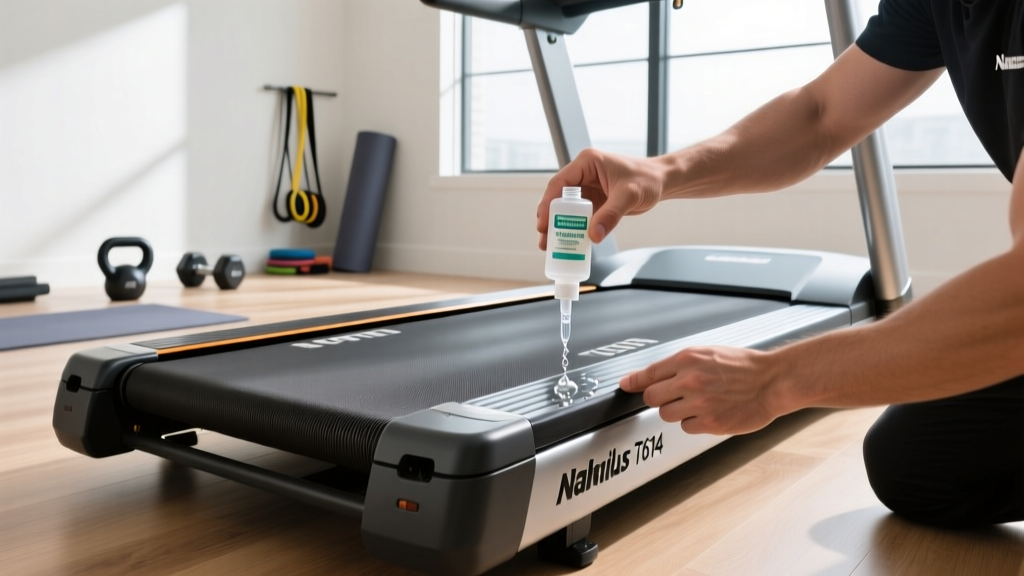
Nautilus T614 Treadmill Belt Maintenance: Expert Lubrication Guide
Curved vs Motorized: Horizon Fitness 7.4 AT Treadmill Reviews