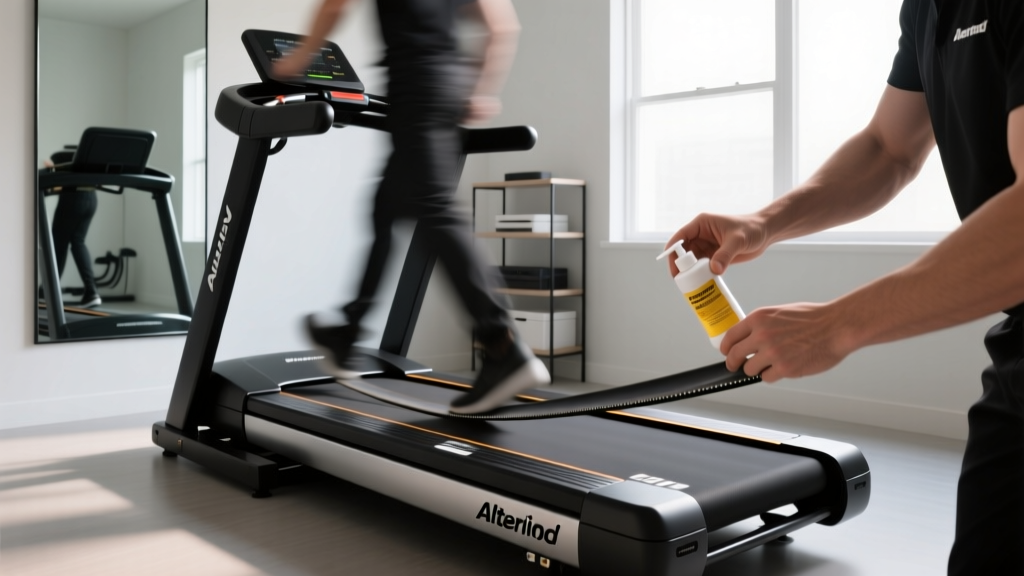
Feier Treadmill Star 100 Belt Lubrication: Budget & Value Guide
Analyze the true cost of Feier Treadmill Star 100 belt maintenance. Compare DIY lubrication budgets, motor ROI, and replacement values to maximize lifespan.

The True Cost of Ignoring Your Feier Treadmill Star 100 Belt
The Feier Treadmill Star 100 has carved out a massive niche in the budget home gym market, typically retailing between $329 and $399 in 2026. It offers a compact folding footprint and a 2.25 Peak HP motor that handles walking and light jogging. However, budget treadmills operate on tighter mechanical tolerances and utilize smaller drive motors than premium commercial units. This makes the running belt the single most critical point of failure. When the belt dries out, friction spikes, amp draw increases, and the lower control board or drive motor inevitably burns out.
From a value analysis perspective, treating the Feier Treadmill Star 100 as a 'lube-it-and-forget-it' appliance is a false economy. According to the U.S. Consumer Product Safety Commission (CPSC), poorly maintained exercise machines are a leading cause of in-home friction burns and sudden mechanical failures that can cause user injury. This guide breaks down the exact budget required to maintain your Star 100, compares DIY versus professional servicing, and calculates the long-term ROI of a strict lubrication schedule.
Budget Breakdown: DIY Lubrication vs. Professional Service
When the Star 100's belt begins to stick or the motor housing feels unusually hot, you have two primary routes for remediation. Here is how the costs break down for a standard maintenance intervention.
| Service Type | Average Cost (2026) | Time Investment | Value Rating |
|---|---|---|---|
| DIY Silicone Lubrication | $14 - $22 | 25 Minutes | Excellent (Highest ROI) |
| Mobile Fitness Tech Visit | $135 - $185 | 1 Hour (Wait + Service) | Poor (Overkill for basic lube) |
| Mail-In / Depot Repair | $250+ (Shipping + Labor) | 2 - 4 Weeks | Terrible (Loss of use) |
As highlighted by industry repair data from Angi's home services network, the national average for a treadmill repair call-out fee alone is $100 to $150 before parts or specific labor are applied. For a machine that cost under $400, paying $180 for a technician to apply $15 worth of silicone oil destroys the value proposition of owning a budget treadmill. DIY maintenance is not just recommended; it is financially mandatory for the Star 100.
Material Costs: What You Actually Need
To execute a proper maintenance cycle, you need specific materials. Do not cut corners here, as the wrong chemical compound will destroy the PVC backing of the belt.
- 100% Silicone Treadmill Lubricant ($12 - $16): Must be pure polydimethylsiloxane. Avoid 'silicone blends' or aerosol sprays containing petroleum propellants.
- Microfiber Towels ($4 - $6): For wiping excess oil from the belt edges and deck.
- Hex Key Set ($0 - $10): The Star 100 typically ships with a basic 5mm/6mm Allen wrench. If lost, a standard metric set is required for the rear roller bolts.
Step-by-Step Value Maximization: Lubricating the Star 100
Proper application ensures the silicone reaches the high-friction center of the deck without over-saturating the edges, which can cause dangerous belt slip. Follow this exact procedure to maximize the value of your lubricant.
- Power Down and Unplug: Always sever the electrical connection to prevent accidental startup while your hands are near the rollers.
- Check Belt Tension: Slide your hand under the center of the belt. You should be able to lift it exactly 2 to 3 inches off the deck. If it lifts higher than 4 inches, it is too loose; if you cannot get your fingers underneath, it is too tight.
- Loosen the Rear Roller: Using your hex key, turn both rear adjustment bolts counter-clockwise by exactly two full rotations. Keep track of your turns to ensure even realignment later.
- Apply the Silicone: Squeeze the applicator tube deep under the belt, aiming for the dead center of the deck. Apply exactly 0.5 oz (15 ml) in a zig-zag pattern on the left side, then repeat on the right side. Total application should not exceed 1 oz.
- Retighten and Align: Turn the rear adjustment bolts clockwise by the exact same number of turns you loosened them (two full rotations).
- Distribute the Lube: Plug the machine in, stand on the side rails, and start the belt at 3.0 MPH. Let it run for 5 minutes. Then, walk on the belt at 2.0 MPH for 3 minutes to press the silicone evenly into the deck pores.
Long-Term ROI: Motor Strain and Control Board Survival
Why does a $15 bottle of silicone save you hundreds of dollars? The answer lies in electrical engineering and amp draw. The Feier Treadmill Star 100 utilizes a 2.25 Peak HP DC motor. When the belt is properly lubricated, the coefficient of friction between the belt and the phenolic deck is low, allowing the motor to operate at an efficient 6 to 8 amps under a 170 lb user load.
When the belt dries out, friction increases exponentially. The motor must work harder to maintain the set speed, causing the amp draw to spike to 12, 14, or even 16 amps. This excess current generates severe heat in the motor windings and the lower control board's MOSFETs (transistors).
The most common cause of death for budget treadmills is not mechanical snapping, but thermal failure of the lower control board due to chronic high-amp draw from a dry belt. Replacing a control board costs between $120 and $160, instantly erasing the budget value of the machine.
By spending $15 on silicone every 3 to 6 months (or every 130 miles of use), you keep the amp draw in the safe zone, effectively doubling or tripling the lifespan of the Star 100's electronic components.
When to Replace: Belt Wear Thresholds and Replacement Costs
Lubrication cannot fix physical degradation. Eventually, the abrasive texture of the belt will wear smooth, or the deck will develop deep grooves. Knowing when to transition from maintenance to replacement is crucial for your budget.
Signs It Is Time for a New Belt
- The 'Glaze' Test: Run your hand over the belt surface. If it feels slick, shiny, or polished rather than matte and slightly abrasive, the traction layer is gone. This is a major slip hazard.
- Visible Fraying: If the edges of the belt are shedding black rubber dust or fraying near the front motor hood, the structural integrity is compromised.
- Deck Grooving: If you remove the belt and feel deep, physical trenches in the wooden/phenolic deck with your fingernail, lubrication will not help. The deck must also be replaced, or it will shred a new belt in weeks.
Sourcing Replacement Parts
If your Feier Treadmill Star 100 requires a new belt, expect to pay between $45 and $75 for an aftermarket replacement. The standard belt size for this class of folding treadmill is typically 42 inches long by 16 inches wide. Always measure your current belt from seam to seam before ordering, as budget manufacturers occasionally shift deck suppliers between production runs, which can alter belt width by up to half an inch.
Final Verdict: Is the Upkeep Worth the Investment?
From a strict budget breakdown perspective, the Feier Treadmill Star 100 is an exceptional value, provided you respect its mechanical limitations. The initial capital outlay of ~$350 is highly competitive for a motorized home cardio machine. However, the hidden cost of ownership lies entirely in the user's willingness to perform bi-annual belt lubrication.
If you are willing to invest 25 minutes and $15 every six months to apply pure silicone, the Star 100 will reliably deliver thousands of miles of low-impact cardio, yielding an ROI that easily beats a $60/month gym membership. If you plan to neglect the deck and belt, the resulting motor burnout will turn your budget-friendly purchase into an expensive clothes rack within 18 months. Maintain the friction, protect the amp draw, and the Star 100 will protect your wallet.
More gear to consider
All reviews
Reebok GT40Z Treadmill vs Under Desk Treadmills for Office Use: Budget Breakdown

2026 Smart Cardio Market: Air Bikes & RUNN Smart Treadmill Sensor
Elliptical vs Treadmill Care: Calibrate Incline NordicTrack Treadmill
Folding Treadmill Review: Safe for Treadmill Sprints for Weight Loss?

How Gym Layout Impacts Average Treadmill Speed and Belt Care