
Curved vs Motorized: A Beginner's Guide to Treadmill Pics
Learn how to analyze treadmill pics to choose between curved manual and motorized models. A beginner's step-by-step visual buying guide.

Decoding Treadmill Pics: Your First Step to the Right Cardio Machine
When shopping for home fitness equipment online, treadmill pics are your only window into a machine's build quality, footprint, and ergonomics. However, marketing photography can be highly deceptive. Wide-angle lenses make massive machines look compact, and studio lighting hides the cheap plastics on budget models. For beginners stepping into the home gym market in 2026, the most critical visual comparison you will make is between the curved manual treadmill and the traditional flat motorized treadmill.
This step-by-step visual guide will teach you exactly what to look for when analyzing treadmill pics online, helping you decode the biomechanics, spatial requirements, and hidden costs behind the glossy marketing images.
💡 The Golden Rule of Online Shopping
Never judge a treadmill's size by the empty space around it in a photo. Always look for reference objects in the background of treadmill pics—like a standard 80-inch door frame or a 6-foot-tall person—to gauge the true scale of the deck and console height.
Step 1: Spotting the Deck Geometry and Belt Material
The most obvious difference you will spot when comparing treadmill pics is the shape of the running surface. But you need to look closer at the material to understand what you are actually buying.
The Curved Manual Deck
When you look at pictures of premium curved treadmills like the Woodway Curve or the AssaultRunner Elite, you will notice a pronounced upward arc at both the front and rear of the deck. More importantly, look closely at the belt. You will not see a continuous sheet of PVC. Instead, you will see individual horizontal slats. These are made of vulcanized rubber or thermoplastic elastomer, bolted to a heavy-duty chain drive. This slat design is what allows the belt to glide over the curved track with minimal friction, requiring zero electricity.
The Flat Motorized Deck
Conversely, treadmill pics of motorized models like the Sole F80 or NordicTrack T Series will show a perfectly flat, continuous black belt. This belt is typically made of multi-ply PVC or urethane, driven by a front-mounted electric motor (ranging from 2.5 HP to 4.0 Continuous Horsepower). The flat deck is supported by a wooden or composite board underneath, which requires regular silicone lubrication to prevent friction burns.
Step 2: Analyzing the Console and Ergonomics
The console area in treadmill pics tells you a massive amount about the user experience and the machine's intended purpose.
- Motorized Consoles: Photos will highlight massive 14-inch to 22-inch HD touchscreens, incline/decline buttons, and integrated fan grilles. The handrails will extend far forward, designed to hold you while the motor pulls your feet backward. If you see a motorized treadmill with a screen that pivots 360 degrees, it is designed for interactive off-treadmill workouts (like the NordicTrack X22i).
- Curved Consoles: When browsing treadmill pics of manual models, you will notice the console is often an afterthought—a small, battery-powered LCD screen mounted on a low, swept-back handlebar. The handlebars on a curved treadmill are positioned lower and closer to the body. This forces the runner into a slight forward lean, engaging the posterior chain (glutes and hamstrings) and promoting a midfoot strike.
Step 3: The Biomechanics Hidden in the Photos
What you cannot see in static treadmill pics is how the machine alters your natural gait. According to the Mayo Clinic's guidelines on aerobic exercise, joint impact and foot-strike patterns are critical for long-term cardiovascular health and injury prevention.
'On a motorized treadmill, the belt pulls your foot out from under you, which often encourages a heel-strike pattern. On a curved manual treadmill, you must push the belt away from you, naturally forcing a forefoot or midfoot strike that reduces impact forces on the knees and hips.'
Warning for Beginners: If you are transitioning from outdoor running to a curved treadmill, the photos will not warn you about the Achilles tendon strain. The forefoot strike required by the curved deck places significantly more load on the calves and Achilles. Beginners should start with 10-minute sessions on a curved manual treadmill to allow their lower legs to adapt to the new biomechanical demands.
Step 4: Evaluating Footprint and Spatial Clearances
One of the most common mistakes beginners make is misjudging the spatial requirements based on stylized treadmill pics. Here is how to properly evaluate the footprint:
| Feature | Curved Manual Treadmill | Flat Motorized Treadmill |
|---|---|---|
| Average Length | 65 - 72 inches | 75 - 85 inches |
| Front Clearance Needed | Minimal (No motor hood) | 12 - 18 inches (For motor ventilation) |
| Ceiling Height Required | User Height + 10 inches | User Height + 15 inches (Deck adds elevation) |
| Power Outlet | None required | Dedicated 120V / 20A circuit recommended |
Pro-Tip for Room Planning: Motorized treadmills elevate you 8 to 10 inches off the ground due to the motor housing and deck thickness. If you have standard 8-foot (96-inch) ceilings, a 6-foot-tall runner on a motorized treadmill will have their head just 14 inches from the ceiling, which can feel claustrophobic and dangerous during high-incline sprints. Curved treadmills sit much closer to the floor, making them vastly superior for basement or attic gyms with low clearance.
Step 5: Real-World Pricing and Maintenance Realities
Treadmill pics on e-commerce sites will never show you the maintenance manual or the long-term cost of ownership. As of 2026, the financial divide between these two categories is stark.
The Cost of Entry
- Curved Manual Treadmills: True commercial-grade curved models are expensive. The Woodway Curve retails for over $6,500, while the AssaultRunner Elite sits around $3,299. There are budget 'manual' treadmills for $300 online, but they are flat, high-friction magnetic resistance belts—not true curved slat treadmills. Avoid them entirely.
- Flat Motorized Treadmills: You can find a reliable entry-level motorized treadmill like the Sole F80 for around $1,199, or budget options from Horizon Fitness for under $800. The barrier to entry is significantly lower.
The Hidden Maintenance
Look closely at the belt edges in treadmill pics. On a motorized treadmill, you are committing to a lifetime of deck maintenance. You must lift the belt and apply 100% silicone lubricant every 130 to 150 miles. If you fail to do this, the friction will melt the belt backing and destroy the motor control board—a $400 repair.
Curved treadmills, however, require virtually zero belt maintenance. The slats are self-lubricating via the ball-bearing track system. Your only maintenance is occasionally tightening the drive chain tensioner, a task that takes less than two minutes with a standard Allen wrench.
Step 6: Matching the Machine to Your Fitness Goals
The American Heart Association recommends at least 150 minutes of moderate-intensity or 75 minutes of vigorous aerobic activity per week. How you achieve this dictates which machine you should buy.
The Beginner's Decision Matrix
Buy a Curved Manual Treadmill if:
- You want to perform High-Intensity Interval Training (HIIT) where instant speed changes are required (you can sprint to max speed in one stride on a curved deck).
- You suffer from chronic knee pain and need to enforce a midfoot strike to reduce patellofemoral joint loading.
- You are building an off-grid or eco-friendly home gym and want to eliminate the phantom power draw of a massive electric motor.
Buy a Flat Motorized Treadmill if:
- Your primary goal is steady-state Zone 2 cardio, long-distance marathon training, or walking while watching television.
- You need automated incline/decline features to simulate specific outdoor race topographies (e.g., the Boston Marathon course).
- You are on a strict budget under $1,500 and need a reliable, plug-and-play solution.
Final Thoughts: Look Beyond the Glossy Images
Ultimately, analyzing treadmill pics is about reading between the pixels. When you look at a curved manual treadmill, you are looking at a biomechanical tool designed for performance, high caloric expenditure (burning up to 30% more calories per mile due to the lack of motorized assistance), and joint preservation. When you look at a motorized treadmill, you are looking at a versatile, tech-heavy entertainment and endurance platform.
Before you click 'Add to Cart', pull up the manufacturer's specification PDF. Compare the exact running surface dimensions (aim for at least 20 inches wide by 55 inches long for walking, and 22 inches by 60 inches for running). Measure your room with a laser tape measure, account for the ceiling height, and choose the machine that fits both your space and your physiological needs.
More gear to consider
All reviews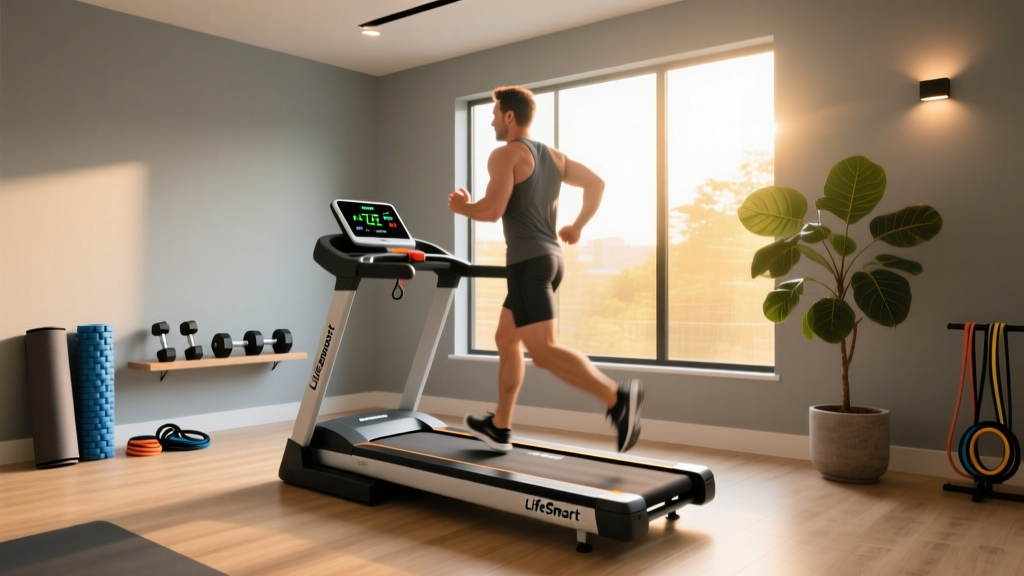
LifeSmart TM2202 3-in-1 Treadmill vs Dedicated Cardio: Buyer Guide
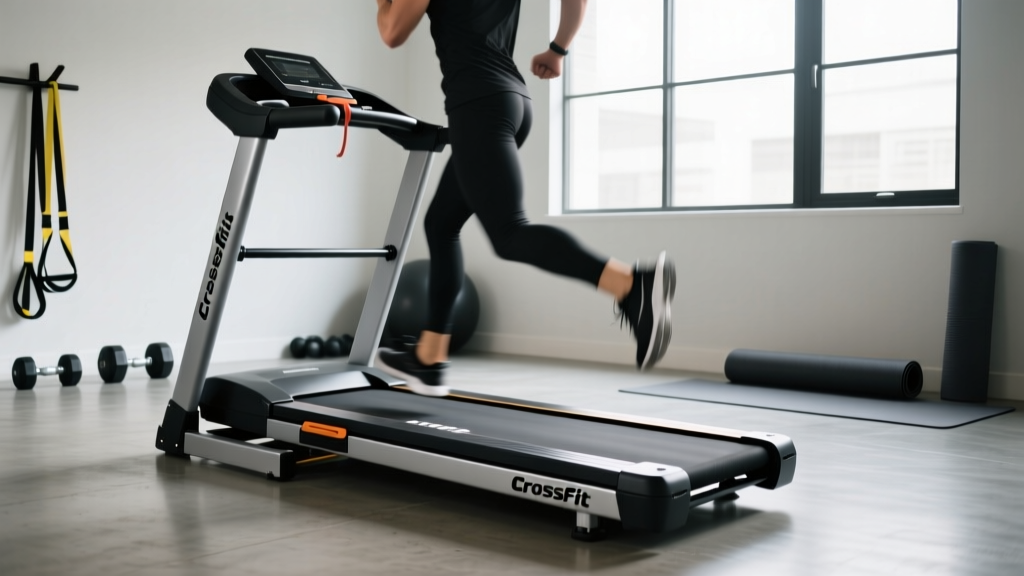
Best Folding CrossFit Treadmill for Small Spaces 2026
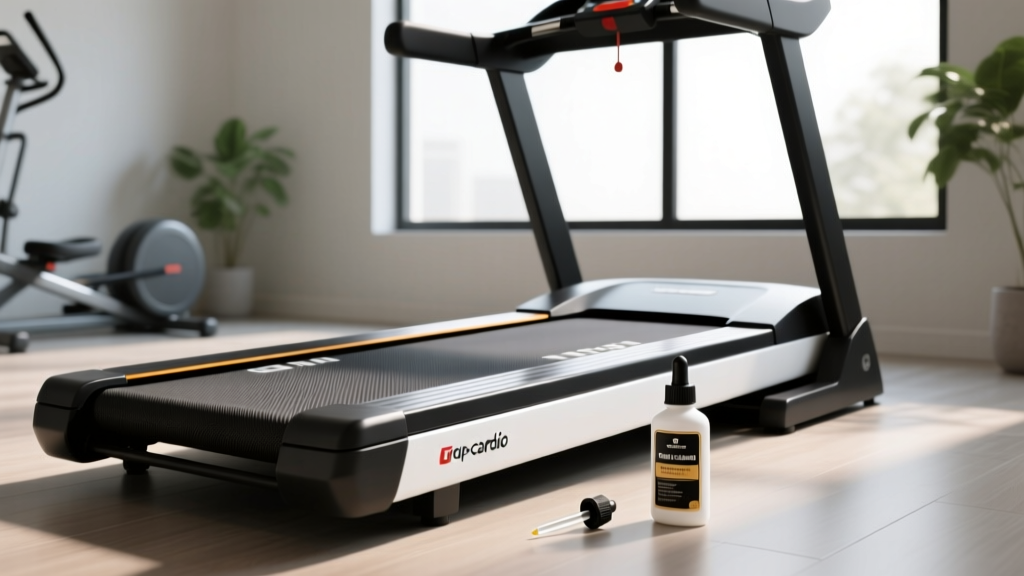
Treadmill FSA Eligible Expenses: Expert Belt Maintenance Guide

Treadmill or Elliptical for Weight Loss? A Noise Level Comparison

Under Desk Treadmill Review: NordicTrack C1250 Treadmill Care
