Compact Cardio Care: Tips for People Running on Treadmill Alternatives
Discover essential maintenance tips for compact portable cardio equipment. Learn how to extend the lifespan of walking pads, mini-steppers, and folding bikes.

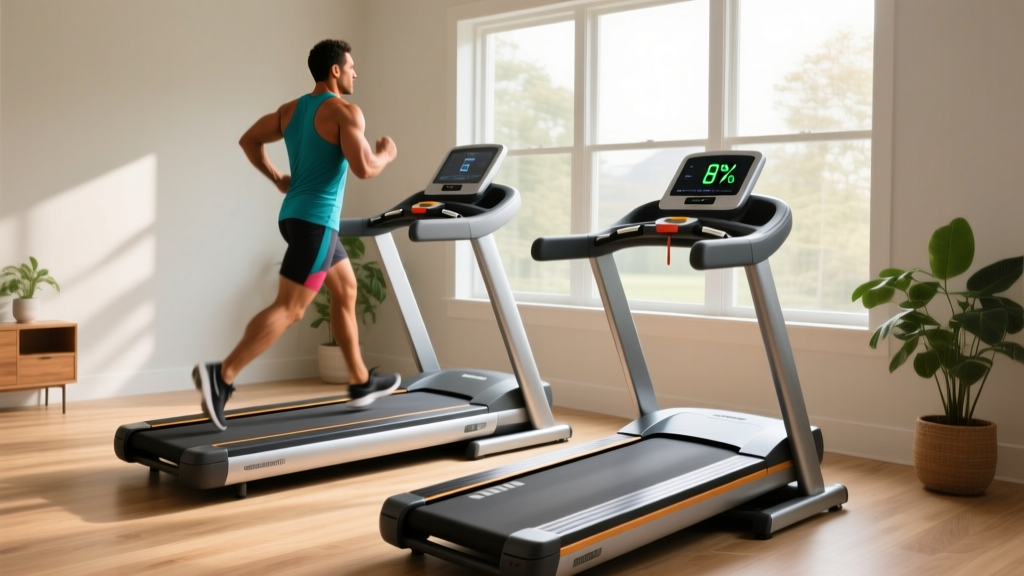
The fitness landscape in 2026 has shifted dramatically. Urban living spaces are shrinking, and the era of dedicating an entire spare bedroom to a commercial-grade cardio setup is fading. While people running on treadmill machines with traditional 20-inch by 55-inch running decks worry about heavy deck waxing and massive belt alignments, compact equipment owners face entirely different mechanical vulnerabilities. Walking pads, under-desk ellipticals, hydraulic mini-steppers, and folding upright bikes now dominate the home fitness market, offering incredible convenience for apartment dwellers.
However, downsizing your footprint introduces unique engineering challenges. Compact portable cardio equipment options sacrifice heavy-duty bearings, massive cooling fans, and rigid steel welds for foldability and lightweight frames. According to Consumer Reports, the leading cause of failure in portable cardio equipment is not motor burnout, but joint degradation, belt misalignment caused by improper storage, and neglected folding mechanisms. If you want your compact gear to survive past its one-year warranty, you must adopt a specialized maintenance protocol.
The Engineering Reality of Compact Cardio
Traditional treadmills and ellipticals are built like tanks. Their sheer weight keeps them grounded, and their large motors run at low relative capacities. Compact cardio machines, by contrast, operate at their absolute mechanical limits. A 1.25 HP motor in a walking pad is working significantly harder to propel a user than a 3.5 HP motor in a full-size treadmill. Furthermore, the introduction of hinges, quick-release pins, and telescoping arms creates multiple points of structural flex. This flex generates micro-vibrations that can loosen hardware and degrade internal wiring over time. Understanding these vulnerabilities is the first step toward longevity.
Walking Pads and Under-Desk Treadmills: Belt and Hinge Care
Walking pads like the WalkingPad R2 Pro ($599) and the UREVO Strol 2E ($399) are marvels of space-saving design, but their low-profile decks and folding mechanisms require meticulous care.
The 100% Silicone Lubrication Protocol
Traditional treadmills often use thick wax or heavy silicone pastes. Portable walking pads feature thinner, low-friction PVC belts over rigid MDF or honeycomb paper decks. You must use 100% pure liquid silicone oil. Never use aerosol sprays like WD-40 or generic lubricants, as they contain petroleum distillates that will chemically melt the PVC belt and dissolve the deck's factory coating.
- Frequency: Apply 8 to 10ml of liquid silicone every 40 hours of use, or once a month for daily walkers.
- Application: Loosen the rear roller bolts using a 5mm Allen key. Lift the belt edge and apply the oil directly to the center of the deck in a zigzag pattern.
- Distribution: Retighten the bolts exactly 1/4 turn clockwise. Run the machine at 2.0 mph for three minutes without standing on it to distribute the oil evenly.
Over-tightening a walking pad belt by just a fraction of an inch can draw up to 4x the normal amperage. This excess draw generates massive heat in the lower control board, frequently frying the MOSFET transistors and resulting in a $150+ replacement board. The belt should have exactly 1.5 inches of lift at the center of the deck when tensioned correctly.
Folding Hinge and Quick-Release Pin Maintenance
The UREVO Strol 2E and similar foldable models rely on a central quick-release hinge to fold the handrail. Dust, pet hair, and skin cells accumulate in the pin housing, causing the mechanism to jam or wobble. A wobbling handrail transfers kinetic energy down into the motor housing, accelerating wear on the drive belt. Clean the hinge housing monthly with compressed air and apply a PTFE (Teflon) dry lubricant. Dry lubes are critical here, as wet oils will attract dust and create a grinding paste.
Hydraulic Mini-Steppers: Preventing Cylinder Blowouts
Hydraulic steppers, such as the budget-friendly Sunny Health & Fitness SF-S0978 ($65) and the premium Xiser Commercial Mini Stairmaster ($349), are incredibly popular for compact cardio. However, their resistance is generated by hydraulic cylinders filled with specialized fluid, which introduces a unique failure mode: heat-induced seal blowouts.
When you step continuously, the friction inside the cylinder heats the hydraulic fluid. As the fluid heats up, its viscosity thins. If the fluid becomes too thin, it bypasses the internal piston seals, resulting in a 'sinking' pedal that offers zero resistance. Once a seal is blown, the cylinder will leak fluid onto your floor and must be entirely replaced.
- The 15-Minute Rule: Never use a standard hydraulic mini-stepper for more than 15 to 20 continuous minutes. Allow the cylinders to cool to room temperature between sets.
- Pivot Joint Care: The steel pivot arms connecting the pedals to the frame rely on nylon bushings. If these bushings dry out, they will squeak and eventually crack. Apply a drop of white lithium grease to the pivot bolts every six months.
- Baseplate Inspection: Because steppers take high-impact vertical loads, the thin metal baseplates can warp over time. Check the rubber suction feet monthly; if they are compressed flat, replace them to maintain shock absorption and prevent frame stress fractures.
Portable Cardio Maintenance Matrix
To keep your compact equipment running smoothly, reference this maintenance schedule. Proper care not only extends the life of the machine but ensures your biomechanics remain safe, aligning with the American Heart Association's guidelines for consistent, injury-free daily movement.
| Equipment Type | Primary Failure Point | Maintenance Interval | Est. Repair Cost if Neglected |
|---|---|---|---|
| Walking Pads | Lower Control Board (via belt tension) | Monthly (Lube & Tension Check) | $120 - $180 |
| Hydraulic Steppers | Cylinder Seals (Heat degradation) | Per Session (15-min limit) | $40 - $90 (Cylinder pair) |
| Folding Upright Bikes | Frame Hinge Bolts & Magnetic Caliper | Bi-Annually (Torque check) | $80 - $150 |
| Compact Ellipticals | Pedal Arm Bearings | Quarterly (Lithium grease) | $60 - $120 |
Folding Upright Bikes and Compact Ellipticals
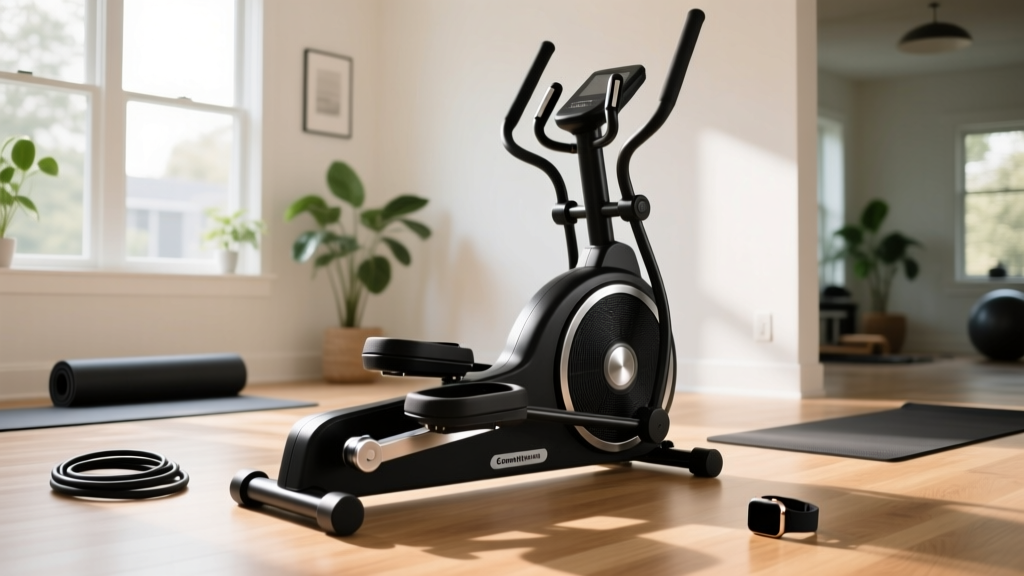
Folding bikes like the XTERRA Fitness FB150 ($179) and compact ellipticals like the LifeSpan E3i-SpaceSaver are excellent for low-impact cardio. Their primary maintenance vulnerability lies in the folding latch and the magnetic resistance caliper.
Pivot Point Lubrication and Tension Tracking
On folding upright bikes, the main frame hinge bears the entire dynamic load of the rider. Over time, the factory-applied threadlocker on the hinge bolts can degrade. Every six months, use a torque wrench to ensure the main hinge bolt is tightened to the manufacturer's specification (usually between 25-30 Nm). For compact ellipticals, the pedal arm bearings are often sealed but can develop play. If you hear a rhythmic 'clunking' sound during your stride, the bearing housings need to be tightened, and the track wheels must be wiped down with a damp microfiber cloth to remove dust buildup that causes flat-spotting on the polyurethane wheels.
Environmental Factors: The Hidden Killers of Portable Gear
The very nature of portable cardio equipment dictates that it will be moved, stored in closets, or slid under beds. This transient lifestyle exposes the machines to severe environmental stressors.
'The number one reason I see walking pads fail in apartment settings isn't the motor; it's the dust bunnies. When a machine is stored under a bed, the cooling fan acts like a vacuum, pulling lint directly into the motor housing and suffocating the copper windings.' — Certified Fitness Equipment Technician
To combat this, never store your walking pad or folding bike directly on a carpeted floor without a high-density EVA foam mat beneath it. If storing in a closet, use a breathable canvas cover rather than a plastic tarp, which can trap ambient humidity and cause the exposed steel quick-release pins to develop surface rust. Furthermore, according to Mayo Clinic fitness safety guidelines, ensuring your equipment is placed on a stable, level surface is vital not just for machine longevity, but for preventing user joint strain and falls.
Conclusion: Small Footprint, High Responsibility
Transitioning to compact portable cardio equipment options is a brilliant strategy for maintaining daily cardiovascular health in small spaces. However, the engineering compromises required to make these machines foldable and lightweight mean they demand a more proactive, detail-oriented maintenance approach than their full-sized counterparts. By strictly adhering to silicone lubrication schedules, respecting hydraulic heat limits, and protecting your gear from environmental dust, you can ensure your compact cardio machines deliver years of reliable, space-saving performance.
More gear to consider
All reviews
Air Bike vs Assault Bike: Ditching Landice L7 Treadmill Older Models

Treadmill Calorie Calculator Accuracy & 2026 Feature Comparison

Best Treadmills for an Interval Training Treadmill Workout 2026

Match Motor HP to Your Treadmill Paces Chart: A Beginner Guide

Staircase Treadmill Motor Guide: Sizing & Horsepower Explained