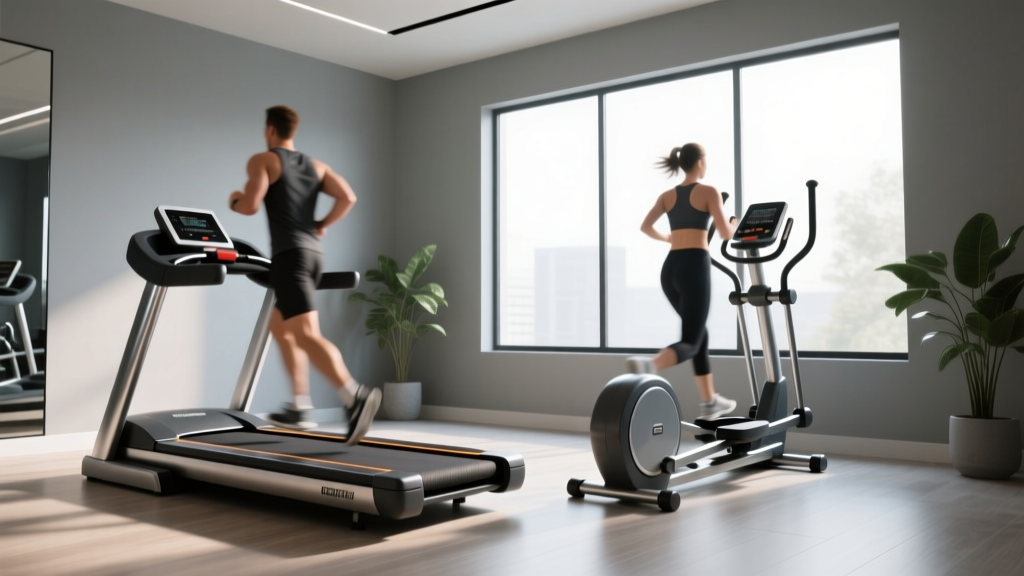
Cardio Machine Noise Level Comparison & Treadmill Removal Service
Compare cardio machine noise levels to find a quiet upgrade. Plus, learn costs and steps for hiring a professional treadmill removal service.

The Hidden Cost of Noisy Cardio Equipment
If your morning workout sounds like a freight train derailing in your living room, you are not alone. Noise pollution is the number one complaint among home gym owners, particularly those living in apartments, condos, or multi-story houses. While a loud machine might seem like a minor annoyance, sustained exposure to high decibel (dB) levels can cause genuine fatigue and strain neighborly relations. According to the Environmental Protection Agency (EPA), prolonged exposure to indoor noise above 70 dB can contribute to stress and sleep disruption for those in adjacent rooms.
As of 2026, fitness manufacturers have heavily invested in acoustic dampening and magnetic resistance technology to create whisper-quiet cardio equipment. But what if your current machine is beyond saving? This comprehensive guide provides a detailed cardio machine noise level comparison to help you find a silent upgrade, alongside a practical breakdown of how and when to hire a professional treadmill removal service to haul away your old, noisy beast.
Understanding Decibels (dB) in Home Gyms
Before comparing specific models, it is crucial to understand how fitness equipment generates noise. Cardio machine noise falls into two distinct categories:
- Airborne Noise: The sound of the motor, fan, belt, and internal mechanics traveling through the air. This is measured in standard decibels (dB).
- Impact (Structure-Borne) Noise: The physical vibration of your footstrikes transferring through the machine's frame, into the floor, and echoing through the building's joists. This is often perceived as a low-frequency "thumping" by downstairs neighbors.
2026 Cardio Machine Noise Level Comparison Matrix
The table below compares the average airborne noise levels of top-tier cardio machines available in 2026, tested under moderate-to-high user effort.
| Machine Type | Specific 2026 Model | Average Airborne Noise | Impact Noise Risk | Price Range |
|---|---|---|---|---|
| Treadmill (Motorized) | Sole F80 | 72 - 78 dB | Very High | $1,299 - $1,499 |
| Treadmill (Manual/Curved) | AssaultRunner Elite | 60 - 65 dB | High | $2,999 - $3,299 |
| Elliptical | NordicTrack SE7i | 52 - 58 dB | Low | $1,199 - $1,399 |
| Indoor Cycle (Magnetic) | Schwinn IC4 | 42 - 48 dB | Very Low | $799 - $899 |
| Rower (Air) | Concept2 RowErg | 65 - 72 dB | Low | $990 - $1,100 |
| Rower (Magnetic) | Hydrow Rowing Machine | 45 - 50 dB | Low | $2,495 - $2,695 |
| Stair Climber | Bowflex StairMaster 10G | 62 - 68 dB | Moderate | $3,199 - $3,499 |
Deep Dive: The Quietest Cardio Upgrades
If you are replacing a loud treadmill, you likely want a machine that allows you to watch TV or listen to podcasts without blasting the volume. Here are the best quiet alternatives for shared spaces.
1. Magnetic Indoor Cycles (The Silent Champions)
Magnetic resistance bikes are the undisputed kings of quiet cardio. Because the magnets never physically touch the flywheel, there is zero friction noise. The Schwinn IC4 operates at roughly 45 dB—equivalent to a quiet library or a gentle hum of a refrigerator. Even at maximum sprint resistance, the only sound you will hear is the faint whir of the belt drive and your own breathing.
2. Magnetic Rowers (The Full-Body Whisper)
While traditional air rowers like the Concept2 are fantastic for performance, they generate a distinct "whoosh" that peaks around 72 dB during a 2K sprint. For apartment dwellers, magnetic rowers like the Hydrow or the Echelon Row use electromagnetic braking, dropping the noise floor to an incredibly quiet 48 dB. You get the full-body cardiovascular benefits without waking the baby in the next room.
3. Ellipticals (The Impact-Free Compromise)
If you miss the standing posture of a treadmill but need to eliminate the heavy footstrike impact noise, an elliptical is your best bet. The NordicTrack SE7i utilizes a smooth rear-drive system that keeps airborne motor noise around 55 dB while completely eliminating the "thud-thud-thud" of treadmill running.
When Mitigation Fails: Hiring a Treadmill Removal Service
Sometimes, a machine is simply too old, its motor bearings are shot, or the deck is warped beyond repair. No amount of treadmill mats or silicone lubricant will fix a grinding 2015 budget motor. When it is time to evict the noisy beast from your home, hiring a professional treadmill removal service is often the safest and most efficient route.
"Attempting to carry a 250-pound motorized treadmill down a flight of stairs without professional equipment is a leading cause of home gym injuries and property damage. The cost of a removal service is a fraction of a drywall repair bill."
What Does a Treadmill Removal Service Cost?
As of 2026, the national average for professional fitness equipment removal ranges from $175 to $350. Pricing depends on several factors:
- Disassembly Requirements: If the treadmill cannot fit through your doorways upright, companies will charge an extra $50 to $100 for on-site teardown.
- Stairs and Elevators: Ground-floor, walk-out pickups are the cheapest. Third-floor walk-ups will incur premium labor fees.
- Service Providers: On-demand services like LoadUp typically offer upfront, flat-rate pricing starting around $189. Traditional franchises like 1-800-GOT-JUNK? charge by the truck volume, which can range from $250 to $400 for a single large item.
Eco-Friendly Disposal Routes
Treadmills contain heavy metals, copper wiring, and electronic boards that should not end up in standard landfills. Reputable removal services will route the machine to e-waste and scrap metal facilities. For DIYers looking to recycle their machine responsibly, databases like Earth911 provide localized directories for bulk metal recycling and e-waste drop-off centers in your specific zip code.
Step-by-Step: Prepping Your Treadmill for Pickup
To ensure your removal service goes smoothly (and to avoid unexpected surcharges), follow this preparation checklist before the crew arrives:
- Clear the Path: Remove all furniture, rugs, and obstacles from the treadmill to the front door or garage. Measure your doorways; if the treadmill is wider than 32 inches, it will need partial disassembly.
- Detach the Safety Key and Power Cord: Unplug the machine, remove the magnetic safety key, and tape the power cord securely to the base of the deck to prevent tripping hazards.
- Fold and Lock the Deck: If you own a folding model, engage the hydraulic lift and ensure the safety pin is fully locked into place.
- Remove Loose Accessories: Take off water bottle holders, tablet mounts, and heart rate monitor straps. Keep these if you plan to use them on your new, quieter machine.
- Protect Your Floors: Lay down a trail of cardboard or moving blankets from the machine to the exit to protect hardwood floors from scuff marks during the heavy drag.
Frequently Asked Questions (FAQ)
Can I just put my loud treadmill on a thick rug to stop the noise?
A standard carpet or rug will do very little to stop low-frequency impact noise. You need a specialized high-density acoustic mat (like the SuperMats High Density Equipment Mat) combined with rubber isolation pucks placed under the machine's feet to decouple the vibration from the floor joists.
Will a treadmill removal service take my broken elliptical too?
Yes. Most junk removal and specialized fitness equipment removal services will haul away any bulky cardio machine, including ellipticals, rowers, and stair climbers. Bundling multiple items usually results in a 15% to 20% discount on the total pickup fee.
Are curved manual treadmills quieter than motorized ones?
Curved treadmills eliminate motor noise entirely, dropping the airborne dB level significantly. However, the physical impact of your shoes striking the slat belt still generates substantial structure-borne noise. They are quieter for the user, but downstairs neighbors may still hear the rhythmic thumping.
For more insights on protecting your hearing during intense workouts, the NIDCD's Noisy Planet campaign offers excellent resources on managing long-term exposure to environmental and recreational noise.
More gear to consider
All reviews
Maximize Your Treadmill Trade In: Upright vs Recumbent vs Spin Bikes

Merit Treadmill Noise Tested: 2026 Head-to-Head Comparison

Apartment Cardio: 20 Minutes on Treadmill vs Quiet Machine Noise

ProGear Treadmill Motor Guide: HP & Sizing for 2026
NordicTrack T Series 9 vs Under Desk Treadmills: Office Space Guide
